In 2026, carbon fiber supports aerospace components, electric vehicles, sporting goods, and industrial structures. Its reputation for strength can make purchasing decisions feel deceptively simple. Yet appearance alone proves little. A glossy weave may hide uneven tow alignment, excess resin, weak bonding, or internal voids. For engineers, buyers, and manufacturers, the practical question is how to identify high quality carbon fiber before it enters production.
A reliable evaluation starts with traceable documentation. Check the fiber grade, tow size, surface treatment, resin compatibility, production lot, and storage history. Request test reports from accredited laboratories, not attractive marketing claims. Tensile strength and modulus matter, but consistency across batches matters more. Inspect the fabric under clear light. Look for uniform spacing, clean edges, stable width, and minimal fuzz. For prepreg materials, examine tack, resin distribution, expiry dates, and cold-storage records. Small details count.
No single test is perfect. Even experienced inspectors can mistake a smooth surface for good performance. Laboratory results may also change with testing methods, specimen preparation, and curing conditions. That limitation deserves attention. This guide combines visual checks, supplier verification, material testing, and manufacturing experience. It follows recognized ASTM and ISO practices where applicable, while encouraging independent confirmation for critical applications. The goal is not to select the most expensive carbon fiber. It is to identify material with dependable properties, honest records, and performance that remains stable after processing. Almost perfect is not enough. Reliable evidence is the stronger standard.
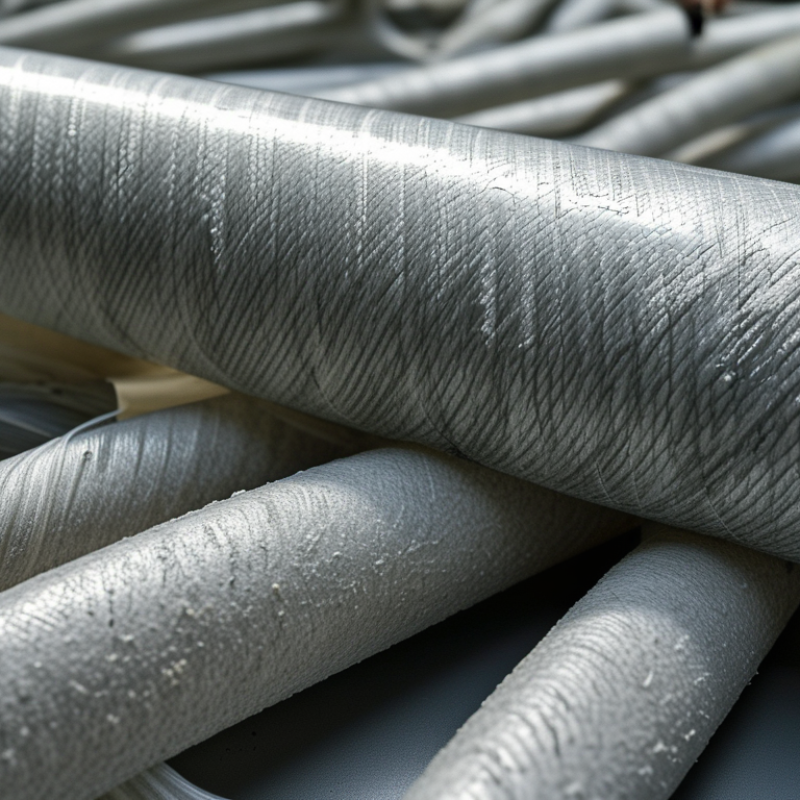
High-quality carbon fiber begins with understanding its type, not judging its shine. Most structural fibers use PAN-based precursors, offering a balanced combination of strength and stiffness. Pitch-based fibers can provide exceptional modulus, but they may behave differently during forming. Standard-modulus, intermediate-modulus, and high-modulus grades serve different engineering needs. More stiffness is not automatically better.
Look beyond the shine. Check the technical data sheet for tensile strength, tensile modulus, elongation, density, and sizing compatibility. ASTM D4018 supports testing of carbon fiber tensile properties, while ASTM D3039 evaluates composite laminates. ISO 10618 also provides guidance for carbon fiber yarn testing. Compare results under similar test conditions. Otherwise, numbers can mislead.
Inspect the material directly when possible. The tow should unwind evenly, without excessive fuzz, broken filaments, oil patches, or uneven width. In a laminate, fiber orientation, resin content, void percentage, and curing quality often matter more than the fiber grade alone. A clean certificate should identify the lot, test method, and production date. That matters.
A glossy weave can hide poor alignment. I have seen visual checks receive too much confidence. That is a mistake worth questioning. Real performance depends on processing discipline, not impressive labels. A practical sample test, dimensional inspection, and documented supplier history provide stronger evidence than appearance alone.
High-quality carbon fiber starts with the fiber grade, not the glossy surface. Standard-modulus fiber suits many structural parts, while intermediate- and high-modulus grades offer greater stiffness but usually demand stricter processing. Compare the supplier’s tensile strength, tensile modulus, elongation, and sizing data with the project specification. The 2024 JEC Observer reported global composites production at roughly 12.5 million tonnes in 2023, showing how widely quality levels can vary across applications. A carbon cloth can look impressive and still be poorly matched to the load.
Study the weave under direct light. Plain weave gives stable handling and a balanced appearance, while twill weave drapes more easily around curves. Look for consistent tow spacing, clean edges, and no broken filaments.
Surface quality matters too. Reject rolls with white patches, oily marks, fuzzy bundles, or trapped moisture. ISO 10618 describes key requirements for carbon-fiber products, but visual inspection remains useful on the workshop floor.
I once trusted a perfect-looking panel and ignored a small resin-rich corner. That mistake caused extra machining and delayed testing.
Check thickness, resin content, and voids through documented inspection methods, not eyesight alone. Some suppliers provide certificate data; verify batch numbers and test conditions before accepting them. Fancy patterns do not prove strength.
High-quality carbon fiber begins with the resin system, not the weave alone. Inspect the resin’s viscosity, toughening method, and intended service temperature. A dry-looking laminate can still hide poor wet-out. Under bright side lighting, look for pale streaks, pinholes, and resin-rich pools. These defects interrupt load transfer between fibers. Ask for batch records, technical data, and test results from the actual production lot. Generic certificates are not enough. They may describe a different material.
Curing deserves close attention. Follow the specified temperature ramp, pressure, and dwell time, then verify them with calibrated sensors. A hot mold surface does not guarantee the part’s core reached temperature. Place thermocouples near thick sections and corners. After curing, measure fiber volume, void content, and glass-transition temperature when performance matters. A simple hardness check can reveal inconsistency, but it cannot replace laboratory testing. I have seen parts that felt rigid yet failed early under repeated bending. That result changed my inspection routine.
Composite structure also controls real-world strength. Check ply orientation, overlap, edge termination, and local reinforcements around holes. Fibers should follow the main load path, while resin-rich corners need careful review. Tap testing can locate suspicious areas, but noise and operator skill affect the result. Ultrasonic inspection is more dependable for critical components. Do not judge quality by shine. A dull panel may perform better than a glossy one. Recheck assumptions. Manufacturing records, cut-section evidence, and repeatable tests provide stronger confidence than appearance.
High-quality carbon fiber is not judged by shine alone. Consistent manufacturing begins with controlled precursor conversion, accurate carbonization, and stable surface treatment. During an audit, inspect tow width, filament alignment, fuzz, and broken strands under direct light. Small defects matter. Uneven filaments may later create weak spots, poor draping, or inconsistent resin flow. Experienced inspectors also compare surface texture between rolls, because visual changes can signal process variation.
Ask for batch-level tensile strength, modulus, density, sizing content, and moisture records. Results should come from calibrated equipment and traceable sampling, not one attractive certificate. Product consistency is easier to verify when rolls carry clear lot numbers, production dates, and processing conditions. Compare samples from the beginning, middle, and end of a roll. Variation can hide there. No inspection is perfect; even careful sampling may miss a local defect. That limitation deserves honest attention.
Tips:
Cut specimens from several positions, then condition them before testing. Record temperature, humidity, and test speed. Check resin pickup by weighing dry and treated fibers. A microscope can reveal uneven sizing, crushed filaments, or contaminated surfaces. Do not rely on feel alone. Keep retained samples from each lot for later comparison. If two batches look similar but perform differently, review curing history and handling records before blaming the material.
Verifying manufacturing quality requires more than visual inspection. Compare the supplier’s certificate of analysis with lot-specific tensile testing, fiber classification, surface condition, sizing compatibility, and consistency between production lots.
The chart shows representative tensile-strength ranges commonly associated with generic carbon-fiber classifications. Actual values depend on precursor, processing conditions, filament count, test method, and sampling. For product verification, request lot-level results tested under recognized methods such as ASTM D4018 or ISO 10618, then check whether the measured values and variation remain consistent with the agreed specification.
2026 Top Tips to Identify High Quality Carbon Fiber
A certificate is not proof of product quality. ISO 9001 confirms a management system, not every carbon-fiber spool. Ask for the certificate scope, expiry date, issuing body, and covered production site. For aerospace-related applications, review AS9100 evidence and lot-level traceability. The certificate should match the actual factory, not only the supplier’s office. Small detail. Often missed.
Request a certificate of analysis for each lot. Check tensile strength, tensile modulus, elongation, tow count, sizing content, moisture, and filament breakage. Require the test method, specimen direction, laboratory identity, and sampling plan. ASTM D4018 supports carbon-fiber tensile testing, but results still depend on specimen preparation. Compare at least three lots. One impressive test can mislead. The U.S. Department of Energy’s carbon-fiber technology assessments identify a five-dollar-per-pound cost target for lower-cost production, showing why unusually cheap material deserves closer inspection. Price alone proves nothing.
Supplier reliability needs evidence beyond polished websites. Review delivery records, corrective-action reports, change-control procedures, and backup precursor sources. The 2024 JEC Observer highlights continued composite demand across transportation, energy, and industrial applications, increasing pressure on stable supply. Ask how the supplier handles resin-system changes or sizing reformulation. I have seen technically strong samples fail during scale-up. That experience changed my view: demand production samples, retain sealed reference material, and repeat testing after any process change. Supplier transparency matters more than impressive language.
: Standard-modulus fiber suits many structural parts. Intermediate- and high-modulus grades provide greater stiffness. More stiffness is not always better.
Review tensile strength, tensile modulus, elongation, density, and sizing compatibility. Compare results under matching test conditions. Otherwise, numbers may mislead.
It should unwind evenly, with consistent width and minimal fuzz. Avoid broken filaments, oily marks, white patches, and trapped moisture.
Yes. Plain weave offers stable handling and balanced structure. Twill weave drapes more easily around curved surfaces. Appearance alone proves little.
It should show the lot number, test method, production date, and test conditions. One attractive certificate is not enough.
Test samples from the beginning, middle, and end of each roll. Record temperature, humidity, and test speed during testing.
Microscopy can reveal uneven sizing, crushed filaments, and contaminated surfaces. Small defects may later affect resin flow and strength.
Fiber alignment, resin content, voids, curing, and handling strongly influence final performance. A good fiber can still produce a poor laminate.
Visual checks are useful, but incomplete. A glossy panel may hide misalignment or a resin-rich corner. I once trusted appearance too much.
Test both batches and review curing and handling records. Similar surfaces can perform differently. That possibility deserves honest attention.
Choosing reliable carbon fiber starts with understanding its type, grade, strength, stiffness, and intended application. To learn how to identify high quality carbon fiber, inspect the fiber grade, weave pattern, alignment, and surface finish. High-quality material should show consistent filaments, uniform texture, minimal gaps, and no visible contamination, fraying, or irregular discoloration. The weave should also match the product’s required balance of strength, flexibility, and appearance.
Quality depends not only on the fiber but also on the resin system, curing process, and overall composite structure. Check whether the resin is evenly distributed, properly cured, and free from bubbles, dry spots, or delamination. Reliable manufacturers should maintain stable production standards and consistent dimensions across batches. Before purchasing, request certifications, test reports, mechanical performance data, traceability records, and quality-control information. A dependable supplier should communicate clearly, provide samples when appropriate, and demonstrate repeatable performance rather than relying only on appearance or price.

RAXIS Fiber