When selecting a carbon fiber sheet, one key question arises: what thickness of carbon fiber sheet should I use? Understanding the specific application of your project plays a crucial role in determining the optimal thickness. According to a report by the Carbon Fiber Reinforced Polymer (CFRP) market analysis, specific thicknesses offer unique benefits for strength, weight, and flexibility. For instance, sheets between 0.5 mm and 2 mm are commonly used in automotive applications, while thicker sheets, up to 5 mm, are favored in aerospace and structural components.
However, choosing the right thickness is not always straightforward. Factors such as load-bearing requirements, environmental conditions, and cost must also be considered. For example, thinner sheets are lightweight but may lack the durability needed for high-stress environments. Conversely, thicker sheets can be bulkier, potentially increasing production costs.
It's important to reflect on these trade-offs. Proper consultation with industry experts can provide clarity and guidance. In this evolving field, remaining informed about advancements in carbon fiber technology will ensure you make the best decision for your needs.
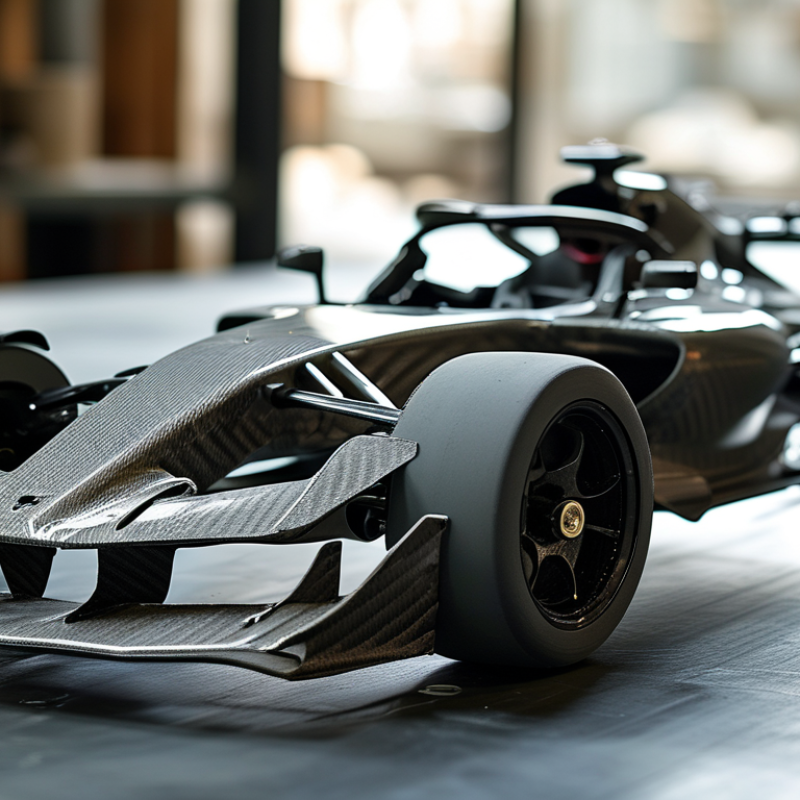
Factors Influencing the Thickness Selection of Carbon Fiber Sheets
Choosing the right thickness of carbon fiber sheets requires careful consideration of several factors. Weight, strength, and flexibility play crucial roles in determining the best thickness for specific applications. According to industry studies, carbon fiber laminates typically range from 0.5 mm to 10 mm. Those in aerospace applications often opt for thinner sheets, around 1 mm, balancing weight savings and structural integrity.
Environmental conditions also impact thickness preferences. For outdoor projects, thicker sheets provide better resistance to UV and moisture. A report by the Composites Manufacturing Association states that sheets over 3 mm show superior durability, while those under 2 mm may not withstand harsh climates. However, thicker materials can increase overall weight, which may not be ideal for all designs.
Moreover, the manufacturing process influences thickness decisions. It’s vital to consider how the material interacts with adhesives and other components. Using thicker sheets can complicate the bonding process, and skilled professionals must assess these risks. Thus, while a thicker carbon fiber sheet may appear advantageous, it is essential to evaluate how each factor aligns with your project needs.
What Thickness of Carbon Fiber Sheet is Best for Your Needs?
| Thickness (mm) |
Weight (kg/m²) |
Flexural Strength (MPa) |
Stiffness (GPa) |
Common Applications |
| 1 |
1.5 |
400 |
70 |
Drones, Sports Equipment |
| 2 |
3.0 |
650 |
80 |
Aerospace Components, Automotive Parts |
| 3 |
4.5 |
800 |
90 |
Bicycle Frames, High-Performance Boats |
| 4 |
6.0 |
1200 |
100 |
Industrial Applications, Motorsport |
Common Applications of Different Thicknesses in Carbon Fiber Sheets
When choosing carbon fiber sheets, thickness is crucial. Different applications require various thicknesses to achieve the desired strength and flexibility. For instance, a thickness of 0.5mm to 1.0mm is often used in automotive parts. These thin sheets provide a balance of lightweight and structural integrity. They are commonly used in brackets and panels where weight saving is essential.
In contrast, thicker sheets, around 2.0mm to 4.0mm, are often ideal for aerospace applications. These sheets must endure higher stress and impact. The added thickness boosts durability while still being lightweight. However, working with thicker sheets can be challenging. Cutting and shaping them require precise tools and techniques. This complexity might lead to some subpar finishes if not handled correctly.
For hobbyists or DIY enthusiasts, sheets with thicknesses of 1.5mm to 2.0mm are popular. They offer flexibility for various projects, from model building to automotive upgrades. However, users may encounter difficulties in layering or bonding thicker materials. Being aware of these challenges can help achieve better results. Understanding the right thickness for specific needs is vital for maximizing the benefits of carbon fiber.
What Thickness of Carbon Fiber Sheet is Best for Your Needs?
Mechanical Properties of Carbon Fiber Based on Thickness Variations
When selecting a carbon fiber sheet, thickness plays a crucial role in determining its mechanical properties. Research has shown that varying thickness can significantly impact tensile strength and stiffness. For instance, thinner sheets, around 0.5 mm, exhibit good flexibility but lower strength. In contrast, thicknesses around 2 mm provide enhanced rigidity and load-bearing capabilities. A recent study indicated that sheets thicker than 3 mm can handle greater impacts without delamination.
Choosing the right thickness depends on the application. For applications that require lightweight structures, a thinner sheet may suffice. However, if you need to endure heavy loads, opt for a thicker sheet. The trade-off between weight and strength is essential to consider based on your specific needs.
When assessing your carbon fiber requirements, prioritize the mechanical properties. Analyze the stress and strain your project will face. For high-impact applications, thicker sheets stand out for their durability. Meanwhile, for cosmetic parts or low-load structures, you might not need the extra bulk. The right thickness will ultimately depend on balancing performance, weight, and flexibility.
Industry Standards for Carbon Fiber Sheet Thickness Measurements
When selecting the thickness of a carbon fiber sheet, understanding industry standards is crucial. Typically, thickness is measured in millimeters or inches. Common options include 0.5 mm, 1 mm, and 3 mm. Each thickness serves different applications, influencing strength and flexibility. A thicker sheet offers greater strength but may sacrifice weight efficiency.
Professionals often recommend considering the specific requirements of a project. For example, lightweight structures might benefit from thinner sheets. However, durability is essential in high-impact areas. The right choice hinges on balancing weight and strength.
It's easy to overlook the impact of surface finish. A smoother finish can improve performance but may add cost. Therefore, it's important to assess project budgets alongside material preferences. Some users may favor aesthetic over functionality, which could lead to unintended compromises. Reflecting on the long-term performance goals is key to making an informed decision.
Comparative Analysis of Weight vs. Strength in Carbon Fiber Sheets
When selecting the right thickness of carbon fiber sheets, weight and strength must be balanced. Carbon fiber excels in its strength-to-weight ratio, making it ideal for applications requiring durability without adding excessive weight. A comparison of data reveals that sheets with a thickness of 2mm offer substantial strength while remaining lightweight. In contrast, thicker sheets, such as those at 5mm, provide enhanced structural integrity but come with increased weight.
It's crucial to consider the application of the sheet. In aerospace applications, for example, maintaining a lower weight can lead to enhanced fuel efficiency. Data indicates that for aerospace parts, a 3mm sheet may be advantageous, striking a balance between rigidity and weight. In automotive sectors, where crash safety is paramount, thicker sheets can be beneficial. However, designers must remember that using thicker materials increases costs and complexity.
Tips for choosing the right thickness include assessing the load requirements of your project and the environment it operates in. Consider that a lighter sheet may suffice for less demanding applications. Regularly evaluate existing designs and material performance. Reflecting on past choices can lead to improved material efficiency in future projects. Ultimately, the right choice depends on the specific demands of your use case.
FAQS
: Weight, strength, flexibility, environmental conditions, and manufacturing processes all play significant roles in thickness selection.
Aerospace applications often use thinner sheets, typically around 1 mm, for balancing weight and structural integrity.
Thicker sheets enhance resistance to UV and moisture, which is crucial for outdoor applications.
Sheets over 3 mm offer superior durability but can add more weight, which may not suit all designs.
Thinner sheets may be flexible but less strong, while thicker sheets provide better rigidity and load-bearing capabilities.
Opt for thicker sheets, as they can handle greater impacts without delamination and increase durability.
Thickness is usually measured in millimeters or inches, with common options including 0.5 mm, 1 mm, and 3 mm.
They may not withstand heavy loads, leading to possible failures in structural integrity.
A smoother finish may enhance performance but at an added cost, affecting project budgets.
Finding the right balance among performance, weight, and flexibility is essential for project success.
Conclusion
When considering what thickness of carbon fiber sheet should I use, several factors come into play. These include the specific application requirements, such as load-bearing capabilities and weight constraints, as well as the desired mechanical properties, which can vary significantly with thickness. Common applications often dictate a range of thicknesses, influencing the choice based on whether strength or lightweight characteristics are prioritized.
Additionally, industry standards provide guidelines on the acceptable thickness measurements, ensuring that selections align with both safety and performance benchmarks. A comparative analysis of weight versus strength reveals that while thicker sheets exhibit greater strength, they also add more weight, which may not be suitable for all uses. Therefore, understanding these nuances is crucial in making an informed decision regarding the optimal thickness of carbon fiber sheets for various applications.

 RAXIS Fiber