Carbon fiber is light, stiff, and remarkably resistant to corrosion. Yet no product lasts forever. The real question is, “what is the lifespan of carbon fiber products,” under normal use? The answer depends on fiber quality, resin systems, manufacturing precision, load cycles, ultraviolet exposure, moisture, heat, and maintenance. A bicycle frame stored indoors may perform safely for decades. A racing component exposed to crashes, sunlight, and repeated stress may need earlier replacement.
This guide examines ten common carbon fiber products, including bicycles, vehicle parts, sporting equipment, tripods, helmets, and industrial components. Each product faces different failure risks. Hidden delamination can develop after a sharp impact, even when the surface looks clean. Tiny cracks around bolts may also grow under repeated loading. Look closely. Do not rely on appearance alone.
Professional inspection usually combines visual checks, manufacturer guidance, and service history. Some industries also use ultrasonic testing, tap testing, or thermography. These methods can reveal internal damage that ordinary cleaning cannot. Still, published lifespan estimates are not guarantees. They often assume controlled conditions that real users do not maintain perfectly. That matters.
We will compare expected service periods, warning signs, maintenance habits, and replacement factors for each product. The evidence is practical, but not absolute. A cautious owner records impacts, avoids unnecessary heat, and follows the maker’s torque limits. When damage is suspected, qualified assessment is safer than guesswork. Carbon fiber can remain strong for years, but careless handling can shorten that life quickly.
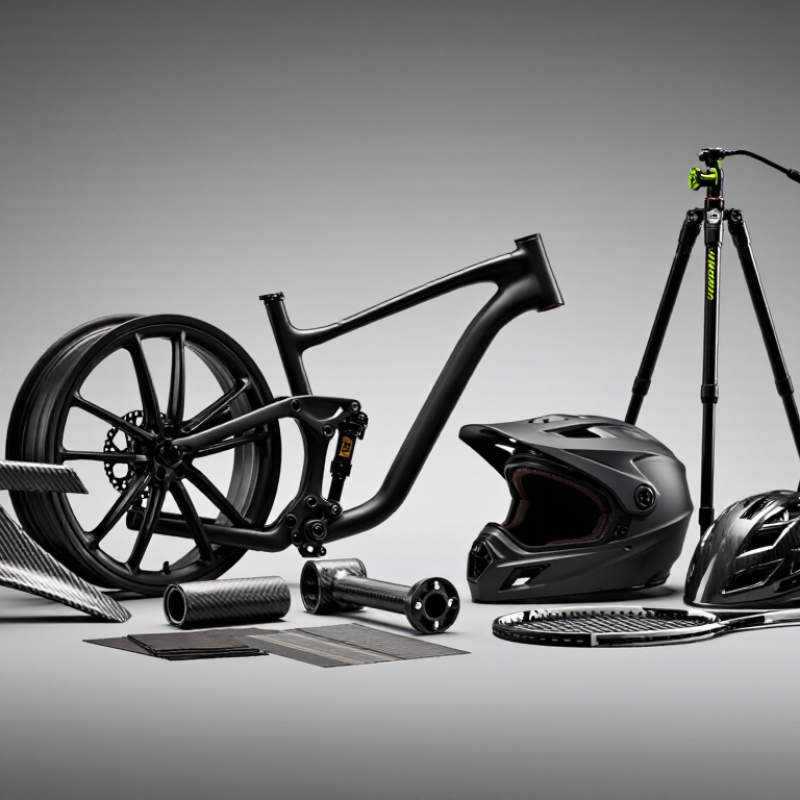
Carbon fiber is made from thin carbon filaments bonded inside a resin matrix. The fibers carry most of the load, while the resin holds their alignment and shields them from moisture. This structure creates excellent stiffness with low weight. Carbon fiber does not have one fixed lifespan. A bicycle frame, vehicle panel, pressure vessel, and wind-turbine blade face very different stresses.
Industry data shows why service life must be judged carefully. The U.S. Federal Aviation Administration’s AC 20-107B requires composite aircraft structures to address fatigue, impact damage, moisture, and temperature effects. The National Renewable Energy Laboratory commonly evaluates wind-turbine blades against roughly 20-year design targets. These figures describe engineering goals, not guarantees. In controlled conditions, some carbon-fiber parts can remain useful for decades. Repeated impacts, ultraviolet exposure, poor bonding, and sudden temperature changes can shorten that period. Resin often ages before the carbon fibers do. That detail is easy to miss.
Tips: Check for cracks, soft spots, whitening, loose hardware, or unusual sounds. Store parts away from heat and direct sunlight. Follow the maker’s inspection schedule, even when the surface looks perfect. Professional ultrasonic or thermographic testing can reveal hidden damage. A visual check is useful, but it is not proof of safety. A careless repair may extend appearance, not service life.
Carbon fiber products do not share one fixed expiration date. Their service life depends on resin quality, impact history, moisture, ultraviolet exposure, and repeated loading. In practical use, carbon-fiber bicycle frames often last 8–15 years, while racing wheels usually last 5–10 years. Fishing rods may serve 5–15 years, and sports racquets commonly remain reliable for 3–8 years. Protective helmets need earlier replacement, often after 3–5 years or any serious impact. Carbon-fiber prosthetic components typically last 3–7 years, depending on body weight and daily activity.
Automotive body panels can remain functional for 10–20 years, provided their mounting points stay undamaged. Composite pressure vessels are commonly designed for about 15–30 years, with inspection intervals set by applicable standards. The U.S. Department of Energy often uses a 15-year target for onboard hydrogen storage systems. Wind-turbine blades generally carry a 20-year design reference under IEC 61400-1:2019, although repairs may extend operation. Aircraft composite structures can exceed 30 years, but FAA AC 20-107B emphasizes inspection and damage tolerance rather than a simple expiry date. That distinction matters. A small delamination under a clear coat may look harmless, yet moisture can travel deeper. I would not trust appearance alone. Drop impacts, unusual creaking, soft spots, and exposed fibers deserve professional assessment, because published service-life ranges are estimates, not promises.
Carbon fiber can last for many years, but its service life depends heavily on daily use. Bicycle frames and rims may endure a decade under careful riding, while drone arms or fishing rods can suffer damage much sooner. Vehicle panels, driveshafts, camera tripods, paddles, and instrument parts also age differently. There is no universal expiration date.
Hard impacts are the greatest concern. A crash, dropped tool, or sharp edge can damage internal fibers without leaving obvious marks. A clean surface can still hide weakness. Regularly inspect high-stress areas, including joints, bolt holes, and mounting points. Look for cracks, soft spots, unusual sounds, or changes in alignment. A simple tap test may help, but it cannot replace professional inspection after a serious impact.
Maintenance should remain gentle and consistent. Clean carbon fiber with mild soap, soft water, and a non-abrasive cloth. Avoid harsh solvents, excessive clamping force, and careless over-tightening. UV exposure can fade coatings and gradually weaken some resin systems, so covered storage is sensible. Salt, moisture, heat, and chemical spills also increase risk, especially in coastal or industrial environments. Temperature matters. Repeated heat cycles may cause small gaps or surface changes. It is tempting to trust carbon fiber because it feels rigid. That confidence can be misplaced. Follow the manufacturer’s inspection guidance, record unusual events, and replace parts when damage cannot be confidently assessed.
| No. | Carbon Fiber Product | Typical Service Life* | Main Durability Factors | Recommended Maintenance | Common Replacement or Inspection Triggers |
|---|---|---|---|---|---|
| 1 | Road or Gravel Bicycle Frame | 8–15+ years | Impact history, crash loads, fatigue from repeated riding, ultraviolet exposure, moisture ingress, and the condition of bonded joints. | Clean with mild soap and water, inspect after crashes or heavy impacts, use a torque wrench on fasteners, and store away from prolonged heat and direct sunlight. | Visible cracks, crushed fibers, delamination, unusual creaking, soft spots, or alignment changes. A qualified technician should assess suspected structural damage. |
| 2 | Automotive Body Panel or Hood | 10–20+ years | Road impacts, vibration, temperature cycling, ultraviolet radiation, water exposure, paint or clear-coat condition, and attachment-point stress. | Wash regularly, repair damaged coatings, avoid harsh abrasive cleaners, inspect mounting points, and prevent trapped moisture around fasteners and bonded areas. | Cracking around mounts, delamination, impact damage, severe coating failure, or movement and noise caused by weakened attachment points. |
| 3 | Motorsport Monocoque or Structural Chassis | 5–15 years | High cyclic loading, collisions, heat from engines and exhaust systems, vibration, repair quality, and the number of competition events. | Perform documented pre- and post-event inspections, use non-destructive testing when appropriate, protect against heat, and have structural repairs completed by specialists. | Any collision, visible fiber breakage, delamination, stiffness changes, buckling, or nonconforming repair. Competition regulations may require earlier replacement. |
| 4 | Wind Turbine Blade | 20–30 years | Fatigue cycles, lightning, hail, leading-edge erosion, moisture, salt spray, ultraviolet exposure, and extreme wind loading. | Follow scheduled visual and non-destructive inspections, repair leading-edge erosion, check lightning protection, control moisture, and record all repairs. | Deep cracks, exposed fibers, large delaminated areas, lightning damage, severe erosion, imbalance, or loss of aerodynamic performance. |
| 5 | Composite Pressure Vessel | 15–30 years | Pressure cycles, temperature, ultraviolet exposure, chemical compatibility, impact damage, liner condition, and compliance with the applicable certification standard. | Use only within the specified pressure and temperature limits, protect from impact and chemicals, keep inspection records, and follow the required periodic inspection schedule. | Expired certified service life, deep abrasion, cuts, burns, bulges, leakage, exposed fibers, or damage near valves and fittings. Do not repair or reuse without authorized assessment. |
| 6 | Marine Mast or Sailboat Component | 15–30 years | Saltwater, ultraviolet radiation, cyclic bending, rigging loads, fittings, galvanic corrosion of nearby metals, and water intrusion. | Rinse with fresh water, inspect fittings and bonded joints, renew protective coatings, isolate dissimilar metals, and check for moisture and hidden delamination. | Compression damage, cracking around fittings, fiber exposure, rigging deformation, widespread blistering, or unexplained changes in mast or boom stiffness. |
| 7 | Industrial Robotic Arm or Machine Component | 10–20 years | Repeated acceleration, vibration, bearing loads, concentrated fastener stress, chemicals, operating temperature, and collision events. | Maintain bearings and joints, keep fasteners at the specified torque, inspect high-load areas, clean chemical spills promptly, and monitor vibration and positioning accuracy. | Increasing vibration, reduced positioning accuracy, joint looseness, cracking near inserts, delamination, or damage from a collision or overload. |
| 8 | Carbon Fiber Prosthetic or Orthotic Component | 2–5 years | User weight and activity level, repetitive loading, moisture, sweat, impact, fit, temperature, and the condition of attachment hardware. | Clean and dry as directed, inspect daily for damage, avoid unauthorized drilling or modification, replace worn hardware, and obtain regular professional evaluations. | Fraying, cracks, changes in stiffness, unusual noise, discomfort, looseness, damaged connectors, or any sudden change in performance. |
| 9 | Carbon Fiber Sporting Equipment | 5–15 years | Sport type, impact frequency, load cycles, storage temperature, ultraviolet exposure, sweat or chemicals, and improper clamping or fastening. | Inspect before use, clean with non-abrasive products, store in a protective case, avoid excessive heat, and follow the manufacturer’s torque and use limits. | Cracks, dents, delamination, splintering, unusual flexibility, or damage caused by a fall, collision, over-tightened clamp, or high-temperature exposure. |
| 10 | Carbon Fiber Reinforced Building Component | 25–50+ years | Structural load cycles, moisture, freeze-thaw exposure, alkaline or chemical environments, ultraviolet exposure, fire or heat, and installation quality. | Protect the composite from prolonged moisture and ultraviolet exposure, inspect bonded interfaces, control drainage, document repairs, and conduct periodic structural assessments. | Debonding, blistering, exposed or broken fibers, fire damage, extensive cracking in the substrate, corrosion of adjacent hardware, or loss of structural capacity. |
| Important: These are typical service-life ranges for properly designed, manufactured, installed, and maintained products. Carbon fiber itself does not rust, but the surrounding resin, coatings, adhesives, metal fittings, liners, and bonded joints can degrade. Any product that has experienced a major impact, fire, overload, or suspected delamination should be professionally inspected before further use. | |||||
Carbon fiber can remain strong for decades, but its surrounding resin may age earlier. Heat, moisture, ultraviolet exposure, chemicals, and repeated loading gradually weaken the structure. FAA Advisory Circular AC 20-107B identifies impact damage, delamination, moisture, and environmental degradation as major inspection concerns.
Watch for pale areas, surface cracks, soft spots, raised edges, or a dull resin finish. A sharp tap may sound different over a damaged zone. That change is useful, but not conclusive. Delamination can hide beneath an apparently clean surface. ASTM D5229 uses controlled moisture and temperature conditioning to measure water absorption in composites. Its results compare material behavior; they do not predict an exact service lifetime.
Tiny impacts matter.
A dropped tool can create internal damage without leaving a clear mark. In practical inspections, I would record the impact location, temperature, load history, and visible change. A 2023 Composite Materials Handbook-17 guidance update also emphasizes inspection methods matched to damage type, including ultrasonic testing for hidden delamination. This is where casual judgment often fails. If a panel feels flexible, creaks under normal load, or shows growing cracks, stop stressing it and request qualified assessment.
Tips: Keep carbon fiber away from prolonged heat, standing water, and harsh solvents. Store parts supported, not bent against a sharp edge. Photograph small changes with a ruler beside them. Recheck after heavy impact or unusual vibration. Gloss can deceive. Data beats confidence.
Typical service-life estimates by product category. Actual durability depends on load cycles, impact, moisture, ultraviolet exposure, temperature, manufacturing quality, inspection, and maintenance.
Typical service-life range
The bars show the midpoint of the commonly reported service-life range for each application; the full range is available by hovering over a bar.
Service-life ranges are indicative engineering estimates rather than guarantees. Safety-critical carbon fiber structures should be assessed by a qualified inspector after severe impact, overload, fire, or suspected delamination.
Carbon fiber products can remain reliable for many years when their structure and resin surface receive proper care. Working life depends on load cycles, sunlight, moisture, heat, and impact history. In workshop inspections, small scratches often appear harmless, yet deeper damage may hide beneath the clear coating. Inspect it often.
Look for whitening, soft spots, delamination, loose fasteners, or unusual creaking. Run a clean fingertip over the surface, but do not press damaged areas. Clean carbon parts with mild soap, water, and a soft cloth. Harsh solvents can weaken finishes or leave tiny cracks easier to miss. Dry every joint, drain hole, and clamp area completely. Moisture trapped around fittings can create long-term problems.
Avoid excessive heat, including direct sunlight inside a closed vehicle. Store products away from sharp tools, heavy objects, and repeated pressure points. Use the correct torque when tightening bolts, and follow the product’s service instructions rather than guessing. A calibrated torque wrench is worth using. It prevents hidden crushing damage.
After a crash, drop, or heavy impact, stop using the product until a qualified technician examines it. Carbon fiber can fail without obvious dents. I have also seen owners replace parts too early because of surface marks. That caution is understandable, but inspection gives better evidence. Keep simple records of cleaning, impacts, and repairs. Small habits matter. Forgiving neglect is not one of carbon fiber’s strengths.
Service life varies by product, resin quality, sunlight, moisture, impacts, and repeated loading. Bicycle frames may last 8–15 years. Racing wheels often last 5–10 years.
Fishing rods may serve 5–15 years. Sports racquets commonly remain reliable for 3–8 years. Daily use and hard impacts can shorten these estimates.
Replace it after a serious impact, even without visible damage. Many helmets need replacement after about 3–5 years. Appearance alone is not enough.
They may function for 10–20 years when mounting points remain undamaged. Check cracks, loose fittings, and unusual movement around attached areas.
Composite pressure vessels are commonly designed for about 15–30 years. Wind-turbine blades often use a 20-year design reference. Inspections and repairs can change actual operating life.
Watch for whitening, soft spots, delamination, loose fasteners, exposed fibers, or unusual creaking. Small cracks can hide under clear coating. That is easy to underestimate.
Use mild soap, water, and a soft cloth. Dry joints, drain holes, and clamp areas completely. Store products away from sharp tools, heavy objects, direct heat, and repeated pressure points.
Stop using it until a qualified technician examines it. Carbon fiber can fail without a clear dent. I might replace a part too early, but professional inspection provides better evidence.
Yes, regular inspection and correct handling can help. Use the specified bolt torque, preferably with a calibrated torque wrench. Keep simple records of impacts, cleaning, and repairs. Small habits matter.
Carbon fiber is a lightweight, strong composite made from carbon filaments bonded with resin. Its service life depends on fiber quality, resin performance, manufacturing standards, design, and the conditions in which it is used. So, what is the lifespan of carbon fiber products? There is no single answer: bicycles, vehicle components, sporting equipment, structural parts, tools, and other products may last from several years to decades when properly designed and maintained.
Usage, impact, ultraviolet exposure, moisture, heat, chemicals, and repeated stress can all affect durability. Regular cleaning, careful storage, proper load limits, and timely inspections can help extend working life. Warning signs include cracks, delamination, unusual softness, surface separation, discoloration, or changes in shape and performance. Any product showing serious damage should be removed from service and assessed by a qualified professional. With appropriate care and a suitable environment, carbon fiber products can remain reliable and functional for many years.

RAXIS Fiber