How to Choose Carbon Fiber for Aerospace Applications?

Time:2026-06-10 Author:Mason
0%

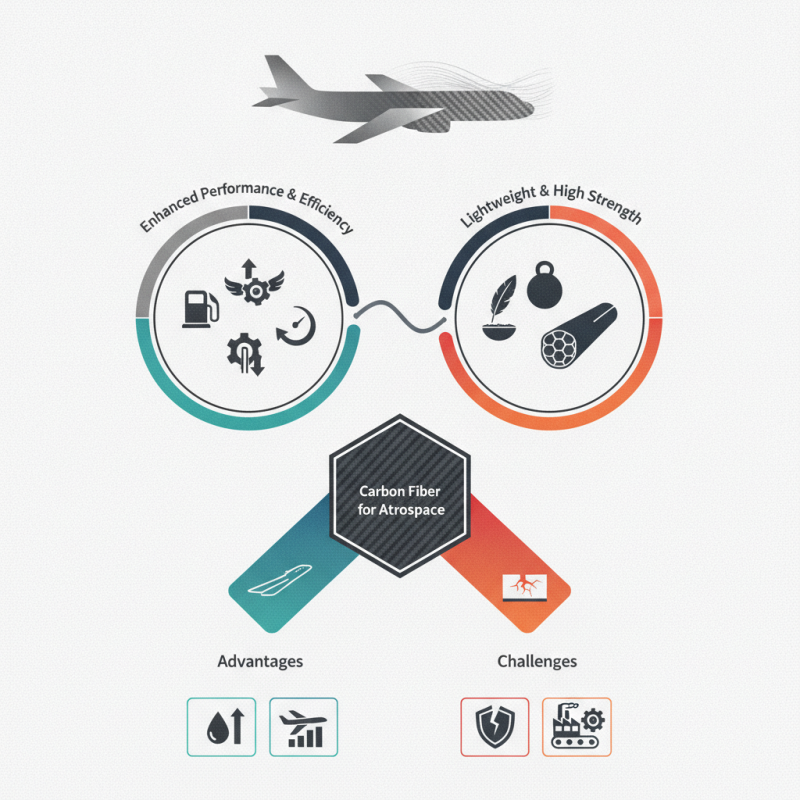
Carbon fiber has transformed the aerospace industry significantly. Its unique properties contribute to enhanced performance and efficiency. Understanding what makes carbon fiber suitable for aerospace applications is essential for engineers and designers alike.

The lightweight nature of carbon fiber reduces the overall weight of aircraft. This leads to improved fuel efficiency. Additionally, its high strength-to-weight ratio allows for innovative designs. However, the choice of carbon fiber involves complex considerations, including cost and manufacturing processes.

While carbon fiber offers many advantages, there are challenges that need reflection. For instance, its brittleness can be a drawback in certain conditions. Manufacturers must also ensure proper handling during production. Thus, a thoughtful approach is necessary to harness carbon fiber’s full potential in aerospace applications.
How to Choose Carbon Fiber for Aerospace Applications?

Understanding Carbon Fiber Properties in Aerospace Design

Carbon fiber has unique properties that make it ideal for aerospace applications. Its high strength-to-weight ratio is crucial. Aerospace components need to be lightweight yet strong. This property enables better fuel efficiency and performance.

Understanding tensile strength and modulus is essential. Tensile strength measures how much force carbon fiber can handle. A higher modulus means the material is stiffer. These characteristics influence material selection for different airplane parts. Wings and fuselages benefit from stiff, strong materials.

Manufacturing processes also impact the properties of carbon fiber. Variations in the curing process can lead to inconsistencies. These inconsistencies may affect the material's performance. Engineers must consider the production methods carefully. They must ensure quality and reliability in every component. Balancing these factors is crucial for optimal aerospace design.

Comparing Different Types of Carbon Fiber for Aerospace Use

When selecting carbon fiber for aerospace applications, it's essential to understand the different types available. Each kind has distinct properties suited for specific needs. For instance, woven carbon fibers offer excellent strength-to-weight ratios. They can bear significant loads with minimal weight, making them ideal for aircraft structures.

Research from the European Aviation Safety Agency reveals that the use of carbon fiber reinforces the safety and efficiency of aircraft. However, certain types may perform poorly under high temperatures. This limitation can affect the material's long-term viability in aerospace applications. Engineers need to assess whether high-temperature resistance is necessary for their projects.

Additionally, unidirectional carbon fibers have impressive tensile strength. They are commonly used in high-stress areas of an aircraft. A report by the Aerospace Industries Association mentions that using these fibers has led to a 20% reduction in weight in some designs. Despite their advantages, the cost of high-quality carbon fibers can be a barrier for some manufacturers. Balancing performance with budget constraints requires careful consideration.

As technology advances, new carbon fiber innovations may offer solutions to these challenges.

Evaluating the Manufacturing Processes for Aerospace Carbon Fiber

When selecting carbon fiber for aerospace applications, the manufacturing process plays a significant role. Different methods like prepreg, woven fabrics, and resin-infused composites have unique characteristics that suit various needs. Prepreg processes provide consistent quality and durability. However, they can be more expensive and time-consuming.

Woven carbon fiber fabrics offer flexibility but may lack the structural integrity required for certain aerospace parts. This trade-off means manufacturers must carefully weigh cost against performance. Additionally, resin infusion is efficient for large components but may introduce variability in the final product. Each process presents challenges and opportunities that require thoughtful consideration.

Quality control is paramount in aerospace. Even minor defects can lead to significant failures. The choice of manufacturing technique affects the final material’s performance. Understanding each process deeply can guide engineers in making the right decision. However, manufacturers should remain open to re-evaluating their choices as technologies evolve. Continuous learning and adaptation are essential in this rapidly advancing field.

Carbon Fiber Manufacturing Processes Evaluation for Aerospace Applications

Assessing Environmental and Regulatory Considerations in Selection

When selecting carbon fiber for aerospace applications, it's crucial to consider environmental and regulatory factors. The aerospace industry faces strict regulations regarding materials used in aircraft. Compliance with these laws ensures safety and reliability. Each region may have different requirements. Understanding these specifications is essential for manufacturers.

**Tips:** Always stay informed about local regulations. Join industry forums for updates. Engage with experts to better grasp compliance issues.

Additionally, the environmental impact of carbon fiber production must be assessed. Carbon fiber can have significant effects on ecosystems. Evaluating the entire lifecycle is necessary. This includes raw material sourcing and end-of-life disposal. The choices made today affect future generations.

**Tips:** Consider sourcing from manufacturers with a focus on sustainability. Look for certifications that demonstrate environmental responsibility. Research alternative materials that may be less harmful.

Selecting carbon fiber involves more than technical performance. Balancing regulatory compliance with environmental considerations drives innovation. Engaging in these discussions can lead to better choices and advanced materials suitable for aerospace.

How to Choose Carbon Fiber for Aerospace Applications? - Assessing Environmental and Regulatory Considerations in Selection

Criteria Considerations Environmental Impact Regulatory Compliance
Material Type Standard Carbon Fiber vs. Bio-based Carbon Fiber Lower ecological footprint of bio-based options Compliant with new bio-material regulations
Manufacturing Process Filament Winding vs. Prepreg Layup Energy consumption and waste generation Must adhere to ISO 14001 standards
Recycle Potential Recyclable vs. Non-recyclable Carbon Fiber Impact on landfill and resource recovery Regulations encourage recycling initiatives
Life Cycle Assessment Full life cycle evaluation of materials Environmental costs throughout the life cycle Needs documentation for compliance audits
Supplier Certification Certified materials from approved sources Reduction in hazardous substances used Must meet FAA and EPA standards

Cost Analysis and Economic Factors in Choosing Carbon Fiber Materials

When considering carbon fiber for aerospace applications, cost analysis plays a crucial role. The initial expense of carbon fiber can be significantly higher than traditional materials. This factor alone can discourage some manufacturers. However, the long-term benefits often outweigh upfront costs. Carbon fiber's lightweight nature can reduce fuel consumption over time. This translates to operational savings that are hard to ignore.

Economic factors must be carefully evaluated. The price volatility of raw materials affects cost stability. Market conditions can lead to fluctuating prices, impacting project budgets. Manufacturers need to forecast potential cost changes related to supply and demand. Collaborating with suppliers to negotiate terms can help in managing expenses effectively. Quality assurance and material performance should not be overlooked; cheaper does not always mean better.

In some cases, the benefits of durability might justify the investment. However, companies must be cautious. Overlooking maintenance costs or the lifespan of components can lead to unforeseen expenses. The balance between cost, performance, and reliability is not straightforward. Companies need to assess their specific needs and potential returns on investment. Ultimately, a comprehensive cost-benefit analysis is essential for sustainable decision-making in carbon fiber applications.

FAQS

: What types of carbon fiber are used in aerospace applications?

: There are two main types: woven carbon fibers and unidirectional carbon fibers. Each type has unique properties.

Why are woven carbon fibers preferred for aircraft structures?

Woven carbon fibers offer excellent strength-to-weight ratios. They can support heavy loads while remaining lightweight.

What is the main limitation of some carbon fiber types?

Certain types may struggle under high temperatures. This can affect their long-term viability in aerospace use.

How do unidirectional carbon fibers benefit aircraft design?

Unidirectional carbon fibers have great tensile strength. They are often used in high-stress areas of aircraft.

How can costs impact the use of carbon fiber in aerospace?

The upfront cost of carbon fiber is typically higher than traditional materials, which can deter some manufacturers.

What are the long-term benefits of using carbon fiber despite its cost?

Carbon fiber's lightweight feature can lead to lower fuel costs over time, resulting in operational savings.

How can market conditions influence the cost of carbon fiber?

Price volatility in raw materials can affect project budgets and cost stability for manufacturers.

Why should manufacturers be cautious about low-cost carbon fibers?

Cheaper options may compromise quality. It’s crucial to consider durability and performance in the decision-making process.

What should companies evaluate to make informed decisions on carbon fiber use?

Companies need to balance cost, performance, and reliability. A comprehensive cost-benefit analysis is vital.

How can collaboration with suppliers help manage carbon fiber costs?

Negotiating terms with suppliers can stabilize expenses and help manage economic fluctuations effectively.

Conclusion

The article "How to Choose Carbon Fiber for Aerospace Applications?" offers a comprehensive guide for selecting carbon fiber materials tailored for the aerospace industry. It begins by exploring the fundamental properties of carbon fiber that contribute to its suitability for aerospace applications, such as high strength-to-weight ratios, durability, and resistance to environmental factors. The comparison of different types of carbon fiber emphasizes their varying performance characteristics, allowing engineers to make informed choices based on specific project requirements.

Additionally, the article evaluates the manufacturing processes of aerospace-grade carbon fiber, highlighting their influence on material quality and performance. It also discusses environmental and regulatory considerations impacting selection, ensuring compliance with industry standards. Lastly, a cost analysis provides insights into economic factors that affect decision-making in carbon fiber selection. Overall, the exploration of these elements clarifies what makes carbon fiber suitable for aerospace applications, thus guiding professionals in their material choices.

Mason

Mason

Mason is a seasoned marketing professional with a deep expertise in the company's offerings and a passion for driving brand awareness. With a strong background in digital marketing strategies, he has an innate ability to connect with diverse audiences and effectively communicate product benefits.......