Why Choose the Right Carbon Fiber Tubes for Structural Use?

Time:2026-06-19 Author:Ethan
0%

When considering structural applications, the choice of materials is crucial. Carbon fiber tubes are known for their excellent strength-to-weight ratio. However, selecting the right carbon fiber tubes for structural use involves careful evaluation.

It's essential to understand how to choose carbon fiber tubes for structural use based on specific needs. Different projects may require varied mechanical properties and dimensions. Misunderstanding these aspects can lead to poor performance or failure.

Additionally, experts recommend assessing factors such as load capacity, durability, and environmental resistance. Awareness of these criteria helps ensure that the selected tubes meet the project's demands. Ultimately, being mindful of these details can lead to more efficient and reliable structures. Consideration of such elements ultimately reflects the knowledge and authority in making informed decisions.
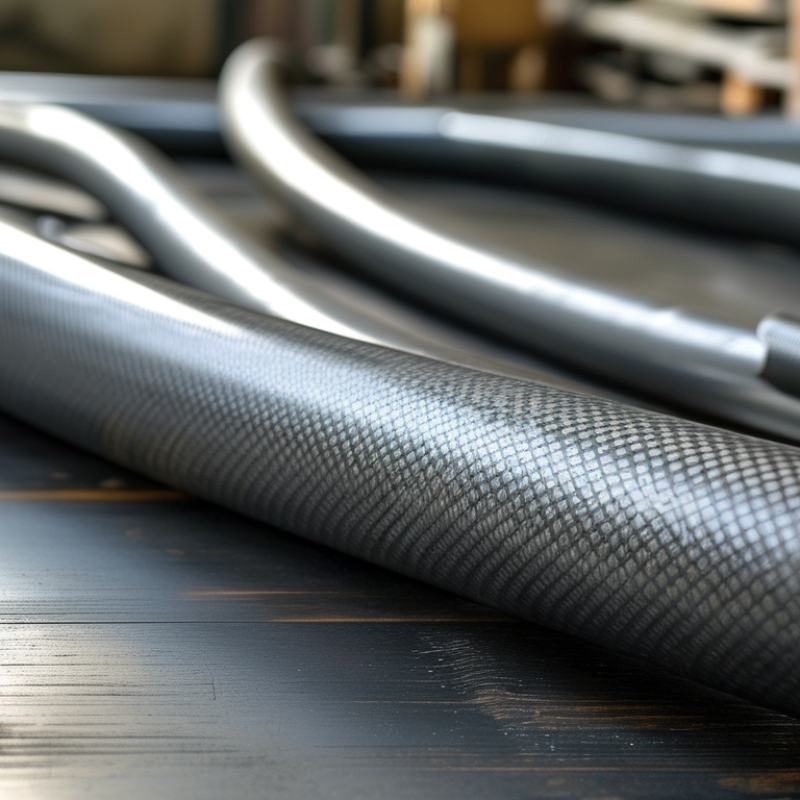
Why Choose the Right Carbon Fiber Tubes for Structural Use?

Understanding Carbon Fiber and Its Structural Benefits

Carbon fiber has revolutionized many industries due to its unique properties. It is lightweight yet incredibly strong. This balance makes it ideal for structural applications. Engineers often prefer carbon fiber for projects requiring durability and performance. It provides a high strength-to-weight ratio, making it suitable for various constructions. Additionally, carbon fiber is resistant to corrosion, which enhances longevity.

Understanding how carbon fiber works is essential. Its composite structure allows for flexibility in design. Many artisans and designers emphasize its customizability. Despite the benefits, imperfections can arise in the manufacturing process. Small defects in the weave may lead to vulnerabilities. Hence, quality control is crucial. Proper selection and testing can help mitigate such risks.

The cost can also be a concern. Carbon fiber tubes are pricier than traditional materials. However, their long-term performance can justify the investment. It’s vital to weigh the upfront expense against potential savings on maintenance and replacements. Making informed choices about carbon fiber can significantly impact the success of a project. Being mindful of both its strengths and weaknesses will lead to more reliable outcomes.

Key Factors to Consider When Selecting Carbon Fiber Tubes

When selecting carbon fiber tubes for structural use, several key factors demand attention. First, consider the strength-to-weight ratio. This aspect significantly influences the performance of your structure. Carbon fiber offers exceptional strength while being lightweight. However, mismatches in strength requirements can lead to structural failures.

Another vital aspect is the manufacturing process. Different processes can lead to variations in quality and performance. It's essential to understand how the tubes are made, as this directly affects their durability and reliability. Choosing tubes made with advanced techniques can mitigate risks associated with weak points.

**Tips:** Always request test reports. This helps validate the quality of the carbon fiber tubes. During your selection, look for certifications and industry standards. Also, consider the environmental conditions the tubes will face. Their resistance to moisture and UV exposure is crucial for long-term performance.

Lastly, you should think about custom solutions. Off-the-shelf products may not meet all structural needs. Exploring tailored designs may lead to better integration. Remember, proper installation and handling also play a significant role in the overall integrity of the structure.

Comparison of Key Properties of Carbon Fiber Tubes for Structural Use

Applications of Carbon Fiber Tubes in Various Industries

Carbon fiber tubes are becoming essential in various industries due to their unique properties. Industries like aerospace, automotive, and sports equipment benefit significantly from their lightweight strength. According to a report by Research and Markets, the global carbon fiber market is expected to grow at a CAGR of 10.4% through 2025. This trend highlights the increasing reliance on carbon fiber tubes for structural applications.

In the aerospace sector, carbon fiber tubes enhance fuel efficiency. Aircraft manufacturers use these materials to reduce weight without compromising strength. For instance, a reduction of just 1% in aircraft weight can yield a 5% improvement in fuel efficiency. Meanwhile, the automotive industry sees similar benefits. The adoption of carbon fiber tubes in car chassis and components helps reduce overall vehicle weight, improving performance and fuel economy.

Even in the sporting goods sector, carbon fiber tubes play a pivotal role. High-performance bicycles, for example, often utilize these tubes, contributing to a weight reduction of up to 30%. However, the cost of carbon fiber remains a concern, making affordability a crucial factor for wider adoption. As industries continue to innovate, addressing these challenges will be vital for the future growth of carbon fiber applications.

Comparing Carbon Fiber Tubes with Other Materials for Structure

Carbon fiber tubes have become a popular choice for structural applications. Their strength-to-weight ratio is impressive, often exceeding that of aluminum and steel. According to a study by the Composite Materials Handbook, carbon fiber can be up to five times stronger than steel while being significantly lighter. This makes it ideal for aerospace, automotive, and sporting goods industries.

However, carbon fiber is not without its challenges. The manufacturing process can be costly and time-consuming. While it offers excellent tensile strength, it can be brittle under certain conditions. A report from the American Composites Manufacturers Association mentions that, when compared with fiberglass, carbon fiber is more expensive and has a steeper learning curve for manufacturers. Yet, the investment can lead to superior performance and durability long-term.

When evaluating material choices, consider specific project needs. Carbon fiber excels in environments where low weight is critical. Alternatives like aluminum and steel may be suitable for applications where cost is a priority. Ultimately, the decision often hinges on balancing performance benefits against budget constraints and manufacturing capabilities.

Maintenance and Care for Longevity of Carbon Fiber Structures

Maintaining carbon fiber structures is crucial for ensuring their longevity. Regular inspection is essential. Check for visible signs of wear, such as scratches or dents. These indicators can signal deeper issues. Proper care can extend the lifespan of carbon fiber tubes significantly.

Cleaning the carbon fiber components is equally important. Use a soft cloth and mild soap solution. Avoid abrasive cleaners that can scratch the surface. After cleaning, let the tubes air dry. Excess moisture can lead to degradation over time. Though carbon fiber is robust, environmental factors still affect its integrity.

Storage conditions also impact durability. Keep carbon fiber tubes in a cool, dry place. Humidity and temperature fluctuations can weaken the material. Many users overlook these factors. Simple steps in maintenance can prevent costly repairs down the line. Respecting these details makes a noticeable difference.

FAQS

: What makes carbon fiber an attractive material for various industries?

: Carbon fiber is lightweight, strong, and resistant to corrosion. This combination makes it ideal for structural applications.

Why is quality control important in carbon fiber manufacturing?

Imperfections in the weave can cause vulnerabilities. Proper quality control minimizes these risks and ensures reliable products.

How does carbon fiber compare to traditional materials like aluminum and steel?

Carbon fiber offers a higher strength-to-weight ratio. It can be up to five times stronger than steel but is often more expensive.

What are the cost considerations when using carbon fiber?

Carbon fiber tubes can be pricey upfront. However, their long-term performance could justify the investment in many cases.

In which industries is carbon fiber tube usage growing?

Industries such as aerospace, automotive, and sporting goods are increasingly utilizing carbon fiber for its lightweight strength.

What are some performance benefits of carbon fiber in aerospace applications?

Carbon fiber enhances fuel efficiency by reducing aircraft weight. A 1% weight reduction can improve fuel efficiency by 5%.

Are there challenges associated with carbon fiber?

Yes, the manufacturing cost is high. Additionally, carbon fiber can be brittle under certain conditions, requiring careful design.

How does the adaptability of carbon fiber benefit designers?

Its composite structure allows for flexibility in design. This customizability attracts many artisans and engineers.

What weight reductions are achievable with carbon fiber in sports equipment?

High-performance bicycles using carbon fiber can achieve weight reductions of up to 30%, enhancing performance.

What factors should be considered when choosing materials for a project?

Evaluate specific project needs, cost constraints, and manufacturing capabilities. Balance performance benefits with budget realities.

Conclusion

Choosing the right carbon fiber tubes for structural use is crucial for maximizing performance and durability in various applications. Understanding the inherent benefits of carbon fiber, such as its high strength-to-weight ratio and resistance to fatigue, is essential. Key factors to consider when selecting carbon fiber tubes include the specific loading conditions, environmental exposure, and required stiffness.

Applications of carbon fiber tubes span multiple industries, from aerospace to automotive, where their lightweight and robust characteristics provide significant advantages. When comparing carbon fiber tubes with other materials like aluminum or steel, carbon fiber often emerges as the superior choice for structural integrity. Proper maintenance and care are also vital to ensuring the longevity of structures made from carbon fiber, emphasizing the importance of knowing how to choose carbon fiber tubes for structural use effectively.

Ethan

Ethan

Ethan is a seasoned marketing professional with a deep expertise in our company's innovative product line. With a passion for sharing knowledge and insights, he takes the lead in regularly updating our corporate blog, where he explores industry trends, product features, and effective marketing......