The demand for carbon fiber products is on the rise globally, drawing attention to their durability. Industry expert Dr. Emily Carter, a materials scientist, stated, "The longevity of carbon fiber often exceeds expectations, yet real-world testing is essential." This highlights an interesting paradox. While manufacturers promote the toughness of carbon fiber, actual performance can vary based on conditions and usage.
Many consumers wonder, "how durable are carbon fiber products?" The answer isn't straightforward. Carbon fiber is known for its exceptional strength-to-weight ratio. However, factors like temperature, pressure, and environmental conditions can influence its lifespan. Buyers should consider that not all carbon fiber products are created equal. Variations in quality impact durability significantly.
Investing in carbon fiber requires informed decisions. While the material shows promise for longevity, users must remain aware of potential limitations. To truly assess this material’s durability, practical experiences and industry feedback are invaluable. Exploring these insights will lead to a more nuanced understanding of carbon fiber's long-term performance in various applications.
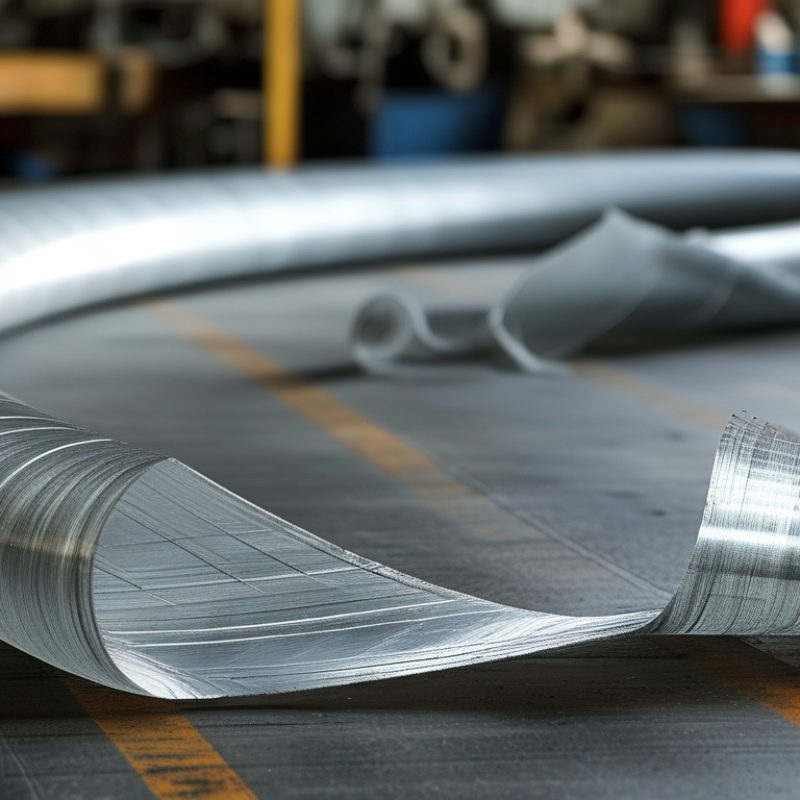
Carbon fiber is a composite material renowned for its unique properties. Its structure consists of thin strands of carbon atoms. These strands are woven together, creating a fabric that is both strong and lightweight. The carbon atoms are tightly bonded, providing high tensile strength. This makes carbon fiber products resistant to deformation under stress.
The material is also known for being resistant to corrosion. Unlike metals, carbon fiber does not rust or corrode, making it ideal for various applications. However, its durability can vary based on manufacturing processes. Inconsistent quality control can lead to weak spots. Buyers should consider the source and manufacturing standards of carbon fiber products. Some items may look appealing but lack the necessary strength.
Carbon fiber is not without flaws. It can be brittle, leading to sudden failures without warning. Repairing carbon fiber is often more complex than other materials. These factors require buyers to research thoroughly. Understanding the intricacies of carbon fiber helps make informed choices. Always weigh benefits against potential drawbacks.
: Carbon fiber consists of thin strands of carbon atoms woven together. This structure contributes to its strength and lightweight nature.
Carbon fiber does not rust or corrode like metals, making it suitable for various applications. However, manufacturing quality can affect durability.
Carbon fiber can be brittle and may fail suddenly. Repairs can be more complex compared to traditional materials.
UV exposure can degrade carbon fiber, leading to strength loss. Proper UV protection is crucial for longevity.
Repeated impacts can cause micro-cracks in carbon fiber. Regular inspections are necessary in high-stress environments.
Store items away from sunlight and inspect them regularly for signs of damage. Early detection helps prevent issues.
Inconsistent production processes can lead to durability variations. Even high-quality materials may fail if not processed correctly.
Repairing carbon fiber can be complex compared to metals. Understanding potential repair challenges is essential before purchase.
Aerospace and automotive industries utilize carbon fiber due to its lightweight and strong properties but require careful handling.
Ignoring minor damages in carbon fiber items can lead to larger issues over time. Early intervention is key to maintaining performance.
The article "How Durable Are Carbon Fiber Products for Global Buyers?" delves into the unique composition and properties of carbon fiber, highlighting its lightweight yet strong characteristics. It examines various durability factors that influence the longevity of carbon fiber products, such as environmental conditions and maintenance practices. A comparative analysis with other materials underscores the exceptional resilience and performance of carbon fiber, making it a preferred choice in many applications.
Testing carbon fiber's durability in different environments is crucial to understanding its real-world applications, as demonstrated by various case studies. These examples illustrate how durable are carbon fiber products across numerous industries, showcasing their capability to withstand stress and wear over time. Overall, the article presents a comprehensive look at the durability of carbon fiber, making it an appealing material for global buyers seeking high-performance solutions.

 RAXIS Fiber