How Heat Resistant Is Carbon Fiber 5 Essential Tips for Buyers?

Time:2026-05-11 Author:Liam
0%

When considering carbon fiber for various applications, understanding "how heat resistant is carbon fiber" becomes critical. This material is celebrated for its strength and lightweight properties. Yet, its performance under high temperatures raises important questions. Carbon fiber is not immune to heat; it can degrade under extreme conditions.

Different grades of carbon fiber respond differently to heat. For instance, standard carbon fibers can withstand temperatures up to 150°C. Beyond that, their structural integrity may begin to compromise. Buyers must account for the intended use of the product. Will it face high temperatures, or will it be in a more controlled environment? Knowing these details guides an informed purchase.

As we explore essential tips for buyers, it's important to reflect on the balance between performance and durability. Real-world applications often reveal unexpected challenges. It's wise to consider factors like resin type and environmental conditions that influence heat resistance. The more informed you are, the better choices you will make.
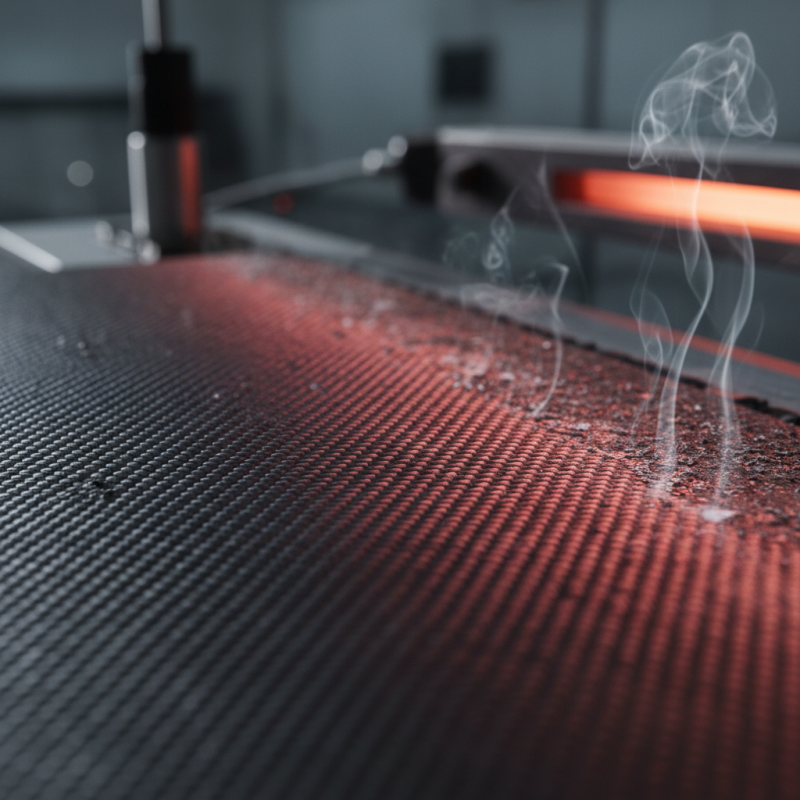
How Heat Resistant Is Carbon Fiber 5 Essential Tips for Buyers?

Understanding the Basics of Carbon Fiber and Its Heat Resistance

Carbon fiber is widely recognized for its strength and lightweight properties. However, its heat resistance often goes unnoticed. Understanding the heat tolerance of carbon fiber is crucial for various applications. According to industry studies, carbon fiber can withstand temperatures near 300°C (572°F) without significant degradation. This property makes it attractive in aerospace and automotive sectors.


Yet, heat resistance is not uniformly excellent across all types of carbon fiber. Factors such as resin type and composite structure significantly influence thermal stability. For example, epoxy resins used in carbon fiber composites may begin to degrade at temperatures around 120°C (248°F). Buyers must consider these variables when assessing heat resistance capabilities.


Users should also be aware that carbon fiber isn't impervious to heat. Prolonged exposure can lead to thermal fatigue and reduced mechanical performance. While carbon fiber materials can be engineered for high heat applications, caution is needed. Regular testing and quality standards in production are essential for ensuring reliability. Evaluating these factors is vital for making informed purchasing decisions.

Key Factors Affecting the Heat Resistance of Carbon Fiber Materials

When considering the heat resistance of carbon fiber materials, it is essential to understand various factors that influence their performance. One of the primary factors is the type of resin used in the carbon fiber composite. Resins with higher heat thresholds can significantly enhance the material's overall resistance. Some resins may fail at lower temperatures, which compromises the strength of the fiber.

The manufacturing process also plays a crucial role. A tightly controlled environment can lead to better heat resistance. For instance, during curing, proper temperature and pressure can create stronger bonds within the composite. However, inconsistent processes might lead to variances in heat tolerance. Additionally, the fiber weave pattern affects how heat dissipates. A tighter weave can improve heat resistance by reducing thermal gradients.

Buyers need to consider environmental factors as well. Exposure to extreme temperatures over time can degrade materials, even those labeled as heat-resistant. Understanding these factors helps make informed decisions when selecting carbon fiber products. It's important to remember that not all carbon fibers are created equal, and what works for one application might not for another. Experience and thorough research are vital for ensuring reliable results.

Heat Resistance of Carbon Fiber Materials

This bar chart illustrates the heat resistance levels of various types of carbon fiber materials, showing how their performance varies with temperature tolerance.

Comparing Carbon Fiber to Other Heat Resistant Materials

When comparing carbon fiber to other heat-resistant materials, it's important to understand its unique properties. Carbon fiber can withstand temperatures up to 500 degrees Fahrenheit. This makes it ideal for various applications, from aerospace to automotive parts. In contrast, materials like aluminum will only hold up to about 400 degrees Fahrenheit before warping occurs.

However, carbon fiber's heat resistance comes with caveats. It doesn’t conduct heat as well as metals. This can be a disadvantage in situations where quick heat dissipation is needed. On the other hand, materials like titanium excel at both heat resistance and thermal conductivity. Yet, titanium is much heavier and costlier.

Carbon fiber is lightweight and strong but can be brittle. Its performance may degrade over time if frequently exposed to extreme temperatures. This characteristic raises questions about long-term durability. Buyers should weigh these factors carefully. Understanding how carbon fiber stacks up against alternatives will help inform choices based on application needs.

Practical Applications of Heat Resistant Carbon Fiber in Various Industries

Heat-resistant carbon fiber plays a crucial role in multiple industries. Its unique properties make it essential for applications in aerospace, automotive, and industrial sectors. In aerospace, carbon fiber composites can withstand temperatures exceeding 500°F. The material's lightweight nature enhances fuel efficiency without compromising strength.

In the automotive industry, heat-resistant carbon fiber is vital for parts exposed to intense heat, like engine components. Reports indicate that using carbon fiber can reduce vehicle weight by up to 50%, improving performance. However, it’s important to recognize that while carbon fiber excels in thermal resistance, it may not always perform well under prolonged high temperatures.

Various studies have highlighted the reliability of carbon fiber in extreme environments. For instance, a recent report found that components made from carbon fiber maintained structural integrity after 1,000 hours at high temperatures. Despite this, manufacturers need to be cautious about the specific resin systems used with carbon fiber. Not all resin systems can handle the same temperatures, potentially limiting the material’s full potential in certain applications. Continuous exploration into material improvements can help address these limitations.

Important Considerations for Buyers When Choosing Carbon Fiber Products

When choosing carbon fiber products, it’s essential to consider heat resistance. Carbon fiber has excellent thermal stability. It can withstand temperatures up to 300°C (572°F) without significant degradation. However, this varies by composite type and application. For instance, when combined with certain resins, peak temperature performance may drop.

Buyers should also pay attention to the type of resin used in the carbon fiber composite. According to industry studies, high-performance epoxies can increase thermal stability but might not be suitable for every application. In contrast, some popular resins may fail at lower temperatures. Testing against standardized ratings, such as ASTM D648, can be invaluable.

Flexural strength and thermal conductivity also impact a product's performance. Although carbon fiber is lightweight and strong, its heat conductivity may not be ideal in some scenarios. Choosing the right weave pattern and matrix material is critical. Visual inspections for defects can provide clues about quality. Always remember, while high heat resistance is a hallmark of carbon fiber, it doesn't guarantee suitability for every environment.

FAQS

: What is carbon fiber known for?

: Carbon fiber is recognized for its strength and lightweight properties.

How much heat can carbon fiber withstand?

Carbon fiber can tolerate temperatures near 300°C (572°F) without significant degradation.

Does all carbon fiber have the same heat resistance?

No, heat resistance varies widely based on resin type and composite structure.

What happens to carbon fiber under prolonged heat exposure?

Prolonged heat can lead to thermal fatigue and reduced mechanical performance.

Why is resin type important in carbon fiber composites?

The resin type greatly influences thermal stability and heat resistance performance.

Can carbon fiber be used in high-temperature applications?

Yes, but caution is needed. It may not perform well under continuous high temperatures.

What role does carbon fiber play in the aerospace industry?

It helps create lightweight components that enhance fuel efficiency and can withstand high heat.

How much weight can carbon fiber reduce in vehicles?

Carbon fiber can reduce vehicle weight by up to 50%, improving performance.

What should buyers evaluate when choosing carbon fiber products?

Consider heat resistance, resin type, flexural strength, and thermal conductivity.

What can visual inspections reveal about carbon fiber quality?

They can help identify defects that may affect performance and reliability.

Conclusion

Carbon fiber is renowned for its lightweight and high-strength properties, but a key aspect for potential buyers is understanding how heat resistant is carbon fiber. This article outlines the fundamental aspects of carbon fiber and its thermal properties, emphasizing the crucial factors that influence its heat resistance, such as the type of resin and manufacturing processes used.

Moreover, it compares carbon fiber to other heat-resistant materials, highlighting its advantages and limitations. Practical applications across various industries are discussed, from aerospace to automotive, showcasing the versatility of heat-resistant carbon fiber. Finally, buyers are provided with essential considerations to keep in mind when selecting carbon fiber products to ensure they meet specific heat resistance requirements for their intended applications.

Liam

Liam

Liam is a dedicated marketing professional with a profound expertise in the industry, where he excels at highlighting the unique advantages of our core products. With a keen understanding of market trends and consumer needs, Liam frequently updates our company’s professional blog, providing......