When it comes to carbon fiber, quality matters significantly. According to Dr. Jane Smith, a renowned materials scientist, "Understanding how to identify high quality carbon fiber is crucial for performance." Her insights underline the importance of distinguishing the right materials for your specific needs.
High quality carbon fiber offers strength, durability, and lightness. However, not all products meet these standards. Notably, factors like fiber weave, resin type, and manufacturer reputation affect quality. A quick glance may not reveal defects, making careful evaluation necessary.
Many enthusiasts overlook these details while shopping. This method can lead to disappointing performance. Explore resources and expert evaluations to learn more. Seeking knowledge is vital for making informed decisions regarding carbon fiber selections. Remember, the right choice enhances the longevity and effectiveness of the final product.
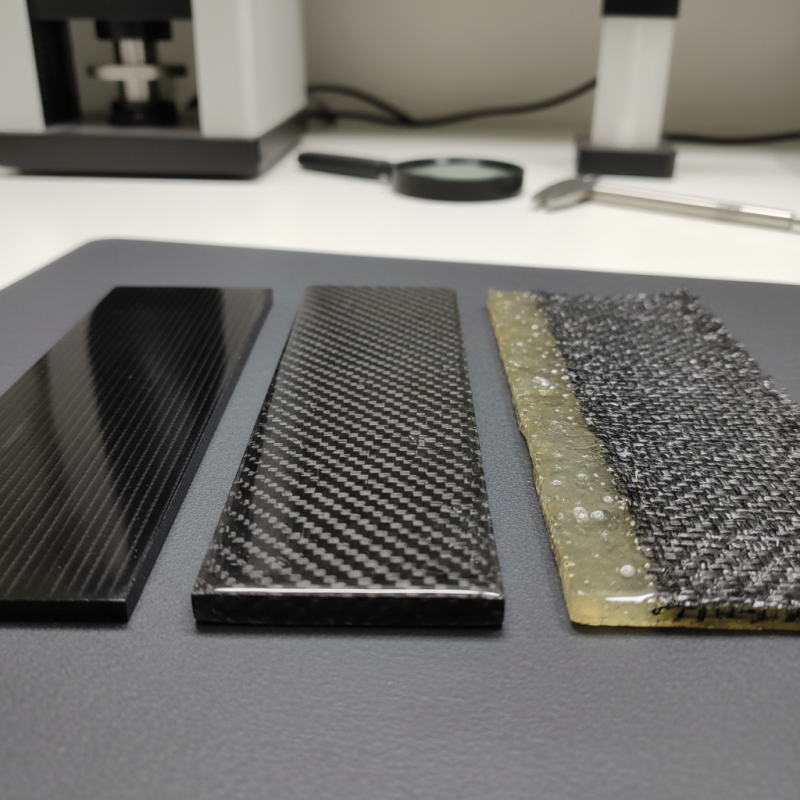
When selecting carbon fiber for specific applications, understanding its types and grades is crucial. Carbon fiber is categorized primarily into two types: standard modulus and intermediate modulus. Standard modulus fibers, with a tensile modulus of around 230 GPa, offer a good balance of strength and flexibility, making them suitable for automotive and aerospace uses. Intermediate modulus fibers, having a tensile modulus of around 290 GPa, provide enhanced stiffness, which benefits applications requiring higher rigidity.
Grades also play a vital role in determining fiber quality. High-strength fibers, for instance, boast tensile strengths exceeding 6000 MPa. They are essential for applications demanding exceptional durability. In contrast, lower grade fibers, while still versatile, may not meet stringent requirements for high-performance industries. According to a recent report by the Composites World, the demand for high-performance carbon fibers has surged by 15% annually, signifying a trend toward quality over quantity.
Choosing the right type and grade can be complex. Not all manufacturers provide transparent data regarding their materials. Some may conflate grades or fail to meet claimed specifications. It’s vital to seek reputable suppliers and request detailed reports that outline fiber characteristics. Attention to these details can significantly impact product performance. Understanding the intricacies of carbon fiber types and grades is a pathway to making informed decisions.
| Carbon Fiber Type | Tensile Strength (MPa) | Modulus of Elasticity (GPa) | Weight (g/m²) | Applications |
|---|---|---|---|---|
| Standard Modulus | 3500 | 230 | 200 | Automotive, Sports Equipment |
| Intermediate Modulus | 4000 | 290 | 210 | Aerospace, Marine |
| High Modulus | 5000 | 350 | 220 | Military, Space |
| Ultra-High Modulus | 6000 | 450 | 230 | Racing, Precision Instruments |
When selecting high-quality carbon fiber, understanding its key characteristics is essential. High-quality carbon fiber typically features excellent tensile strength. According to industry reports, it can reach strengths over 600 ksi, making it strong yet lightweight. The modulus of elasticity is also a critical factor, with premium types exceeding 30 Msi. This means they can withstand stress without deforming easily.
Tips: Look for carbon fiber with a high fiber-to-resin ratio. This can improve overall performance and reduce weight significantly. It's also wise to verify certifications and standards compliance for quality assurance.
Another important aspect is the curing process. This affects the final properties of the material. Manufacturers using high-temperature processes often yield more durable fibers. Inconsistencies can arise if lower-grade materials are used or if the curing is insufficient. Always assess samples before purchase to ensure they meet your structural requirements.
Tips: Compare samples from different suppliers. This helps identify variations in quality and performance. Observing how the material behaves under strain can also provide insights into its reliability.
When evaluating the manufacturing process for carbon fiber, it's essential to consider several factors. The raw materials used significantly impact the final product's quality. High-quality carbon fiber originates from polyacrylonitrile (PAN) fibers. These fibers undergo extensive treatments to ensure strength and durability. Manufacturers may use different approaches, affecting the end-use applications.
Pay attention to the production techniques. Continuous tow and filament winding are two common methods. Each has its advantages and limitations. The curing process also plays a crucial role. Improper curing can lead to weak points in the final product. Manufacturing environments should be controlled to minimize contaminants. Production facilities should follow rigorous quality control protocols.
Consider the overall transparency of the supplier. Reliable manufacturers provide detailed information about their processes. This transparency builds trust and ensures you are purchasing a quality product. Look for certifications that indicate adherence to industry standards. However, not all certifications ensure quality. It is always advisable to request samples to assess the material firsthand. Understanding these factors can lead to better decisions in selecting the right carbon fiber for your needs.
When sourcing high-quality carbon fiber, identifying reliable suppliers is crucial. According to a report by the Global Carbon Fiber Market Analysis, about 70% of consumers value certifications when selecting suppliers. Certifications like ISO 9001 ensure that manufacturers adhere to rigorous quality standards. Suppliers with ISO certification often have reliable testing processes in place, resulting in consistent material quality.
It’s essential to investigate supplier backgrounds. Look for those with extensive industry experience. Industry reports indicate that suppliers with over ten years in the market are more likely to deliver high-quality products. Engaging with suppliers that invest in research and development can also provide insights into innovative practices. Such practices often enhance material performance, making them suitable for demanding applications.
Moreover, examining the testing methods used by suppliers adds another layer of assurance. Some may not conduct thorough tests, which can lead to discrepancies in quality. For instance, suppliers relying solely on visual inspection may overlook critical flaws in the material. As you evaluate options, prioritize those who provide transparent documentation of their testing results and methodologies.
This bar chart illustrates various quality metrics of carbon fiber, which include tensile strength, flexural modulus, impact resistance, weight, and cost. These metrics can help in identifying high-quality carbon fiber suitable for specific needs.
Carbon fiber is renowned for its strength and lightweight properties, making it ideal for various applications. In industries like aerospace, high-quality carbon fiber components enhance performance and reduce weight, which is critical for fuel efficiency. The automotive sector also benefits, where advanced composites improve safety without adding bulk. Engineers often rely on rigorous testing to verify material integrity in high-stakes environments.
In sports and leisure, high-quality carbon fiber is used in bicycles, fishing rods, and sporting goods. These products can withstand extreme conditions while remaining lightweight. However, not all carbon fiber is created equal. It's important to understand the difference between woven and unidirectional fibers. Each has unique attributes, impacting performance based on the intended use. While high-quality materials offer durability, some products may still fall short in design or application.
Choosing the right carbon fiber requires careful consideration. Users should look for specifications that meet their unique requirements. Understanding how carbon fiber interacts with other materials, such as resin, can prevent unexpected failures. It’s also wise to consider the manufacturing process, as this can affect the final product's quality and reliability. Balancing performance with cost can be challenging but is essential for making informed decisions.
: Reliable suppliers ensure high-quality materials, which is crucial for performance in various applications.
Look for ISO 9001 certifications. They indicate adherence to rigorous quality standards and reliable testing processes.
Suppliers with over ten years of experience are often more reliable in delivering high-quality products.
Thorough testing methods help avoid discrepancies in quality. Some suppliers may miss critical flaws without adequate testing.
High-quality carbon fiber is used in aerospace, automotive, sports, and leisure industries for its strength and lightweight properties.
Each fiber type has unique attributes affecting performance. Your choice should be based on specific application needs.
Knowing how carbon fiber interacts with resins is vital to prevent unexpected failures.
Careful consideration of specifications and manufacturing processes can help ensure quality without overspending.
Yes, even high-quality materials may fall short due to poor design or application choices.
Conduct thorough research, ask questions, and evaluate supplier documentation to make better choices.
When considering how to identify high quality carbon fiber, it's essential to understand the various types and grades available. High-quality carbon fiber is characterized by features such as high tensile strength, low weight, and resistance to environmental factors. Evaluating the manufacturing process plays a crucial role in determining fiber quality; processes that ensure consistency and precision yield superior materials.
Furthermore, identifying reliable suppliers and understanding the importance of certifications can significantly impact your choice of carbon fiber. Practical applications of high-quality carbon fiber are vast, spanning industries from aerospace to sports equipment, making it important to select the right fiber for your specific needs. By following these guidelines, you can effectively assess and choose high-quality carbon fiber that meets your requirements.

RAXIS Fiber