Cutting and shaping carbon fiber requires careful attention to safety protocols. As noted by John Miller, an industry expert, “Proper techniques are critical for preventing injuries.” Understanding how to cut and shape carbon fiber safely is essential for both professionals and hobbyists alike.
Carbon fiber is a lightweight yet strong material, and its properties make it ideal for various applications. However, mishandling this material can lead to serious risks. The dust created from cutting can irritate the lungs. Without proper gear, injuries from sharp edges are common.
Safety measures are paramount. Always wear a mask and protective eyewear. Using the right tools will also make a difference. However, even with precautions, accidents can happen, leading to reflections on best practices. Knowing how to cut and shape carbon fiber safely is not just a skill but a commitment to safety and quality.
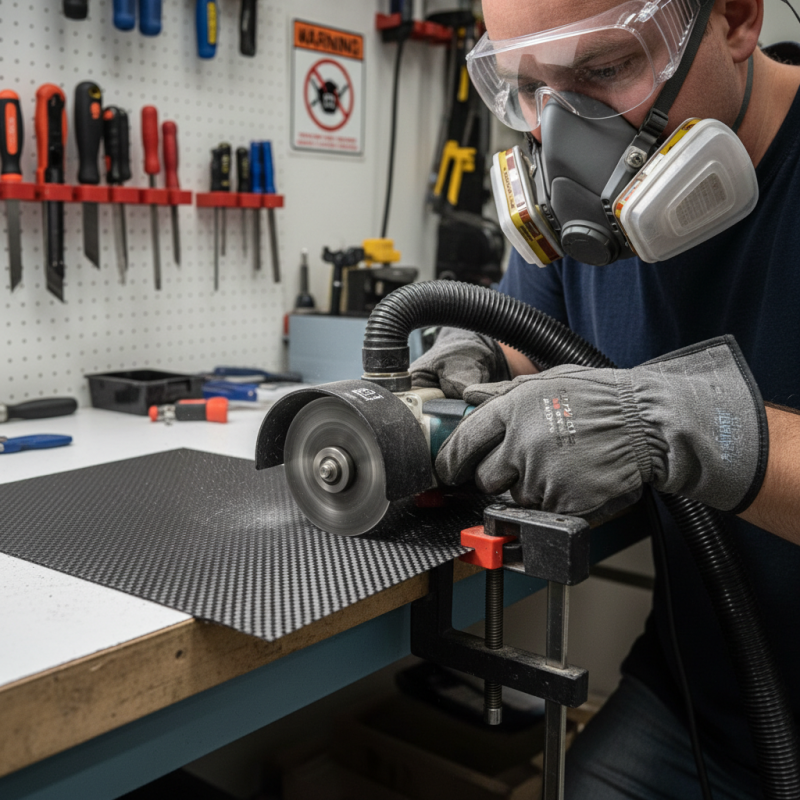
Carbon fiber has become a cornerstone in modern engineering applications. Its unique properties, such as high strength-to-weight ratio and corrosion resistance, make it ideal for various industries. From aerospace to automotive, the use of carbon fiber enhances performance and durability. However, the significance of properly cutting and shaping this material cannot be understated.
Accurate cutting is vital. It ensures the integrity of the fibers, preventing potential weaknesses. A clean edge reduces the risk of delamination when layers are bonded. Improper cutting can lead to a failure in structural applications, causing safety concerns.
Tips: Use specialized tools designed for carbon fiber to achieve smooth cuts. Always wear protective gear, as carbon dust can irritate skin and lungs. Take time to measure before cutting, as mistakes can be costly.
Shaping is equally important. Techniques like vacuum bagging and autoclaving allow for precise molding. These methods create components that perform better under stress. Engineers must constantly reflect on their processes, as even small errors in shaping can have significant consequences.
Tips: Regularly inspect equipment to maintain effectiveness. Seek feedback from peers to improve shaping techniques. Embrace learning from past mistakes for better outcomes.
Carbon fiber is known for its impressive strength and lightweight properties. However, handling and shaping this material requires a deep understanding of its unique characteristics. Cutting carbon fiber generates fine dust particles that can be harmful if inhaled. It’s crucial to wear appropriate safety gear, such as masks and goggles, during this process. The dust can linger in the air, posing risks that are often overlooked.
The methods used in cutting carbon fiber also matter. Traditional blades may not be suitable, as they can fray the fibers and compromise the material's integrity. Specialized tools designed for composites help maintain clean edges. Many users encounter difficulties in choosing the right techniques, often leading to subpar results. It’s essential to invest time in learning the best practices.
Working with carbon fiber can be rewarding but requires caution. Mistakes can lead to wasted material and time. Understanding the properties of carbon fiber enhances not only safety but also the quality of your projects. Taking the time to educate yourself can save you from regrets later on.
Cutting and shaping carbon fiber requires meticulous attention. This material is lightweight yet incredibly strong, making it a favorite in industries such as aerospace and automotive. However, improper techniques can lead to damage and safety hazards.
When cutting carbon fiber, using the right tools is crucial. A saw with fine teeth or a specialized cutting tool minimizes fraying at the edges. Water or air cooling can help reduce heat buildup, preventing resin from melting. Always wear protective gear like masks and gloves. The dust produced can be harmful.
Shaping carbon fiber often involves techniques like vacuum bagging or layup methods. These ensure proper adhesion and structure. It's essential to mold the material correctly during these processes. A small misalignment can lead to weak points. Mindfulness during shaping is key, as mistakes can compromise the integrity of the final product. As you refine your skills, consider documenting your trials. Each attempt brings valuable lessons.
Cutting and shaping carbon fiber requires precision to maintain its integrity. This material is prized for its strength and lightweight properties. However, mishandling during shaping can lead to microfractures, compromising performance. Research shows that improper cutting can reduce carbon fiber's tensile strength by up to 30%. Therefore, understanding best practices is vital.
Before starting, always use the right tools. A sharp, high-quality cutter prevents fraying and damage. Consider using a vacuum or wet cutting methods to limit dust and resin shedding. This can help maintain a clean workspace, which is essential for both safety and quality. Remember, mishaps during this process can lead to significant waste and lost resources.
Tip: Always wear protective gear, such as masks and gloves. Carbon fiber dust is harmful and can irritate the lungs and skin. Another tip is to take your time. Rushed jobs often result in mistakes. Allow yourself the time needed for careful measurements and adjustments. Patience can be a game-changer when working with this exquisite material.
When working with carbon fiber, safety equipment is crucial. Carbon fiber dust can irritate the skin and lungs. Proper protective gear, such as gloves and masks, reduces these risks. Safety goggles are essential. They protect your eyes from tiny particles. These precautions must not be overlooked.
Tips for handling carbon fiber include using a vacuum system. This keeps dust from spreading around your workspace. It is wise to work in a well-ventilated area. This helps to disperse any harmful particles in the air. Remember to regularly check your equipment for wear and tear. Damaged tools can lead to accidents.
Another important point is to maintain a clean workspace. Clutter can lead to mistakes and safety hazards. Set aside a specific area for cutting and shaping carbon fiber. This keeps distractions to a minimum. Reflect on your safety practices. Are you doing enough to protect yourself? Being cautious and prepared is not just smart; it can save your health.
| Safety Equipment | Purpose | Precautions |
|---|---|---|
| Safety glasses | Protects eyes from particles | Ensure they fit properly |
| Dust mask | Prevents inhalation of dust | Use a mask rated for fine particles |
| Gloves | Protects hands from sharp edges | Choose cut-resistant gloves |
| Face shield | Protects face from flying debris | Use in conjunction with safety glasses |
| Work apron | Protection from splinters | Choose a durable material |
: Use a saw with fine teeth or specialized cutting tools. They reduce fraying and ensure cleaner cuts.
Cooling with water or air prevents heat buildup, which can melt the resin.
Wear masks, gloves, and safety goggles to protect yourself from harmful dust and particles.
Use a vacuum system to minimize dust spread and work in a well-ventilated area.
A small misalignment during molding can create weak points in the final structure.
A clean workspace reduces distractions and prevents mistakes, which can lead to safety hazards.
Document your trials and reflect on mistakes. Each attempt offers lessons for improvement.
Ignoring safety can lead to health issues, injuries, or accidents, which could be preventable.
Regularly inspect your tools for wear and tear to avoid accidents while handling the material.
Staying focused helps prevent errors that could compromise the material's integrity and your safety.
In today's engineering landscape, carbon fiber plays a crucial role due to its lightweight, high-strength properties applicable in various sectors. Understanding how to cut and shape carbon fiber safely is essential to maintain its integrity and performance. Effective techniques for cutting include using specialized blades and tools designed to reduce splintering and preserve the material's structure. When shaping carbon fiber, it's vital to employ best practices that avoid compromising its strength, such as utilizing appropriate molds and equipment.
Safety considerations are also paramount when working with carbon fiber, necessitating the use of protective gear to safeguard against harmful dust and particles. Proper ventilation and dust collection systems should be employed to uphold a safe working environment. By following these guidelines, professionals can maximize the benefits of carbon fiber while ensuring a safe and effective handling process.

RAXIS Fiber