Carbon fiber surfaces are increasingly popular in various industries, including automotive and aerospace. Their lightweight yet durable properties make them ideal for high-performance applications. However, maintaining and cleaning these surfaces effectively is essential to prolong their lifespan and appearance. Understanding how to maintain and clean carbon fiber surfaces can help users avoid damage and ensure optimal performance.
According to a recent industry report, over 45% of carbon fiber applications experience deterioration due to improper care. Correct maintenance practices can significantly enhance the longevity of carbon fiber products. Specialized cleaning techniques help maintain their visual appeal and structural integrity. The wrong cleaning methods can lead to micro-scratches and surface degradation. Users must be informed about the specific products and techniques suitable for carbon fiber care.
Effective cleaning and maintenance require expertise. Not all cleaners are safe for carbon fiber. Some may contain harsh chemicals that can damage the resin. Techniques such as gentle washing with specific tools are crucial. By focusing on how to maintain and clean carbon fiber surfaces, users can enjoy the benefits of this advanced material while minimizing potential risks. Encouraging ongoing learning about proper care can yield better results in carbon fiber maintenance.
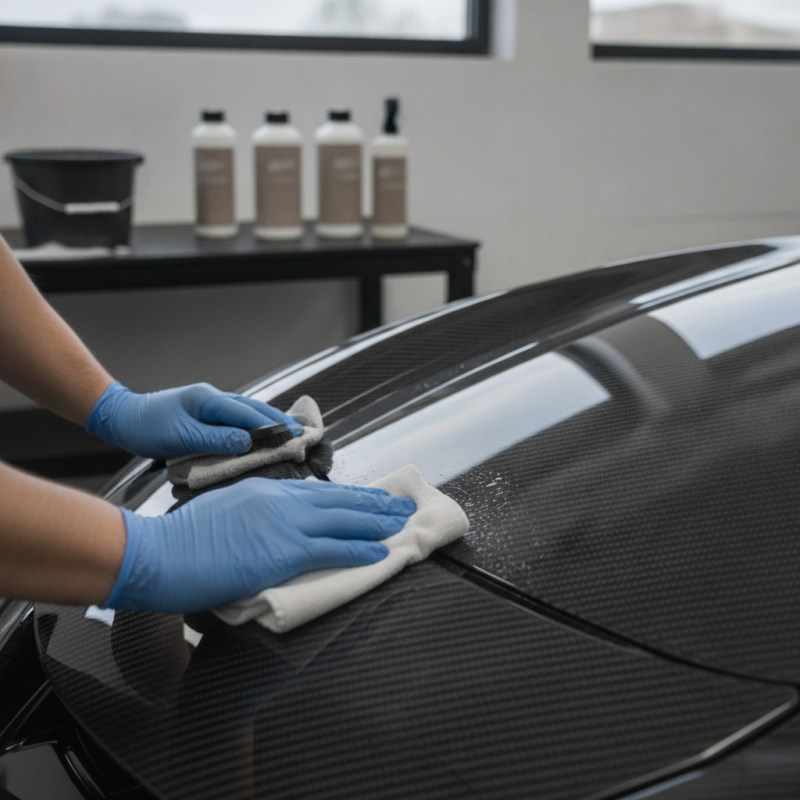
Carbon fiber surfaces are known for their strength and lightweight properties. They are widely used in
aerospace, automotive,
and sporting goods. The unique structure of carbon fiber offers excellent resilience
against impact and stress. This makes it an ideal choice for high-performance applications. However, this material isn't invincible.
Cleaning carbon fiber requires care. Harsh chemicals can damage its surface. Instead, use gentle soaps
and soft cloths for routine maintenance. Regular cleaning helps preserve the sleek look and integrity of the surface.
Many users overlook the importance of proper storage. Exposing carbon fiber to extreme temperatures or direct sunlight can weaken it over time. Remember, the environment plays a crucial role in maintaining its quality. Regular inspections can help catch small damages before they escalate.
Cleaning carbon fiber surfaces requires specific tools and materials to ensure their care. Start with a soft microfiber cloth. This helps avoid scratches. Use gentle soap or pH-balanced cleaner mixed with water. Avoid harsh chemicals; they may damage the finish. A small brush can assist in getting into tight spaces, like seams.
Tips: Always dry the surface after cleaning. Water spots can form if left unattended. Consider using a dedicated wax designed for carbon fiber. This adds a layer of protection. Test any cleaner on a small area first. This prevents potential damage to your surface.
In addition, use a soft bristle brush to eliminate dust without scratching. Regular cleaning can enhance durability and appearance. Neglecting maintenance may lead to a dull look over time. Remember, carbon fiber is resilient but still needs attention. Review your cleaning routine regularly and adjust as needed.
Cleaning carbon fiber surfaces requires a careful approach to maintain their integrity. The process typically begins with a gentle rinse of the surface. Use lukewarm water to remove any loose dirt or debris. This step prevents scratching while ensuring the surface remains intact. According to industry reports, improper cleaning can reduce the lifespan of carbon fiber components by up to 30%.
After rinsing, select a pH-balanced cleaner. Avoid harsh chemicals that can degrade the resin matrix. Apply the cleaner using a soft microfiber cloth, which minimizes the risk of abrasion. Wipe in straight lines, not circular motions, to prevent swirl marks. Ensure the cloth is damp, not soaking wet. Rinse the area thoroughly to remove all cleaning product residues, as any leftover chemicals can attract dirt over time.
For stubborn stains, a soft brush may be effective, but caution is crucial. If you press too hard, you risk damaging the composite structure. Regular maintenance is key. Performing this process every month can enhance the aesthetic appeal and durability of carbon fiber surfaces. Always inspect your cleaning materials to ensure they're in good condition. A frayed cloth can introduce new scratches, negating the benefits of your efforts.
| Step | Description | Materials Needed | Frequency |
|---|---|---|---|
| 1 | Dust off the surface using a microfiber cloth. | Microfiber cloth | Weekly |
| 2 | Wash with mild soap solution and water. | Mild soap, water, sponge | Monthly |
| 3 | Rinse thoroughly with clean water. | Clean water | Monthly |
| 4 | Dry the surface with a separate dry microfiber cloth. | Dry microfiber cloth | Monthly |
| 5 | Apply a specialized carbon fiber wax for protection. | Carbon fiber wax, applicator pad | Every 3-6 months |
| 6 | Inspect for scratches or damage. | N/A | Every 3 months |
Maintaining the integrity of carbon fiber surfaces requires a careful approach. Regular cleaning is essential. A soft microfiber cloth is often recommended for dust removal. Harsh chemicals can damage the resin matrix, leading to surface degradation. Studies indicate that over 50% of carbon fiber damage occurs from improper cleaning methods.
Inspecting the surface is just as vital. Look for signs of wear or scratches. Even small damages can expand under stress. According to industry reports, the lifespan of carbon fiber components can be significantly reduced if not properly maintained. A close inspection every few months can help catch issues early.
Protective coatings can enhance durability. Specialized products help shield against UV rays and environmental factors. However, it’s crucial to choose compatible products. Mismatched coatings may lead to poor adhesion or structural weakness. Maintaining carbon fiber is an ongoing process, requiring both care and attention to detail. Keep in mind that even minor neglect can lead to significant issues over time.
Cleaning carbon fiber surfaces requires careful attention. Many people make common mistakes that can damage these materials. Overusing water is one such error. While water is essential for cleaning, too much can lead to complications. Manufacturers report that excess moisture may weaken adhesive bonds in carbon fiber composites.
Using the wrong cleaning agents is another critical mistake. Some common household products can harm carbon fiber. Chemicals in these cleaners may break down the resin that binds the carbon fibers. Industry studies show a significant percentage of users unknowingly choose abrasive cleaners, which can scratch the surface. It is vital to check ingredient labels before applying any product.
Additionally, neglecting regular maintenance is a frequent oversight. Dust and grime can accumulate, affecting the aesthetic and performance of carbon fiber. It is essential to establish a regular cleaning routine. Lightly wiping the surface with a microfiber cloth every few weeks can prevent buildup. This simple action can extend the life of your carbon fiber materials significantly.
: Carbon fiber surfaces are strong, lightweight, and resilient against impact. They are ideal for high-performance applications.
Use gentle soaps and soft cloths. Avoid harsh chemicals to prevent damage to the surface.
Overusing water and using wrong cleaning agents are common mistakes. Both can weaken the material.
Excess moisture can weaken adhesive bonds in carbon fiber composites and damage the surface over time.
Extreme temperatures or direct sunlight can weaken carbon fiber. Proper storage maintains its integrity and quality.
Establish a regular cleaning routine. Wipe the surface lightly with a microfiber cloth every few weeks.
Neglecting maintenance can lead to dust and grime buildup. This can affect both aesthetics and performance.
No, some household cleaners can harm carbon fiber. Always check ingredient labels before use.
Regular inspections help catch small damages early. This proactive approach extends the life of the material.
No, carbon fiber has limits. While durable, it is not immune to damage from improper care or extreme conditions.
In the article "How to Maintain and Clean Carbon Fiber Surfaces Effectively," readers are guided on how to maintain and clean carbon fiber surfaces, highlighting the unique properties of this material that require special attention. It begins by explaining the characteristics of carbon fiber and the importance of using appropriate tools and materials to avoid damage during the cleaning process.
The article then provides a comprehensive step-by-step cleaning process, ensuring that the integrity of carbon fiber is preserved over time. Additionally, it offers essential tips for maintenance and outlines common mistakes to avoid, which can lead to deterioration of the surface. Overall, following these guidelines will help maintain the aesthetic and functional qualities of carbon fiber surfaces.

RAXIS Fiber