When working with carbon fiber, safety must be a priority. The lightweight and strong material comes with hidden dangers. It is crucial to understand what safety precautions are needed when working with carbon fiber. From the dust created during cutting to the potential skin irritation from resins, each aspect requires careful consideration.
Personal protective equipment (PPE) is essential. Gloves, masks, and goggles can prevent injuries. Yet, many may underestimate the risks involved. Proper ventilation is not just a suggestion; it's vital. Failing to ensure airflow can lead to serious health issues. Workers may feel fine initially but face long-term consequences.
Training and awareness are key. Understanding the properties of carbon fiber helps in crafting safe working habits. Even experienced workers can overlook safety measures. Constant reminders and safety drills can reinforce good practices. Carbon fiber can be beneficial, but safety should never be compromised.
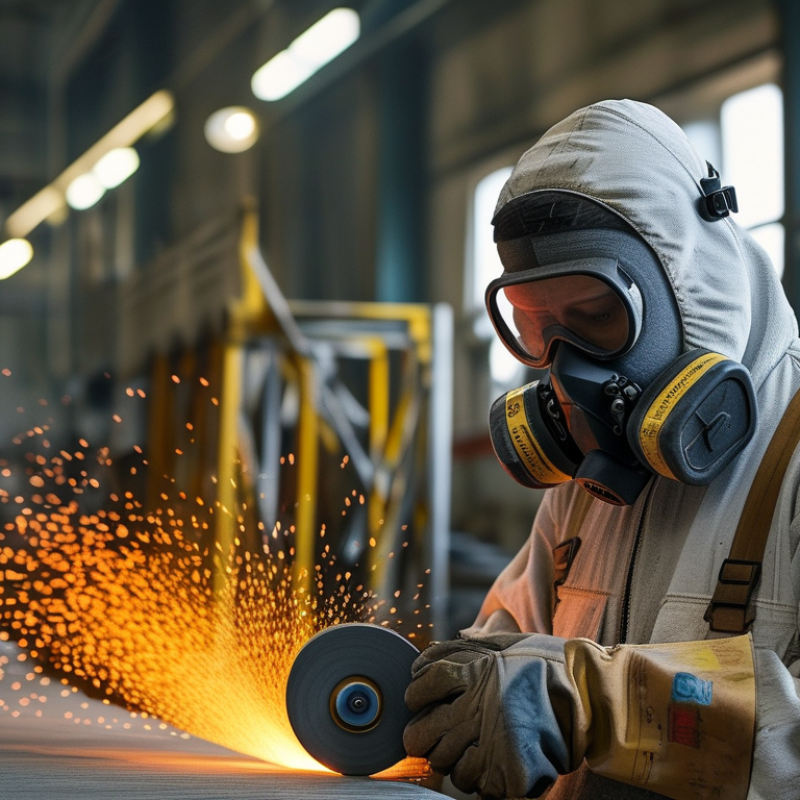
Carbon fiber is a strong composite material widely used in various industries. Its light weight and high tensile strength make it ideal for aerospace and automotive applications. However, underestimating safety risks can lead to serious health concerns. According to the American National Standards Institute (ANSI), inhaling carbon fiber dust can damage lung tissue and result in chronic respiratory issues. Proper ventilation and protective equipment are crucial when handling this material.
During the manufacturing process, carbon fiber can produce fine dust particles. These particles can cause skin irritation and eye injuries. Reports suggest that 25% of workers in carbon fiber production experience some form of exposure-related symptoms. It’s essential to wear appropriate personal protective equipment (PPE), including gloves, goggles, and respiratory masks. Regular monitoring of air quality in workspaces can help minimize these risks.
It is also important to note the risk of fire hazards. When carbon fiber composites burn, they can release toxic fumes. According to data from the National Fire Protection Association (NFPA), this necessitates a specific fire response strategy. Employers should ensure that all employees are trained in emergency procedures. Ultimately, creating a safer working environment involves not only compliance with safety standards but also continual education and awareness campaigns for all employees in the industry.
| Safety Precaution | Description | Recommended Equipment |
|---|---|---|
| Wear Protective Clothing | Use long sleeves and pants made from materials that can resist cuts and abrasions. | Cut-resistant gloves, protective suits |
| Respiratory Protection | Prevent inhalation of carbon fiber dust and resin fumes. | N95 respirators, full-face respirators |
| Eye Protection | Shield eyes from flying particles and chemical splashes. | Safety goggles, face shields |
| Proper Ventilation | Ensure adequate airflow to reduce exposure to harmful fumes. | Exhaust fans, open windows |
| Safe Handling Tools | Use appropriate tools to minimize manual handling and injury. | Cutting tools, handling equipment |
: PPE is essential for protecting against hazards when working with carbon fiber materials.
Quality gloves shield against skin irritation and sharp fibers that could penetrate the skin.
Inhaling fine particles can lead to serious lung conditions over time if proper precautions aren't taken.
A good-quality respirator significantly reduces the risk of respiratory issues from dust exposure.
Safety goggles prevent irritants from entering the eyes, reducing the risk of discomfort or injury.
Avoid regular trash; use designated disposal services to ensure safe processing of hazardous waste.
Wear a mask, use fans, and ensure proper ventilation to reduce dust accumulation in the workspace.
Cleaning up immediately after use is often neglected, but it's crucial for long-term health.
It prevents respiratory problems from tiny particles and ensures a safer working environment overall.
Reflecting on safety practices and committing to them can lead to a healthier workplace.
When working with carbon fiber, it's crucial to understand its safety risks and the necessary precautions to mitigate them. The first step is to equip yourself with appropriate personal protective equipment (PPE), such as gloves, masks, and goggles, to protect against dust and particles during handling. Furthermore, ensuring proper ventilation in your workspace is essential to disperse harmful airborne fibers and maintain air quality.
Safe handling practices include minimizing direct contact with carbon fiber materials and implementing proper disposal methods to prevent environmental contamination. In case of injury, knowing first aid measures specific to carbon fiber-related incidents is vital for swift and effective response. In summary, to answer the question of what safety precautions are needed when working with carbon fiber, it is essential to prioritize PPE, ventilation, safe handling, and awareness of first aid procedures.

 RAXIS Fiber