Why is Carbon Fiber Strong and Lightweight for Buyers?

Time:2026-07-25 Author:Amelia
0%

Carbon fiber has captured the attention of industries from aerospace to automotive for its remarkable properties. "Why is carbon fiber so strong and lightweight?" is a question that experts often discuss. Dr. Emily Carter, a prominent materials scientist, states, "The unique structure of carbon fibers allows for incredible strength while maintaining low weight." This underscores why many manufacturers are turning to carbon fiber.

Carbon fiber consists of long strands of carbon atoms bonded together in a crystal formation. This structure provides an impressive strength-to-weight ratio. Unlike metals, carbon fiber doesn't corrode easily. Additionally, it can withstand extreme temperatures, further enhancing its durability.

Despite its advantages, carbon fiber is not without challenges. Production can be costly, which may deter some buyers. Furthermore, its brittleness can lead to issues under certain stress conditions. Understanding these aspects is crucial for those interested in utilizing carbon fiber in their projects. As the market evolves, questions remain about balancing cost and performance.
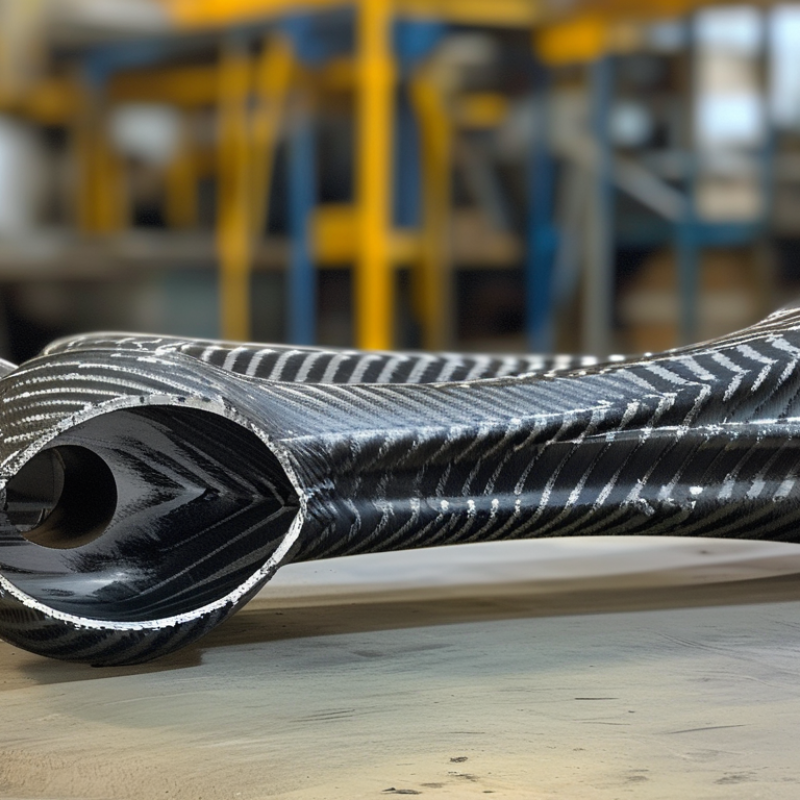
Why is Carbon Fiber Strong and Lightweight for Buyers?

Understanding the Composition of Carbon Fiber

Carbon fiber is renowned for its remarkable strength-to-weight ratio. This lightweight composite material, made from carbon atoms bonded together in a crystalline structure, offers great resilience. Its unique composition contributes to a tensile strength of over 400 KSI (kilo-pound per square inch), which is significantly higher than that of steel. This means that carbon fiber can endure extreme forces while remaining light, making it ideal for industries like aerospace and automotive.

Tips: When considering carbon fiber products, focus on applications where weight reduction is critical. In aviation, reducing just a few pounds can lead to significant fuel savings. Additionally, ensure that the carbon fiber you choose is manufactured in a reputable facility.

One drawback of carbon fiber is its cost. Though strong, the intricate production process can make it expensive compared to traditional materials. Understanding these dynamics is vital for making informed purchasing decisions. Research shows that while it may cost more upfront, its durability often compensates for the initial investment.

Tips: Always evaluate the long-term benefits of carbon fiber. Sometimes, the higher price is justified by lower maintenance costs and greater performance over time. With a growing array of applications, carbon fiber continues to gain traction across multiple sectors, reinforcing its potential as a leading material.

The Process of Manufacturing Carbon Fiber

The manufacturing process of carbon fiber is intricate yet fascinating. It begins with a polymer precursor, commonly polyacrylonitrile (PAN). This material undergoes a series of steps, including spinning and stabilization, to form long, thin fibers. During stabilization, fibers are heated in an oxidizing atmosphere. This crucial step prepares the fibers for carbonization.

Next comes carbonization. The fibers are exposed to high temperatures in an inert environment. This removes non-carbon elements, leaving behind pure carbon structures. As a result, the fibers gain incredible strength and low weight. This process takes precision and careful control of temperatures, which can often lead to variations in fiber quality. Inconsistent processes can result in weaker materials, prompting manufacturers to consistently refine their techniques.

Finally, the fibers are usually combined with resin to create a composite material. This reinforces their strength and durability, making carbon fiber ideal for various applications. Despite its advantages, not all carbon fiber products are flawless. Variations in production can lead to performance discrepancies. Thus, continuous improvement in manufacturing practices is essential for achieving high-quality carbon fiber.

Why is Carbon Fiber Strong and Lightweight for Buyers?

This chart illustrates the strength-to-weight ratio and density of various materials including carbon fiber. These properties are critical factors that make carbon fiber an appealing choice in various applications.

Key Properties That Make Carbon Fiber Strong

Carbon fiber is renowned for its remarkable strength-to-weight ratio. This material is composed of thin strands of carbon, often woven together, resulting in an exceptionally tough structure. According to a report by the National Research Council, carbon fiber is five times stronger than steel while weighing significantly less. The fiber has a tensile strength of around 3,500 MPa, showcasing its ability to withstand high tension without deformation. The lightweight nature, combined with its durability, makes it a preferred choice in aerospace and automotive industries.

Another crucial property of carbon fiber is its stiffness. It exhibits a high modulus of elasticity, typically around 230 GPa, providing excellent rigidity. This stiffness means components made from carbon fiber do not easily bend or warp under stress. However, it is essential to note that while carbon fiber excels in tension and bending, it may be less effective under certain impact conditions. Due diligence is needed when designing components to ensure they meet all necessary safety standards.

Tips: When considering carbon fiber for projects, evaluate the specific application requirements. Analyze potential weaknesses alongside its strengths. Testing various designs can prevent performance failures in real-world scenarios. Each project may unveil new insights, highlighting the need for careful experimentation.

The Lightweight Advantage of Carbon Fiber Compared to Other Materials

Carbon fiber has emerged as a leading material in various industries, primarily due to its lightweight nature. When compared to metals like aluminum or steel, carbon fiber is significantly lighter. This reduced weight leads to better fuel efficiency in vehicles and improved performance in sports equipment. For instance, a bicycle frame made of carbon fiber can be much lighter than its metal counterparts, enabling faster speeds and easier handling.

The tensile strength of carbon fiber is impressive. It can withstand considerable stress while maintaining its shape. This makes it a favorite in aerospace and automotive applications. Engineers rely on its strength-to-weight ratio for crafting components that perform under pressure. However, it’s essential to note that balancing lightweight properties with durability is still a challenge. Some applications might compromise on one for the sake of the other.

At the same time, it's crucial to acknowledge that carbon fiber isn't perfect. It can be more expensive to produce compared to traditional materials. Additionally, its manufacturing processes may have environmental implications. Innovations in this field are necessary to make carbon fiber a more sustainable option. Addressing these shortcomings will further enhance its appeal and broaden its applications in the future.

Applications of Carbon Fiber in Various Industries

Carbon fiber is becoming the material of choice across various industries. Its unique properties make it strong yet incredibly lightweight. In the aerospace industry, carbon fiber is crucial for aircraft manufacturers. It helps reduce weight while maintaining structural integrity. This reduction in weight enhances fuel efficiency, a top priority for airlines.

In the automotive sector, carbon fiber parts are now common. They improve vehicle performance by reducing weight, which leads to better acceleration and handling. Sports cars often incorporate carbon fiber components. However, the high cost remains a barrier for broader usage. Some manufacturers are exploring ways to lower production costs.

The construction industry is also embracing carbon fiber. It offers stability and strength for reinforcing structures. Buildings can be constructed with lightweight carbon fiber materials, making them easier to handle. Yet, resistance to adopting these technologies still exists. Many engineers are cautious, noting that they need to fully understand the long-term effects.

Why is Carbon Fiber Strong and Lightweight for Buyers? - Applications of Carbon Fiber in Various Industries

Industry Application Benefits
Aerospace Aircraft components Reduced weight leading to fuel efficiency
Automotive Body panels and chassis Improved performance and safety
Sports Equipment Bicycles, tennis rackets Enhanced durability and performance
Construction Structural reinforcement Increased strength without added weight
Medical Prosthetics and implants Biocompatibility and lightweight

FAQS

: What is carbon fiber made from?

: Carbon fiber is made from carbon atoms bonded in a crystalline structure.

Why is carbon fiber popular in aerospace?

Its lightweight properties significantly enhance fuel efficiency in aircraft.

What are the main components in carbon fiber manufacturing?

The process starts with a polymer precursor, commonly polyacrylonitrile, followed by stabilization and carbonization.

Is carbon fiber expensive?

Yes, the intricate production process makes carbon fiber cost more than many traditional materials.

What benefits does carbon fiber offer in automotive applications?

It reduces vehicle weight, improving acceleration and handling for better performance.

Can carbon fiber products have inconsistencies?

Yes, variations in production can lead to performance discrepancies in carbon fiber products.

Why is long-term evaluation important when using carbon fiber?

Initial costs may be high, but lower maintenance and greater durability can justify the price.

How does carbon fiber contribute to construction projects?

It provides stability and strength while being lightweight, making structures easier to handle.

Are there barriers to using carbon fiber in many industries?

Yes, high costs and engineers' need for long-term understanding hinder widespread adoption of carbon fiber technology.

What is a common misconception about carbon fiber?

Some think all carbon fiber products are flawless, while variations in manufacturing can affect quality significantly.

Conclusion

Carbon fiber is renowned for its remarkable strength and lightweight characteristics, leading to the question: why is carbon fiber so strong and lightweight? This unique material is composed of thin strands of carbon atoms that are tightly bonded together, which contributes to its high tensile strength and rigidity. The manufacturing process involves heating and stretching these fibers to enhance their structural integrity. Additionally, carbon fiber's lightweight advantage stems from its lower density compared to metals and other materials, making it an ideal choice for applications where weight savings are crucial.

The key properties of carbon fiber include its exceptional strength-to-weight ratio, corrosion resistance, and fatigue resistance, which have led to its widespread use across various industries, including aerospace, automotive, and sports equipment. By understanding the composition and manufacturing processes, as well as the inherent advantages of carbon fiber, buyers can appreciate why it is favored in the design of high-performance products.

Amelia

Amelia

Amelia is a seasoned marketing professional with a wealth of expertise in our company’s core offerings. With an unwavering passion for driving growth and innovation, she plays a pivotal role in shaping our marketing strategies and enhancing brand visibility. A key aspect of her responsibilities......