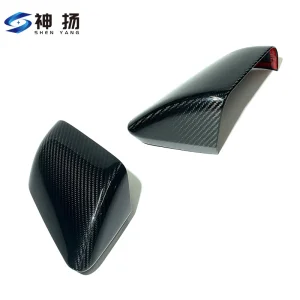
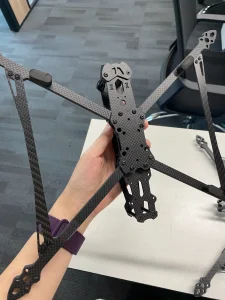
The automotive industry is undergoing a seismic shift toward lightweighting to maximize electric vehicle (EV) range and improve fuel efficiency. Carbon Fiber Reinforced Polymer (CFRP) has emerged as the gold standard for high-performance automotive components. As a specialist in semantic search and user intent, it is clear that global procurement professionals are not just looking for "a factory"—they are looking for a strategic partner capable of complex manufacturing processes like Autoclave curing, Resin Transfer Molding (RTM), and 5-axis CNC machining.
China’s dominance in the carbon fiber supply chain is not accidental. It is the result of decades of vertical integration—from carbon fiber precursor manufacturing to advanced CNC finishing. Manufacturers like Guangzhou RAXis Fiber Co., Ltd. leverage this proximity to raw materials and engineering talent.
Being located in industrial hubs provides immediate access to specialized resins, curing agents, and high-precision CNC tooling, reducing lead times for OEM projects significantly compared to Western suppliers.
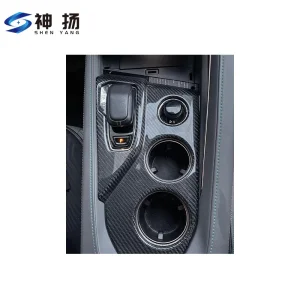
Chinese factories have mastered the transition from prototype (low volume) to mass production. Whether you need a bespoke interior trim for a luxury vehicle or structural parts for EV chassis, the ability to rapidly iterate using 3D modeling and autoclave molding is unparalleled.
Moving beyond virgin carbon fiber, manufacturers are now exploring the integration of reclaimed fibers in non-structural automotive parts to reduce the industry's carbon footprint.
Automated Fiber Placement (AFP) is replacing traditional manual layup, ensuring tighter tolerances, better consistency, and lower error rates for complex geometries.
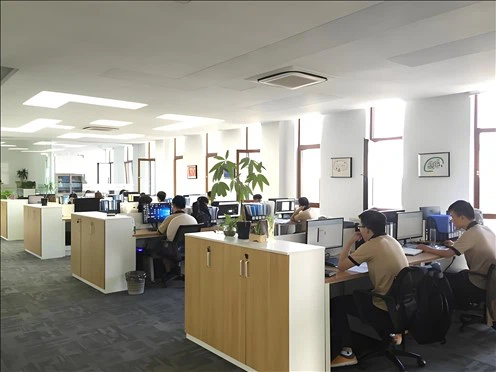
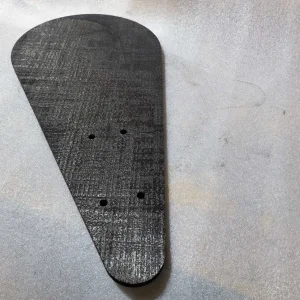
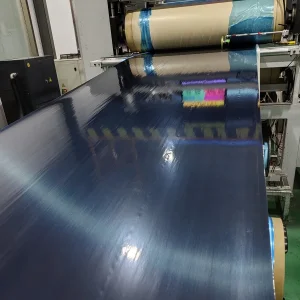
Guangzhou RAXis Fiber Co., Ltd. stands as a premier example of Chinese high-end manufacturing. Specializing in carbon fiber sheets, tubes, and complex custom composite products, they serve a global clientele.
Core Strengths:
A: Carbon fiber offers a higher strength-to-weight ratio, superior fatigue resistance, and the ability to be molded into complex aerodynamic shapes that are impossible with metal stamping.
A: RAXis implements strict quality control protocols from raw fiber selection to final CNC inspection, ensuring that every batch meets specific tensile and structural requirements for industrial applications.
A: Yes, we specialize in rapid prototyping, helping clients move from a CAD design to a tangible carbon fiber part with minimal lead times.
 RAXIS Fiber