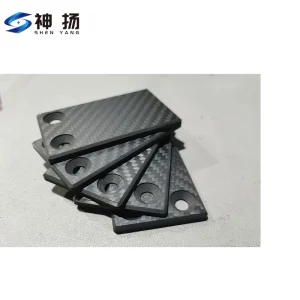
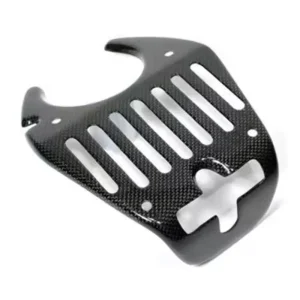
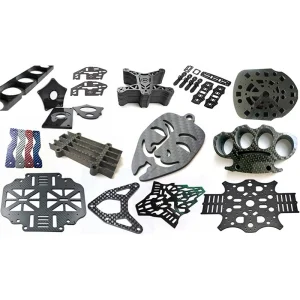
High-strength composite engineering assemblies, CNC-machined components, and advanced polymer reinforcements optimized for maritime and aerospace applications.
For decades, the commercial and luxury marine industries relied heavily on steel, aluminum, and traditional fiberglass (FRP). However, as naval architects push the boundaries of velocity, fuel economy, and range, these legacy materials reach their physical limits. Enter advanced marine carbon fiber composites.
By offering an unparalleled strength-to-weight ratio, high fatigue resistance, and absolute immunity to electrochemical galvanic corrosion, carbon fiber boat components are no longer limited to elite America's Cup racing yachts. Today, they constitute the backbone of modern superyachts, high-speed ferries, patrol boats, and recreational powerboats. Using carbon fiber reduces structural weight by up to 40% compared to aluminum and 60% compared to traditional glass fiber composites.
Guangzhou RAXis Fiber Co., Ltd., is at the forefront of this industrial revolution, engineering carbon fiber panels, custom tubes, and complex CNC assemblies designed to withstand the harshest saltwater environments.
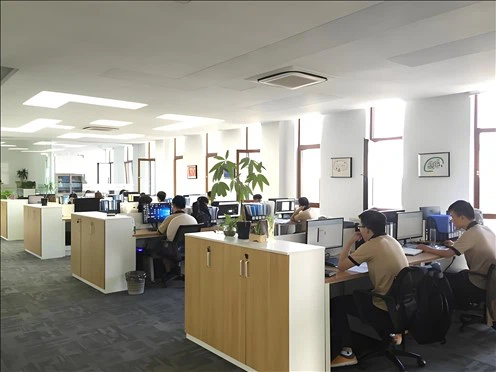
How regional marine requirements, climate variables, and regulatory codes dictate the deployment of carbon fiber yacht components.
In regions like the Mediterranean, the Caribbean, and Southeast Asia, carbon fiber components suffer extreme UV exposure and high thermal cycles. To counter composite degradation, components are coated with marine-grade, aliphatic polyurethane UV-stabilizers and nano-ceramic coats to maintain structural integrity and prevent resin yellowing.
In the North Sea and North American fisheries, carbon fiber masts, outriggers, and crane booms must withstand sub-zero temperatures and high dynamic icing loads. Carbon's extremely low coefficient of thermal expansion (CTE) ensures zero dimensional deformation and avoids internal stress fractures.
For vessels traversing shallow delta systems in South America and East Asia, reducing draft is paramount. Integrating light carbon fiber superstructures, hatch covers, and radar arches decreases total displacement, allowing shallow water passage while increasing fuel range by 18-25%.
Detailing the advanced material technologies, manufacturing processes, and technological horizons of marine composites.
The peak of marine carbon fiber reliability is achieved via pre-impregnated (prepreg) carbon fibers cured in a high-pressure autoclave. Autoclave curing at temperatures exceeding 120°C and pressures up to 7 bar eliminates air voids, yielding a fiber-to-resin ratio of over 65%. This technique ensures maximum tensile strength, which is vital for heavy-load items like rudders, hydrofoils, and keel fins.
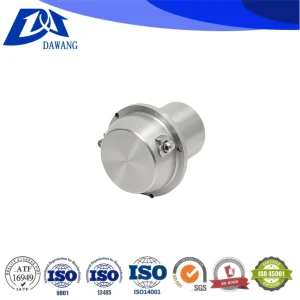
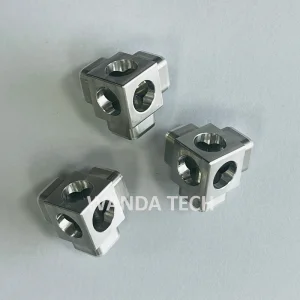
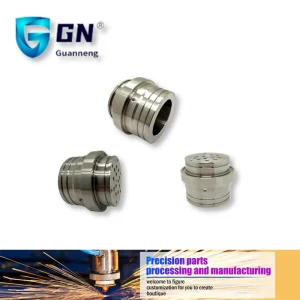
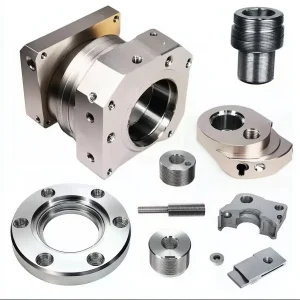
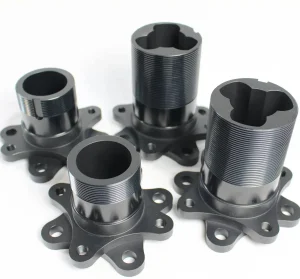
Integrating composite materials onto metal interfaces (aluminum anodes, stainless steel bearings) requires millimeter-perfect tolerances. Guangzhou RAXis Fiber leverages custom multi-axis CNC routers to machine marine components, ensuring exact bolt hole patterns and interface clearances. This reduces galvanic risks and minimizes installation downtime for yacht builders.
Phase 1: Bio-Resin Systems & Circularity. Adapting epoxy resin systems formulated with organic raw materials (linseed oil, cashew nutshell liquid) to match the performance of traditional petroleum-based polymers, aiming for circular marine recyclability.
Phase 2: Embedded Smart Sensors. Integrating fiber optic Bragg grating sensors directly within carbon fiber laminate layers. This enables real-time hull stress, deflection, and fatigue monitoring via on-board digital telemetry.
Phase 3: Automated Fiber Placement (AFP). Transitioning complex hull configurations to robotic AFP systems to minimize human layup inconsistencies and speed up production.
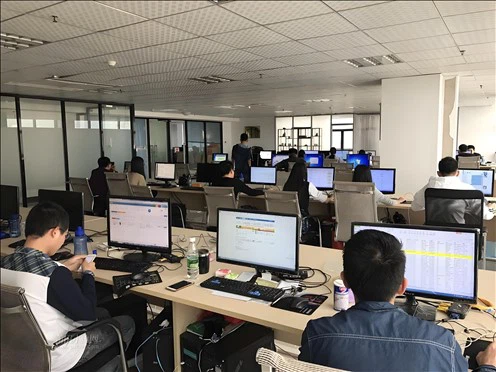
Guangzhou RAXis Fiber Co., Ltd., based in the Greater Bay Area of China, leverages a robust industrial ecosystem. By maintaining deep integration with top-tier domestic carbon fiber yarn manufacturers (T300, T700, and T800 grades) and epoxy resin suppliers, we ensure a stable and consistent supply chain.
Our strategic location near key deep-water ports (Guangzhou, Shenzhen, Hong Kong) allows for rapid sea freight dispatch, reducing transit times to key boatbuilding centers in North America, Western Europe, and Oceania.
Additionally, our optimized manufacturing workflows allow us to offer custom prototyping within 7 to 10 days and mass production scales that traditional Western fabricators cannot match. This rapid cycle, combined with rigorous in-house quality control testing (ultrasonic inspection, tensile testing), guarantees high reliability at competitive prices.
Understanding the economic drivers, regulatory changes, and fuel emission standards influencing boatbuilders globally.
Using carbon fiber in superyacht flybridges, hardtops, and biminis reduces roll and dynamic inertia, allowing for smoother cruising in rough waters.
Hydrofoils operate under extreme bending loads. Autoclave-cured carbon fiber components provide the high stiffness and fatigue resistance needed for foil-born craft.
Carbon fiber masts, booms, and bowsprits improve sailing vessel response, decrease masthead weight, and reduce heel angles.
Adhering to strict global classification societies, safety guidelines, and material certification standards.
For carbon fiber components to be used in commercial ships and high-end yachts, they must comply with strict international classification standards, such as DNV GL, Lloyd's Register, RINA, and the ABS (American Bureau of Shipping).
Guangzhou RAXis Fiber ensures all export products meet these rigorous requirements. From raw material traceability to gel-time monitoring, fiber volume fraction testing, and post-curing cycle verification, each production run is accompanied by a certificate of compliance.
We offer our global clients full technical support. We assist in translating structural designs into composite lay-up specifications and ensure proper galvanic isolation is implemented wherever carbon fiber interfaces with metals.
Guangzhou RAXis Fiber Co., Ltd. is a professional manufacturer specializing in carbon fiber sheets, tubes, and custom composite products, delivering lightweight and high-strength solutions for global industries. Based in Guangzhou, China, we integrate research, development, production, and sales to provide advanced carbon fiber materials tailored to diverse application needs.
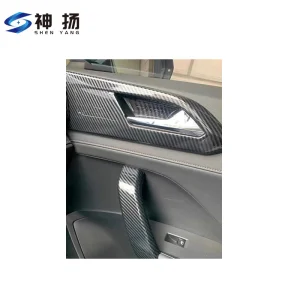
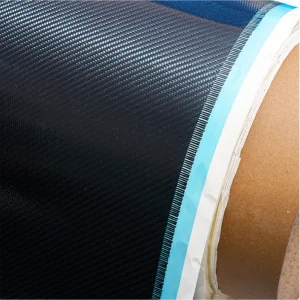
Our product portfolio includes carbon fiber sheets, tubes, plates, CNC-machined parts, and customized composite components widely used in aerospace, automotive, drones, sports equipment, and industrial structures. With a focus on precision engineering and material innovation, we ensure each product offers excellent strength-to-weight ratio, corrosion resistance, and long-term durability.
Equipped with modern production facilities and experienced technical teams, RAXis Fiber maintains strict quality control throughout the entire manufacturing process, from raw material selection to final inspection. We also provide flexible OEM and ODM services, supporting clients with custom designs, rapid prototyping, and scalable production. Driven by continuous innovation and customer-oriented service, we are committed to delivering reliable products, competitive pricing, and efficient lead times.
Expert technical answers for marine engineers, yacht designers, and purchasing directors.
Carbon fiber is electrically conductive. When placed in contact with metals like aluminum or steel in a saltwater environment, it can trigger galvanic corrosion of the metal. To prevent this, RAXis Fiber isolates joint areas by applying an insulating layer of fiberglass (usually E-glass) between the carbon fiber and metal surfaces, or uses non-conductive epoxy films and 316 stainless steel or titanium fasteners.
Unprotected carbon fiber epoxy composite can degrade and yellow under ultraviolet radiation. RAXis Fiber addresses this by using marine epoxy formulations with built-in UV stabilizers and finishing components with premium UV-resistant clear coats or polyurethane paint systems. With proper coatings, carbon fiber structures can last 20+ years in marine environments.
Depending on the structural requirement, we utilize autoclave curing for high-stress critical components (e.g., foils, rudders) to minimize voids. For large enclosure covers or structural panels, we use resin infusion processing (VIP) or compression molding, and complete detailing using multi-axis CNC machining centers to meet tight tolerances.
Yes, we offer complete OEM and ODM services. Our engineering team works directly with .step, .igs, .dwg, and Solidworks files to program our production equipment. This ensures precise translation from digital design to physical component.
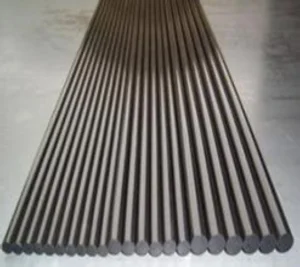
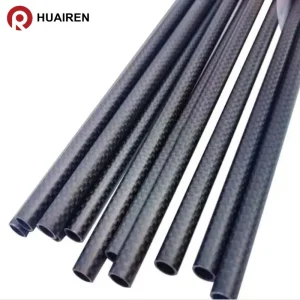
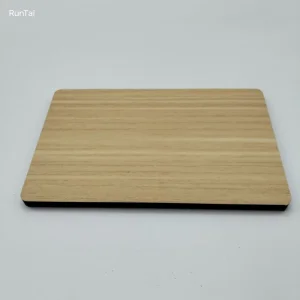
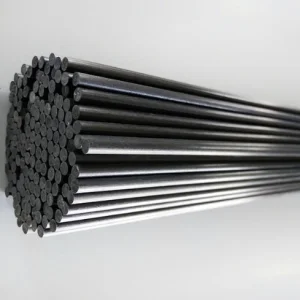
Solid rods, custom tubes, wall panels, and high-strength custom marine profiles manufactured to standard and custom specifications.
 RAXIS Fiber