For centuries, the musical instrument industry has been dominated by rare tonewoods like spruce, maple, and ebony. However, with environmental concerns and the inherent instability of wood under varying humidity, the industry is seeing a paradigm shift toward Carbon Fiber Composites.
As a premier OEM/ODM Carbon Fiber Musical Instrument Manufacturer, we understand that "Information Gain" in this sector comes from mastering the resonance properties of composite structures. Carbon fiber offers a strength-to-weight ratio that wood cannot match, allowing for thinner, more responsive soundboards in violins, cellos, and guitars.
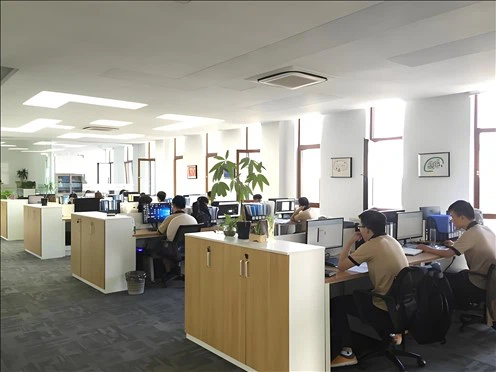
Our facility in Guangzhou leverages the world's most robust carbon fiber ecosystem, from raw PAN-based fiber procurement to precision CNC finishing, reducing lead times by 30%.
We provide rapid prototyping for custom instrument shapes. Our engineers use FEA (Finite Element Analysis) to simulate acoustic vibration before the first mold is even created.
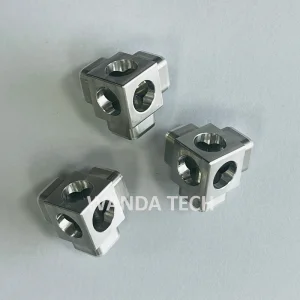
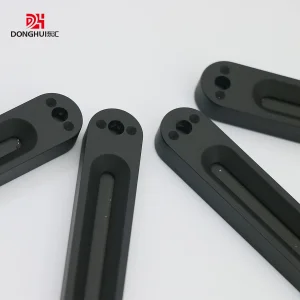
Utilizing high-precision CNC machining (as seen in our UAV and aerospace parts), we ensure every bridge, fretboard, and tailpiece is accurate to within 0.01mm.
With deep experience in international trade compliance (E-E-A-T principles), we handle complex logistics for global brands in North America, Europe, and Asia.
Modern musicians demand "Performance Instruments" that can survive the rigors of world tours. Our Macro Industry Solutions focus on three core pillars:
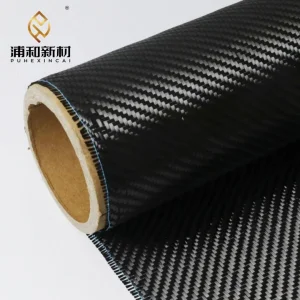
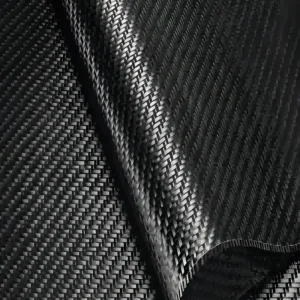
We don't just build shells; we engineer sound. By varying the fiber orientation (0°/90°/±45°) and selecting specific epoxy resins, we can "tune" the stiffness of a carbon fiber soundboard to mimic 50-year-aged Spruce or provide a modern, bright projection.
Combining carbon fiber with honeycomb cores or lightweight balsa wood allows us to create instruments that are incredibly light but retain the organic "warmth" that purists crave. This is a key differentiator in our OEM service offerings.
As the industry moves away from endangered woods (CITES regulations), our carbon fiber solutions provide a legal, ethical, and sustainable alternative for the next generation of orchestral instruments.
International instrument brands and distributors look for more than just a supplier; they look for a strategic partner who understands Search Intent Mining—the "why" behind the buyer's search. Our clients typically require:
Local applications range from High-End Carbon Fiber Violins for outdoor festivals to Carbon Fiber Cellos for tropical climate tours where wooden instruments would suffer "seam failure."
Guangzhou RAXis Fiber Co., Ltd. is a professional manufacturer specializing in carbon fiber sheets, tubes, and custom composite products, delivering lightweight and high-strength solutions for global industries. Based in Guangzhou, China, we integrate research, development, production, and sales to provide advanced carbon fiber materials tailored to diverse application needs.
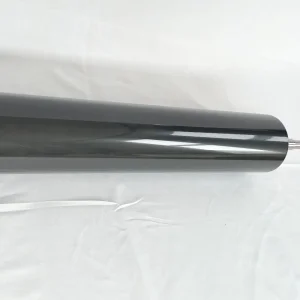
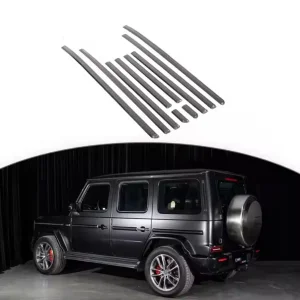
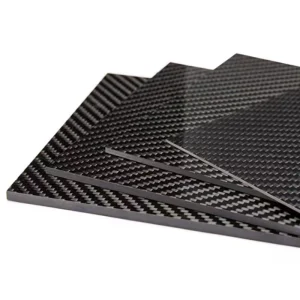
Our product portfolio includes carbon fiber sheets, tubes, plates, CNC-machined parts, and customized composite components widely used in aerospace, automotive, drones, sports equipment, and industrial structures. With a focus on precision engineering and material innovation, we ensure each product offers excellent strength-to-weight ratio, corrosion resistance, and long-term durability.
Equipped with modern production facilities and experienced technical teams, RAXis Fiber maintains strict quality control throughout the entire manufacturing process, from raw material selection to final inspection. We also provide flexible OEM and ODM services, supporting clients with custom designs, rapid prototyping, and scalable production.
Driven by continuous innovation and customer-oriented service, we are committed to delivering reliable products, competitive pricing, and efficient lead times. Guangzhou RAXis Fiber Co., Ltd. strives to be a trusted partner in providing lightweight composite solutions that enhance performance and efficiency across multiple industries worldwide.
 RAXIS Fiber