Premium carbon fiber materials engineered to structural-grade precision. Explore our primary manufacturing line below.
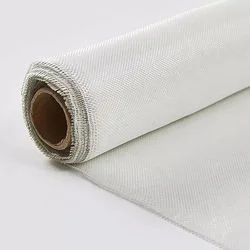
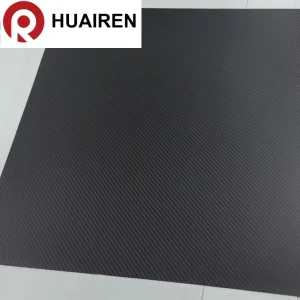
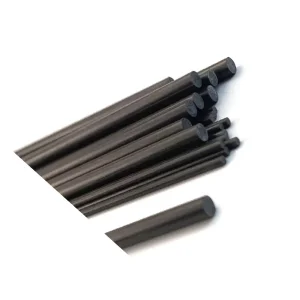
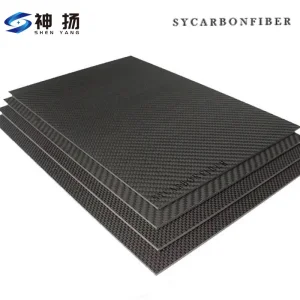
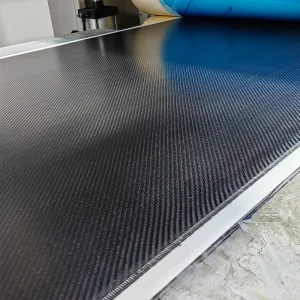

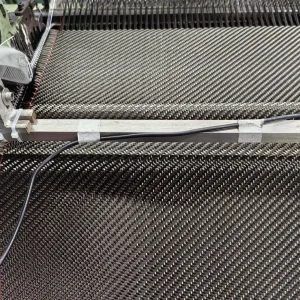
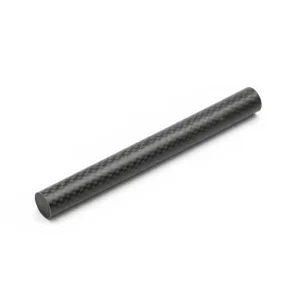
Guangzhou RAXis Fiber Co., Ltd. is a professional manufacturer specializing in carbon fiber sheets, tubes, and custom composite products, delivering lightweight and high-strength solutions for global industries. Based in Guangzhou, China, we integrate research, development, production, and sales to provide advanced carbon fiber materials tailored to diverse application needs.
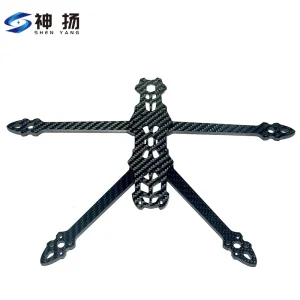
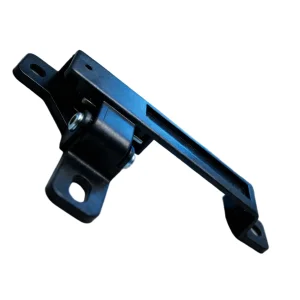
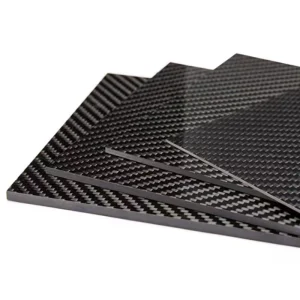
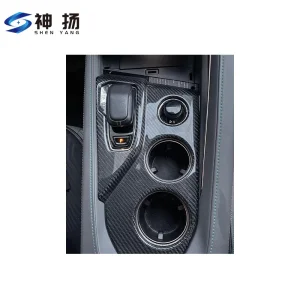
Our product portfolio includes carbon fiber sheets, tubes, plates, CNC-machined parts, and customized composite components widely used in aerospace, automotive, drones, sports equipment, and industrial structures. With a focus on precision engineering and material innovation, we ensure each product offers excellent strength-to-weight ratio, corrosion resistance, and long-term durability.
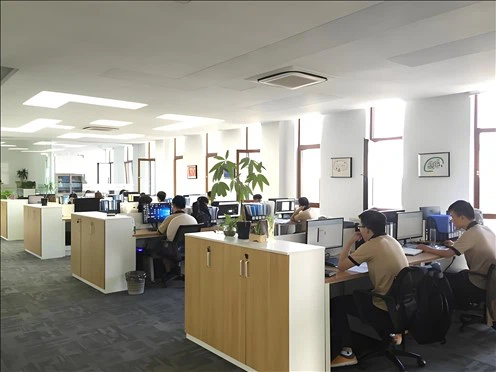
Equipped with modern production facilities and experienced technical teams, RAXis Fiber maintains strict quality control throughout the entire manufacturing process, from raw material selection to final inspection. We also provide flexible OEM and ODM services, supporting clients with custom designs, rapid prototyping, and scalable production.
The structural shift from heavy metallurgy to advanced Carbon Fiber Reinforced Polymer (CFRP) systems.
In high-hazard, high-precision industrial sectors such as offshore oil platforms, commercial aerospace hangars, precision electronics facilities, and infrastructure renovation, traditional scaffolding materials (carbon steel, galvanized steel, and aluminum) are increasingly hitting their physical and operational limitations. The global industry is actively shifting toward Carbon Fiber Reinforced Polymer (CFRP) scaffolding systems due to their outstanding performance profile.
According to recent industrial market research, safety regulations and labor shortages are driving the demand for materials that reduce worker fatigue and expedite assembly processes. Carbon fiber scaffolding weighs up to 70% less than structural steel and 30% less than high-strength aluminum, while offering equivalent or superior tensile yield strengths. This radical reduction in weight significantly mitigates musculoskeletal injuries among scaffolding erectors, lowering workers' compensation risks and structural logistics overhead.
Furthermore, the chemical inertness of carbon fiber composites makes them resistant to acid rains, high-saline marine environments, and chemical washdowns common in pharmaceutical cleanrooms. Traditional steel and aluminum oxidation leads to catastrophic structural degradation over time. CFRP scaffolding eliminates the risk of hidden rust-induced failures, providing an extended lifespan that justifies the upfront capital expenditure through dramatic operational cost reductions.
Delivers exceptional load-bearing capacities while requiring minimal structural mass, reducing handling effort and transportation costs.
Unaffected by moisture, salt spray, organic solvents, and acid gases, making it ideal for offshore and petrochemical installations.
Available with specialized resin formulations for electromagnetic shielding or electrical isolation in high-voltage utility environments.
Understanding the micro-structure and mechanical tolerances of RAXis Fiber composite products.
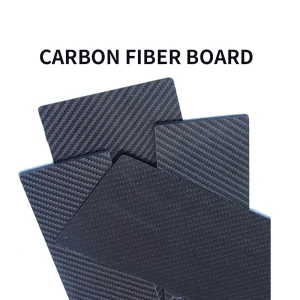
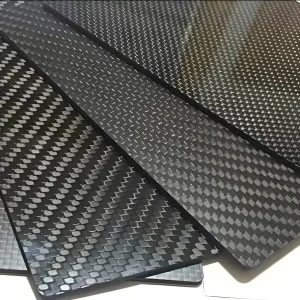
To achieve load-bearing properties capable of passing rigorous scaffolding safety regulations (such as EN 12811-1), RAXis Fiber utilizes high-modulus 3K twill or plain weave carbon fiber prepreg, combined with state-of-the-art curing technologies. We manage the fiber volume fraction (Vf) to exceed 60%, ensuring minimal void content and maximum mechanical properties.
By using precision autoclave curing and automated roll-wrapping processes for tubes, we eliminate axial deviations. This leads to tubes with incredible compressive strength and resistance to buckling. The structural elements of our custom carbon fiber scaffolding systems undergo extensive testing, including finite element analysis (FEA) modeling, structural loading, and thermal cycle testing.
| Material / Property | Tensile Strength (MPa) | Tensile Modulus (GPa) | Density (g/cm³) | Corrosion Risk |
|---|---|---|---|---|
| RAXis Carbon Fiber (CFRP) | 1500 - 2400 | 135 - 230 | 1.5 - 1.6 | Zero |
| Structural Steel (Q345) | 490 - 620 | 200 - 210 | 7.85 | High (requires galvanization) |
| Aluminum Alloy (6061-T6) | 310 | 68.9 | 2.70 | Moderate (pitting in marine environments) |
Guangzhou's supply chain optimization, advanced manufacturing, and global shipping efficiency.
China stands as the global hub for composite materials manufacturing, representing over 50% of the world's carbon fiber precursor processing capacity. Sourcing from a specialized manufacturer like Guangzhou RAXis Fiber Co., Ltd. allows international procurers to bypass intermediaries and leverage significant supply chain efficiencies.
Our production facility in Guangzhou benefits from direct access to premium-grade epoxy resins and high-tow carbon fiber roving. This vertical integration allows us to offer highly competitive wholesale pricing without sacrificing quality. Moreover, our location near major international ports (Guangzhou Port and Shenzhen Port) guarantees streamlined logistics, reduced sea freight lead times, and professional customs clearance handling.
In addition to raw material cost-efficiency, RAXis Fiber offers extensive OEM and ODM capabilities. Industrial scaffolding setups often require custom connectors, variable pipe thicknesses, and tailored dimensions to fit existing modular systems (such as Ringlock or Cuplock designs). Our internal engineering team can quickly produce CAD blueprints, build functional prototypes using CNC machining, and scale production to meet large-volume orders.
Our advanced CNC machining centers allow us to transition from design to physical samples within days, accelerating project deployment timelines.
We trace every batch of carbon fiber raw materials and enforce rigid inspections for fiber orientation, layer bonding, and load tolerances.
Located in the heart of the Pearl River Delta, we offer direct shipping lines to major ports across North America, Europe, Australia, and Asia.
Where structural carbon fiber composite materials solve complex industrial engineering challenges.
Challenge: Aircraft fuselages are highly sensitive to surface impacts and magnetic interference during maintenance operations.
Solution: Carbon fiber scaffold systems are non-marring, lightweight, and easy to adjust. They allow maintenance crews to erect stable platforms around sensitive aerospace hulls without the risk of heavy steel poles denting components.
Challenge: Saltwater environments cause severe oxidation of traditional steel structures within months, requiring expensive sandblasting and replacement.
Solution: CFRP scaffolding tubes resist salt-spray corrosion and chemical solvents, providing a reliable structure for offshore maintenance that lasts for years without rusting.
Challenge: Electrical conductivity in metal scaffolding poses life-threatening hazards to technicians working near live utility lines.
Solution: Engineered composite tubes with custom resin formulations provide electrical isolation, reducing arc-flash risks and ensuring safe maintenance zones.
The technological advancements shaping the next generation of industrial composites.
The next five years will see rapid integration of smart technologies and sustainable materials within the carbon fiber manufacturing sector. One major trend is the development of sensor-embedded carbon fiber tubes. By integrating fiber Bragg grating (FBG) sensors or piezo-resistive elements directly into the composite layers, scaffolding components will real-time monitor structural load, deflection, and stress concentration, alerting operators to safety hazards before a structural failure occurs.
Additionally, the industry is shifting toward bio-based epoxy resins and recycled carbon fiber (rCF) composites. This helps manufacturers meet global corporate sustainability targets without compromising tensile strength or structural reliability. RAXis Fiber is actively researching thermoplastic carbon fiber matrices, which allow for easier end-of-life recycling and thermal forming of custom joint fittings.
Finally, automated filament winding (AFW) and 3D composite weaving are replacing labor-intensive manual lay-ups. These technologies improve consistency, reduce resin-rich areas, and enable the mass production of variable-thickness tubes optimized for specific loading profiles.
Key considerations when selecting a Chinese wholesale carbon fiber supplier.
For B2B procurement managers, sourcing carbon fiber materials from China requires verifying strict safety compliance and manufacturing certifications. Below is a checklist for evaluating potential suppliers:
Answers to common technical and commercial queries regarding carbon fiber scaffolding.
Premium industrial composite materials and CNC machined parts designed to complete high-end structural assemblies.
 RAXIS Fiber