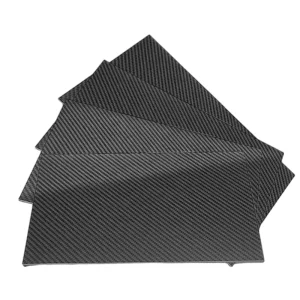
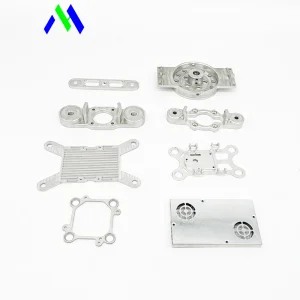
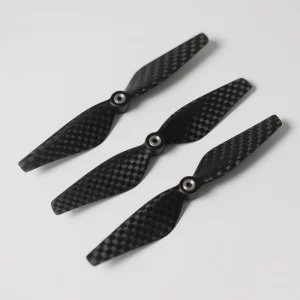
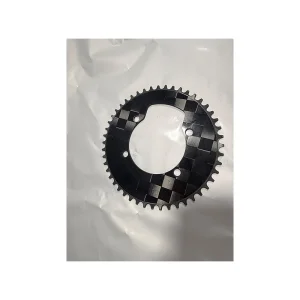
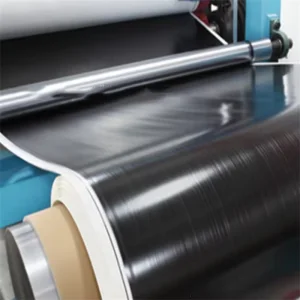
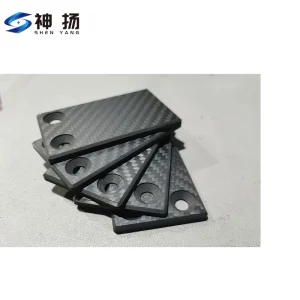
Guangzhou RAXis Fiber Co., Ltd. is a professional manufacturer specializing in carbon fiber sheets, tubes, and custom composite products, delivering lightweight and high-strength solutions for global industries. Based in Guangzhou, China, we integrate research, development, production, and sales to provide advanced carbon fiber materials tailored to diverse application needs.
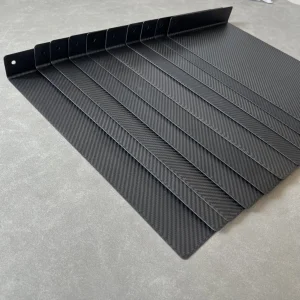
Our product portfolio includes carbon fiber sheets, tubes, plates, CNC-machined parts, and customized composite components widely used in aerospace, automotive, drones, sports equipment, and industrial structures. With a focus on precision engineering and material innovation, we ensure each product offers excellent strength-to-weight ratio, corrosion resistance, and long-term durability.
Equipped with modern production facilities and experienced technical teams, RAXis Fiber maintains strict quality control throughout the entire manufacturing process, from raw material selection to final inspection. We also provide flexible OEM and ODM services, supporting clients with custom designs, rapid prototyping, and scalable production.
Driven by continuous innovation and customer-oriented service, we are committed to delivering reliable products, competitive pricing, and efficient lead times. Guangzhou RAXis Fiber Co., Ltd. strives to be a trusted partner in providing lightweight composite solutions that enhance performance and efficiency across multiple industries worldwide.
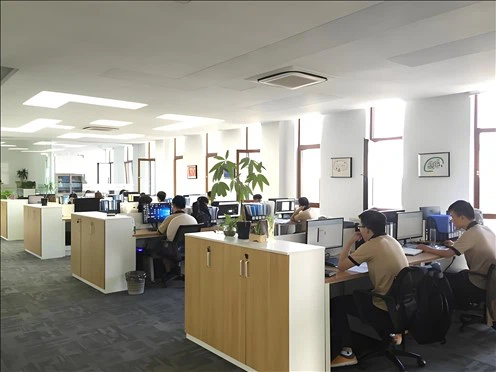
The global demand for high-strength, lightweight materials has driven structural engineering to transcend beyond traditional metals. Carbon Fiber Wire Reinforcement and pre-stressed composite cores represent the pinnacle of this revolution. These advanced materials leverage carbon fiber's extraordinary high-modulus and high-tensile qualities, offering structural enhancement solutions that outperform steel in corrosive, high-stress, and load-bearing environments.
Across North America, Europe, and the Asia-Pacific region, the structural integration of carbon fiber wires acts as tensioning members, cable reinforcement matrices, and specialized reinforcement fibers in civil infrastructure, deep-sea exploration cables, marine pipelines, and high-voltage transmission lines. Compared to conventional steel wire or structural rebar, carbon fiber wire reinforcement features a density that is 70% lower while providing a tensile capacity up to five times greater. This dramatically reduces dead-weight loads in major construction, wind turbine blade roots, and high-performance UAV sub-frames.
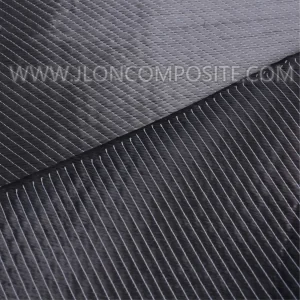
As the B2B supply chain shifts toward sustainability and decarbonization, engineering sectors are increasingly requesting OEM/ODM solutions to tailor wire diameters, weave types (including multiaxial layouts), resin compatibility matrices, and structural interfaces. Whether it is matching a specific epoxy prepreg resin fraction or designing multi-layer carbon fiber composite sheets for post-tensioned bridge decks, professional exporters must offer specialized material formulations to satisfy local building regulations and strict aviation standards.
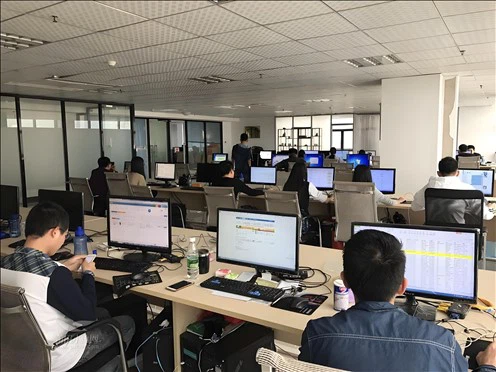
Guangzhou RAXis Fiber Co., Ltd. operates at the core of South China's highly integrated industrial ecosystem, capitalizing on unmatched raw material logistics, high-precision machining services, and experienced process engineers. Our facilities allow us to process orders rapidly while ensuring that quality matches or exceeds Western aerospace standards. This localized industrial cluster yields several distinct competitive advantages for our global B2B clients:
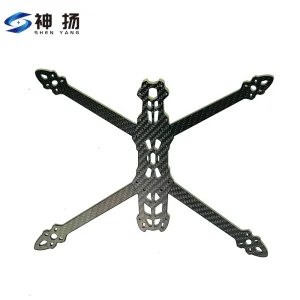
Utilizing high-strength lightweight carbon fiber frames (T300/T700 grades) and multiaxial fabrics for FPV drones, agricultural aircraft, and military-grade UAV chassis. Offers extreme torsion resistance, vibration damping, and impact mitigation.
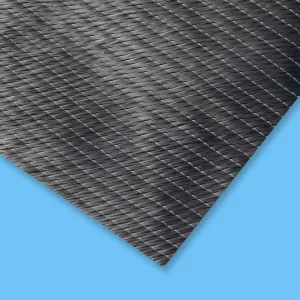
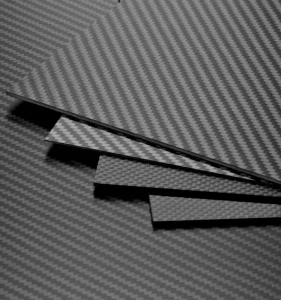
Incorporating multi-layer pressed carbon fiber plates and double-bias fabric (200GSM/400GSM) into concrete structures, seismic retrofits, and high-performance industrial machines to prolong service life and elevate safety coefficients.
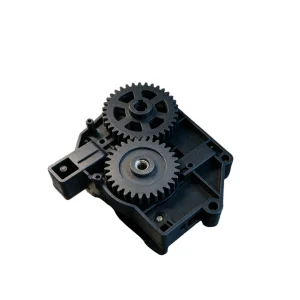
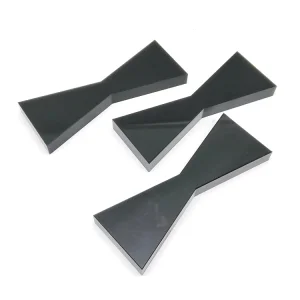
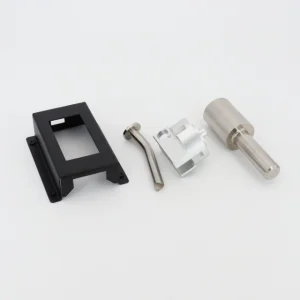
Custom CNC carbon fiber components combined with precision metal inserts (such as aluminum and brass) replace heavy steel and titanium brackets in racing vehicles, robotic arms, and high-speed automated packaging machinery.
The manufacturing technology behind carbon fiber reinforcement is transitioning from basic thermoset epoxy matrices to sophisticated thermoplastic polymers (such as PEEK, PEKK, and PPS). Thermoplastic carbon composite wires offer several key benefits: they can be shaped after curing, have superior fracture toughness, and can be recycled. This change satisfies the strict circular-economy regulations enforced across European and North American automotive and aerospace supply chains.
Additionally, modern structural designs require smart, real-time health monitoring systems. By weaving conductive micro-wires or fiber-optic sensors directly into the carbon fiber wire reinforcement bundle, manufacturers can create "sensing composites." These structures can self-diagnose micro-fractures, load shifts, and environmental degradation, giving structural engineers critical early warnings for bridge decks, high-speed rail systems, and aerospace structures.
Procuring advanced composite components internationally requires a thorough inspection of material quality, manufacturing tolerances, and quality verification standards. To safeguard your investment, RAXis Fiber recommends using the following criteria during the RFQ and production processes:
 RAXIS Fiber