The sports equipment industry has undergone a seismic shift, with carbon fiber racket frames emerging as the gold standard for performance. Today, the global market is not just about tennis; it spans across badminton, squash, and the explosive growth of Padel and Pickleball. Manufacturers are no longer just producing "frames"; they are engineering complex aero-structures that demand aerospace-grade carbon fiber materials.
As of 2024, the demand for high-modulus carbon fiber in the sports sector has increased by over 15% annually. Professional athletes and enthusiasts alike seek frames that offer a perfect balance of high torsional rigidity, lightweight handling, and vibration dampening—characteristics that only advanced carbon fiber composites can provide. This has led to a highly competitive landscape where top manufacturers are pushing the boundaries of material science.
Market share of carbon fiber in professional racket sports.
Annual global market value of carbon fiber sports composites.
Weight reduction compared to traditional alloy frames.
Incorporating graphene into the resin matrix significantly enhances the impact resistance and strength without adding weight. This is becoming a staple in "Premium" racket lines.
Advanced fiber orientations (0°/45°/90°) are being optimized through AI-driven design to maximize energy transfer during the swing, resulting in more powerful shots.
The industry is moving towards bio-based resins and "Thermoplastic" carbon fiber composites that allow for easier recycling of racket frames at the end of their lifecycle.
Continuous fiber 3D printing is used for rapid prototyping and creating internal support structures that were previously impossible with traditional molding.
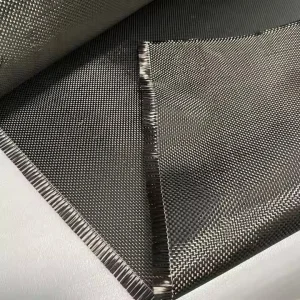
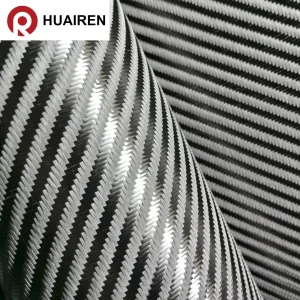
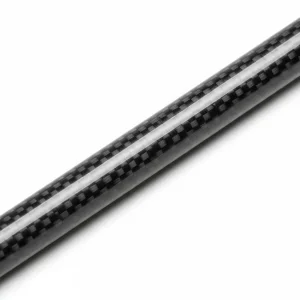
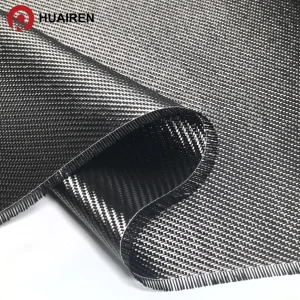
The shift towards unidirectional (UD) carbon fiber combined with 3K twill weaves has allowed manufacturers to tune the "flex" of the racket precisely. This localized tuning means a racket can be stiff in the handle for power but flexible in the head for better ball pocketing and control.
For international brands and industrial buyers, sourcing carbon fiber racket frames involves more than just finding a low price. The procurement cycle focuses on several critical KPIs:
Global enterprises are increasingly looking for partners who can offer one-stop solutions—from the initial 3D design and carbon fiber sheet production to the final CNC cutting and finishing. This is where Guangzhou RAXis Fiber Co., Ltd. excels.
As a leading Chinese manufacturer, we combine technical innovation with manufacturing scale to provide world-class composite materials.
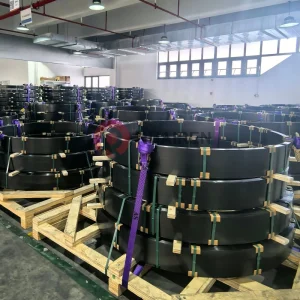
Guangzhou RAXis Fiber Co., Ltd. is a professional manufacturer specializing in carbon fiber sheets, tubes, and custom composite products, delivering lightweight and high-strength solutions for global industries. Based in Guangzhou, China, we integrate research, development, production, and sales to provide advanced carbon fiber materials tailored to diverse application needs.
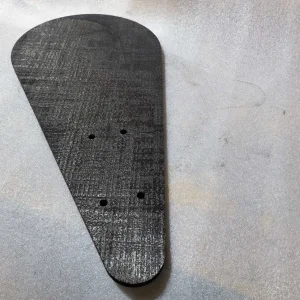
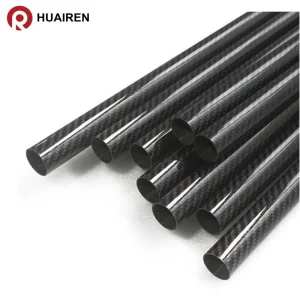
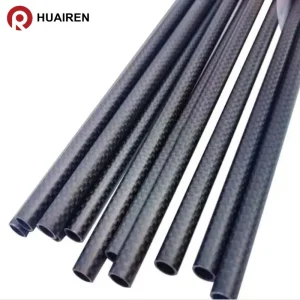
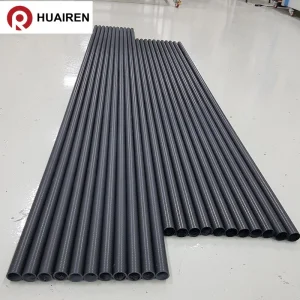
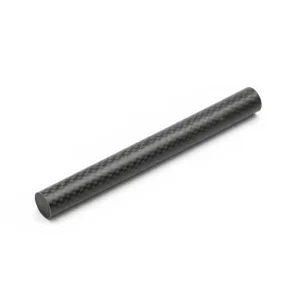
Our product portfolio includes carbon fiber sheets, tubes, plates, CNC-machined parts, and customized composite components widely used in aerospace, automotive, drones, sports equipment, and industrial structures. With a focus on precision engineering and material innovation, we ensure each product offers excellent strength-to-weight ratio, corrosion resistance, and long-term durability.
Carbon fiber is not a "one size fits all" material. Its application varies significantly across different sports and industrial contexts:
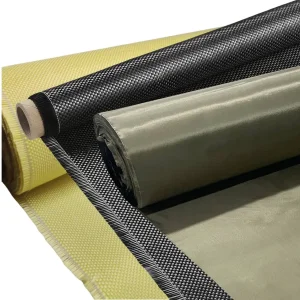
Utilizing 12K or 18K carbon fiber fabric for the face to provide the explosive rebound and durability required in high-intensity Padel matches.
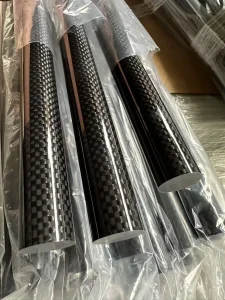
Employing high-modulus carbon fiber tubes to reach weights as low as 70g while maintaining a string tension capacity of over 30 lbs.
Using carbon fiber sheets as skins over honeycomb cores to provide a superior "feel" and consistency across the paddle face.
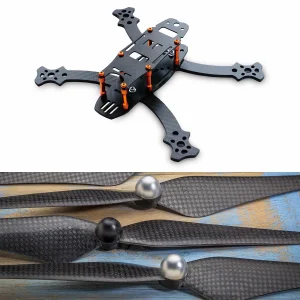
While often categorized as sports, the same techniques used in racket frames are applied to CNC-cut carbon fiber drone arms for maximum rigidity.
Guangzhou RAXis Fiber Co., Ltd. strives to be a trusted partner in providing lightweight composite solutions that enhance performance and efficiency across multiple industries worldwide. Whether it's a specialized tennis racket or a high-precision robotic arm, our carbon fiber materials deliver the reliability you need.
To understand why the Top 10 Carbon Fiber Racket Frames Manufacturers dominate the market, one must look at the complexity of the manufacturing process. It begins with the selection of the "Prepreg"—carbon fiber that has been pre-impregnated with a precise amount of epoxy resin. The way these layers are stacked, known as the "Layup Schedule," determines everything from the racket's balance to its "sweet spot" response.
Modern racket frames are typically made using Internal Pressure Molding. In this process, the prepreg is wrapped around an inflatable bladder and placed inside a high-precision steel mold. As the mold is heated, the bladder is inflated to several atmospheres of pressure, forcing the carbon fiber against the mold walls. This ensures a hollow, lightweight, and incredibly strong structure with no internal voids.
China has become the global epicenter for carbon fiber composite manufacturing for several reasons:
The evolution of carbon fiber racket frames continues to drive the sports industry forward. By choosing a manufacturer like Guangzhou RAXis Fiber Co., Ltd., you are not just buying a product; you are investing in a partnership that values precision, innovation, and global excellence. From aerospace-grade sheets to custom-shaped tubes, our materials are the foundation of tomorrow's championship-winning equipment.
 RAXIS Fiber