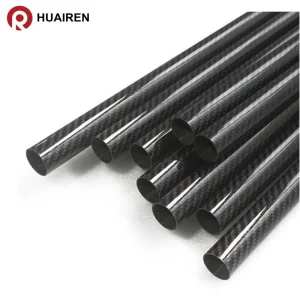
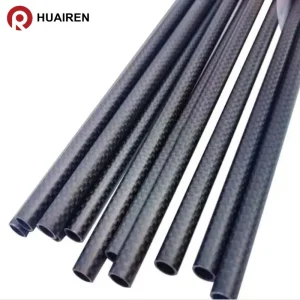
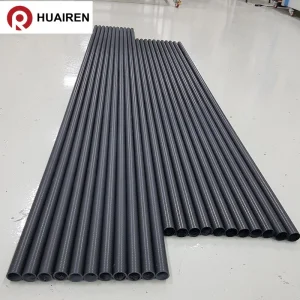
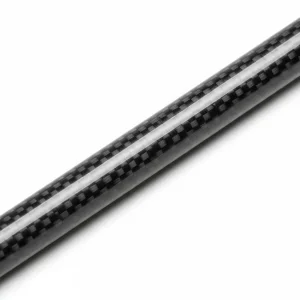
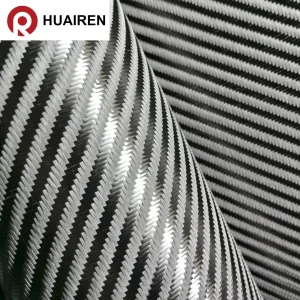
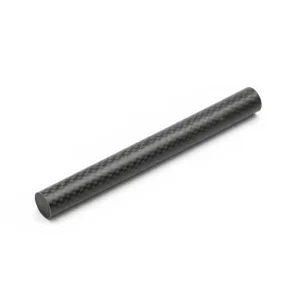
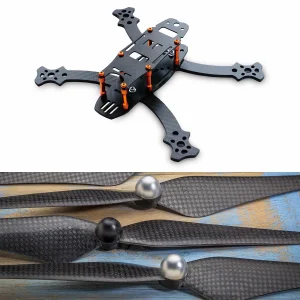
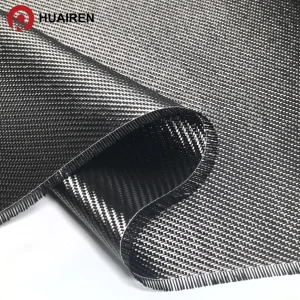
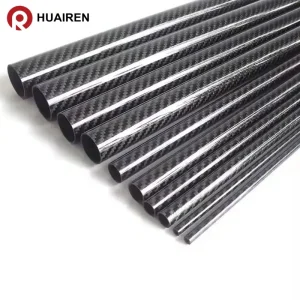
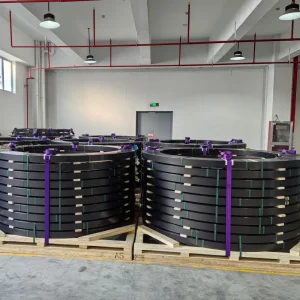
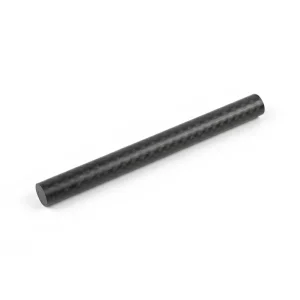
High-performance carbon fiber sheets, tubes, and rods engineered for the robotics industry.
The industrial robotics market is undergoing a seismic shift. As factories strive for higher throughput and greater energy efficiency, the limitations of traditional steel and aluminum robot arms have become apparent. Enter Carbon Fiber Reinforced Polymer (CFRP)—the miracle material that is redefining speed, payload capacity, and precision.
In the current global commercial landscape, carbon fiber robot arms are no longer a luxury for aerospace laboratories. They are now central to high-speed pick-and-place operations, automotive assembly lines, and delicate medical surgical systems. The fundamental advantage lies in the strength-to-weight ratio: carbon fiber is significantly lighter than metal but offers superior rigidity.
The next decade of robotics will be dominated by Cobots (Collaborative Robots). These robots interact directly with humans, necessitating a lightweight construction to ensure safety. A carbon fiber arm significantly reduces the kinetic energy during a collision, making the workspace safer for human operators. Furthermore, the trend toward modular robotics means that components must be easily swappable and lightweight for rapid reconfiguration.
We are seeing localized booms in specific sectors:
Leading global players shaping the future of lightweight automation.
1. FANUC Corporation (Japan): A titan in industrial robotics, FANUC integrates carbon fiber components into their high-speed Delta robots to achieve industry-leading acceleration rates.
2. ABB Robotics (Switzerland): Known for their IRB series, ABB has pioneered the use of CFRP in large-scale industrial arms to maintain rigidity over long reaches.
3. KUKA AG (Germany): KUKA utilizes carbon fiber in specialized applications requiring high precision and low inertia, particularly in the automotive Tier-1 supply chain.
4. Yaskawa Motoman (Japan): Their high-speed handling robots leverage the lightweight properties of carbon composites to maximize throughput in logistics centers.
5. Universal Robots (Denmark): As leaders in cobots, UR explores carbon fiber tubes to enhance the payload-to-weight ratio of their collaborative series.
6. Carbon Robotics (USA): A pioneer in utilizing advanced materials for agricultural automation, specifically focusing on lightweight arms for weeding and harvesting.
7. Teradyne / Energid (USA): Specializes in high-precision control software and hardware where carbon fiber arms provide the necessary stiffness for complex motion.
8. Kawasaki Heavy Industries (Japan): Kawasaki utilizes CFRP in the semiconductor and cleanroom robotics sectors to prevent metallic contamination.
9. Comau (Italy): Focuses on flexible manufacturing systems where carbon fiber structural parts reduce the wear and tear on robotic joints.
10. Guangzhou RAXis Fiber Co., Ltd. (China): A leading specialized manufacturer of the CFRP structural components (tubes, plates, CNC parts) that these global giants rely on for their custom robotic solutions.
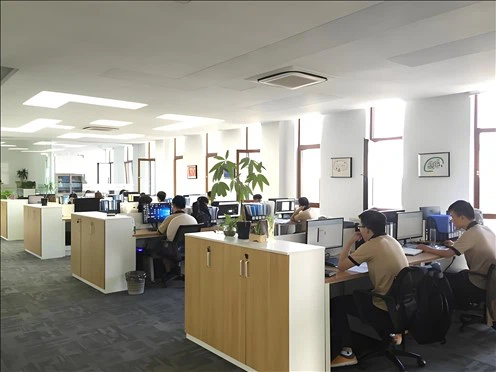
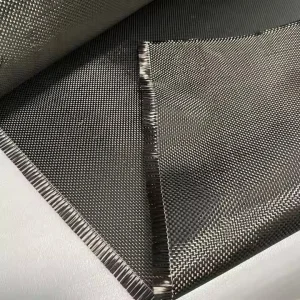
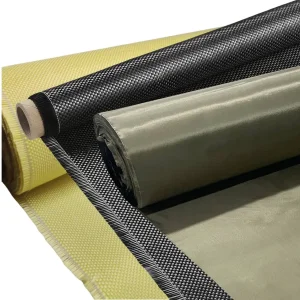
Guangzhou RAXis Fiber Co., Ltd. is a professional manufacturer specializing in carbon fiber sheets, tubes, and custom composite products, delivering lightweight and high-strength solutions for global industries. Based in Guangzhou, China, we integrate research, development, production, and sales to provide advanced carbon fiber materials tailored to diverse application needs.
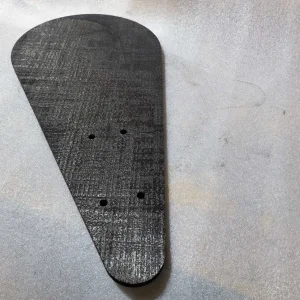
Our product portfolio includes carbon fiber sheets, tubes, plates, CNC-machined parts, and customized composite components widely used in aerospace, automotive, drones, sports equipment, and industrial structures. With a focus on precision engineering and material innovation, we ensure each product offers excellent strength-to-weight ratio, corrosion resistance, and long-term durability.
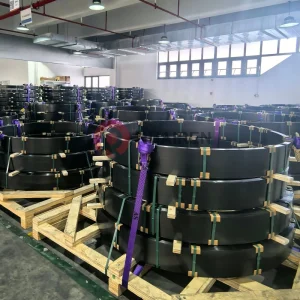
Equipped with modern production facilities and experienced technical teams, RAXis Fiber maintains strict quality control throughout the entire manufacturing process, from raw material selection to final inspection. We also provide flexible OEM and ODM services, supporting clients with custom designs, rapid prototyping, and scalable production.
Driven by continuous innovation and customer-oriented service, we are committed to delivering reliable products, competitive pricing, and efficient lead times. Guangzhou RAXis Fiber Co., Ltd. strives to be a trusted partner in providing lightweight composite solutions that enhance performance and efficiency across multiple industries worldwide.
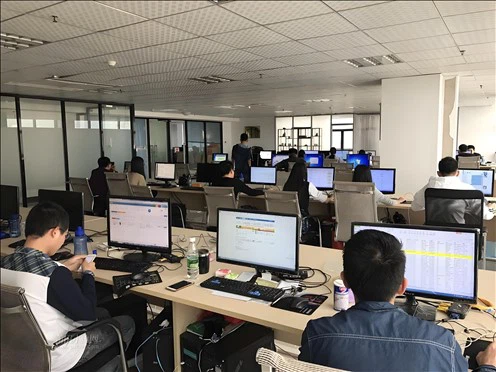
When international buyers source carbon fiber robot components, they prioritize three things: Dimensional Stability, Surface Finish, and Structural Integrity. At RAXis Fiber, we utilize advanced autoclave and vacuum infusion processes to ensure our tubes and sheets meet the stringent requirements of ISO-certified robot manufacturers worldwide.
Supporting the infrastructure of modern robotic systems.
 RAXIS Fiber