Explore our primary carbon fiber and CFRP composite products, widely specified for reinforcement and infrastructure upgrades in coastal and industrial areas including Malabo and Bata.
As Equatorial Guinea continues to modernize its oil and gas installations, shipping terminals, and civil infrastructure, the demand for advanced materials that resist extreme environmental degradation has peaked.
Equatorial Guinea's geographic profile—spanning Bioko Island (home to the capital Malabo) and the mainland region of Rio Muni (with the major economic hub of Bata)—subjects its infrastructure to a highly corrosive marine environment. The Gulf of Guinea has high relative humidity (often exceeding 80%) combined with high levels of atmospheric salinity. Traditional steel reinforcements and standard concrete structures suffer from accelerated degradation, carbonation, and rust expansion. This leads to premature structural failures in docks, petrochemical terminals, and offshore drilling assets.
Carbon Fiber Reinforced Polymer (CFRP) products have emerged as the premier engineering solution. Unlike steel, carbon fiber composite materials possess zero corrosion potential, ensuring that once a concrete beam or marine piling is wrapped in high-tensile carbon fabric, it is protected from salt-spray penetration indefinitely. This minimizes long-term operational maintenance costs for public works and multinational oil operators alike.
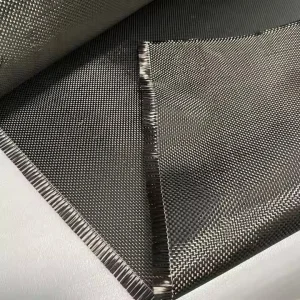
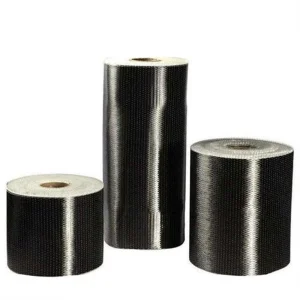
The core of Equatorial Guinea's economy relies on its petroleum and liquefied natural gas (LNG) infrastructure. High-pressure processing pipes, structural supports on offshore platforms in the Zafiro and Alba oil fields, and onshore storage depots require continuous rehabilitation. Unidirectional Carbon Fiber Fabrics, when combined with specialized structural epoxy matrices, provide pressure containment and load-bearing restoration without requiring hot work (welding), preventing downtime in hazardous environments.
Understanding the raw material value chain, quality benchmarks, and import logistics that shape supply to West Africa.
The performance of carbon fiber fabric relies entirely on its precursor material—primarily Polyacrylonitrile (PAN). Guangzhou RAXis Fiber Co., Ltd. utilizes grade-A PAN precursor filaments with tensile strengths exceeding 4000 MPa (such as T300, SYT45, and high-modulus variants). This ensures structural predictability under ultimate limit state conditions.
Every roll of carbon fiber fabric exported to West Africa undergoes strict batch testing, including tensile strength verification, aerial weight consistency checks (e.g., exactly 200GSM or 600GSM), and resin wetting capacity. These steps are critical for structural compliance under international codes (ACI 440.2R).
With direct access to Guangzhou's global maritime routes, we provide streamlined shipping solutions to the ports of Malabo and Bata. Our packaging utilizes climate-controlled barrier foils to protect fabrics from humidity during ocean transit, ensuring they arrive ready for lamination.
How regional infrastructure projects utilize RAXis Fiber's carbon fiber composites for long-term safety and performance.
The marine ports of Malabo and Bata handle heavy commercial container shipping. Constant wave action, seawater abrasion, and galvanic corrosion compromise steel reinforcement inside concrete piles. Wrapping piles with Unidirectional CFRP fabrics creates a non-porous oxygen barrier, preventing the ingress of chloride ions and structural concrete spalling.
Petrochemical processing plants on Bioko Island use high-density triaxial and biaxial carbon fiber fabrics for localized structural repairs of pressure vessels and gas transportation pipes. This cold-wrap repair method avoids plant shutdowns and prevents hazardous sparks in explosive areas.
As Equatorial Guinea connects inland cities via new road networks, existing bridges require structural upgrades to support heavier transport loads. Unidirectional carbon fiber fabric acts as external reinforcement, increasing the shear and flexural capacity of concrete bridge girders without adding dead weight.
Telecommunication infrastructure near coastal regions is subject to high winds and salt air. Standard metal lattice designs deteriorate quickly. Replacing or reinforcing joints with lightweight, high-stiffness carbon fiber tubes and custom composite plates ensures uninterrupted network services.
Urban buildings in Malabo and Bata can be reinforced against seismic and soil shifting hazards using CFRP fabrics. Applying high-performance carbon fiber sheets to load-bearing masonry walls increases shear strength and ductility, conforming to modern safety codes.
In humid tropical climates, composite installations require specialized resin formulations. RAXis Fiber provides carbon fiber kits matched with moisture-tolerant epoxy matrices that cure fully even under high atmospheric moisture conditions, ensuring structural bond strength.
The next decade will see a major shift in how composite materials are integrated into structural design, sustainability projects, and automated manufacturing systems.
Currently, thermoset epoxies dominate structural reinforcement applications. The future is moving toward thermoplastic matrices. Thermoplastics can be reheated, reshaped, and recycled at the end of their lifecycle. This shift will reduce curing times on-site from hours to minutes, offering structural repair processes for local contractors in Equatorial Guinea.
Integrating carbon nanotubes (CNTs) or graphene platelets into the resin matrix significantly improves interlaminar shear strength and electrical conductivity. This creates "smart structures" capable of self-monitoring stress levels and cracks through changes in electrical resistance, allowing for predictive maintenance of bridges and dams.
To reduce the environmental footprint of composite manufacturing, researchers are developing bio-based precursors (such as lignin-derived carbon fibers) to replace traditional petroleum-derived PAN. This will stabilize raw material costs and align carbon fiber integration with global green building standards.
We offer high-performance specifications tailored to international industrial standards. Find the product that fits your structural and engineering requirements.
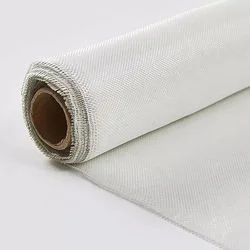
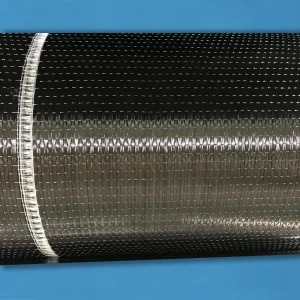
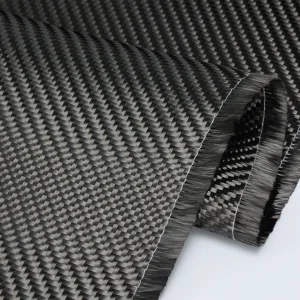
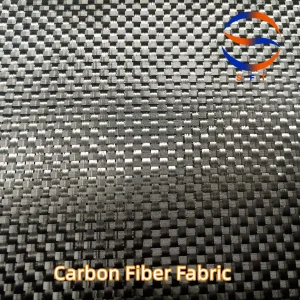
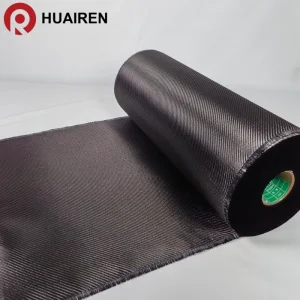
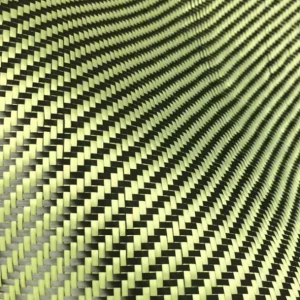
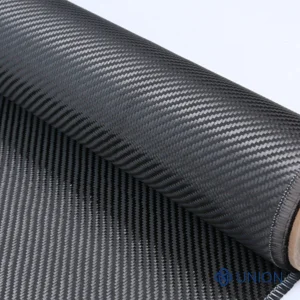
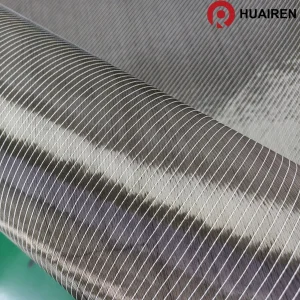
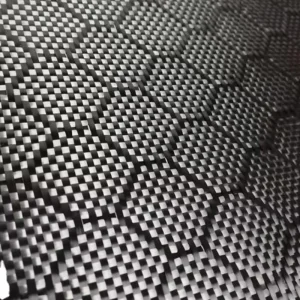
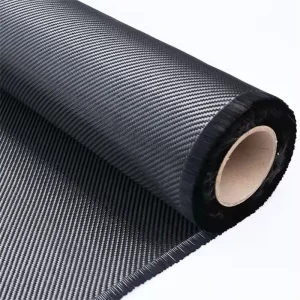
Technical guidance regarding Carbon Fiber reinforcement, specifications, and application methodologies under humid coastal climates.
Guangzhou RAXis Fiber Co., Ltd. is a professional manufacturer specializing in carbon fiber sheets, tubes, and custom composite products, delivering lightweight and high-strength solutions for global industries. Based in Guangzhou, China, we integrate research, development, production, and sales to provide advanced carbon fiber materials tailored to diverse application needs.
Our product portfolio includes carbon fiber sheets, tubes, plates, CNC-machined parts, and customized composite components widely used in aerospace, automotive, drones, sports equipment, and industrial structures. With a focus on precision engineering and material innovation, we ensure each product offers excellent strength-to-weight ratio, corrosion resistance, and long-term durability.
Equipped with modern production facilities and experienced technical teams, RAXis Fiber maintains strict quality control throughout the entire manufacturing process, from raw material selection to final inspection. We also provide flexible OEM and ODM services, supporting clients with custom designs, rapid prototyping, and scalable production.
Driven by continuous innovation and customer-oriented service, we are committed to delivering reliable products, competitive pricing, and efficient lead times. Guangzhou RAXis Fiber Co., Ltd. strives to be a trusted partner in providing lightweight composite solutions that enhance performance and efficiency across multiple industries worldwide.
Connect with Our Engineering Team RAXIS Fiber