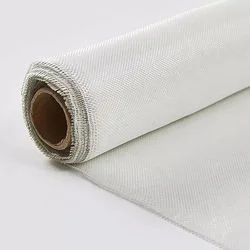
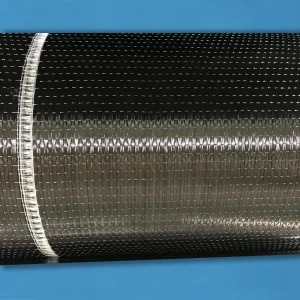
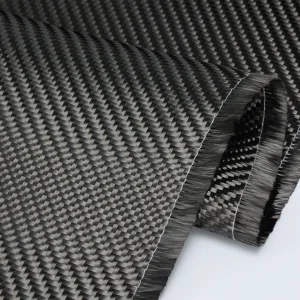
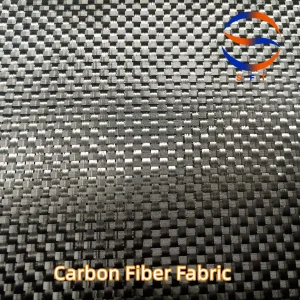
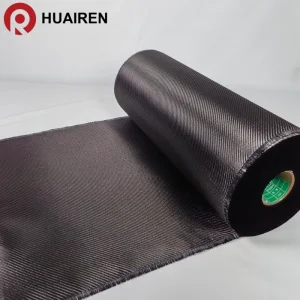
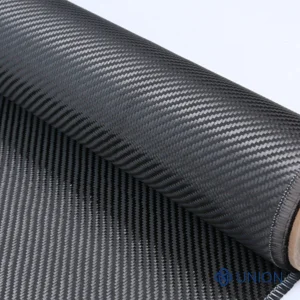
Engineered for high-strength reinforcement in civil engineering and automotive sectors.
As Uganda accelerates its Vision 2040, the demand for advanced materials like Carbon Fiber Fabric has shifted from a niche luxury to a structural necessity. In the heart of East Africa, the industrial landscape of Uganda is witnessing a significant pivot toward lightweight, high-tensile strength solutions for urban infrastructure development, bridge rehabilitation along the Nile, and the burgeoning automotive assembly sector in Namanve.
Uganda's construction industry is currently dominated by traditional reinforced concrete. However, the aging of vital infrastructure—including bridges and government buildings—has created a massive market for Carbon Fiber Reinforced Polymer (CFRP) systems. Local contractors in Kampala are increasingly adopting carbon fiber wraps to repair structural cracks and enhance load-bearing capacities without adding dead weight.
Moreover, with the Ugandan government's push for "Build Uganda Buy Uganda" (BUBU), local manufacturing of sports equipment, drone technology for agricultural surveying, and specialized automotive parts is growing. Each of these sectors requires high-performance carbon fiber fabric that meets international safety and durability standards.
The global carbon fiber market is projected to reach billions by 2030, driven by the Electric Vehicle (EV) revolution and renewable energy sectors. China stands at the epicenter of this growth. At Guangzhou RAXis Fiber Co., Ltd., we leverage the unparalleled logistics of the Pearl River Delta to deliver carbon fiber products to the Port of Mombasa or Dar es Salaam with unmatched efficiency.
Our factory efficiency is built on three pillars:
Kampala's high-rise boom requires strengthening solutions for seismic resilience and load upgrades for older masonry structures.
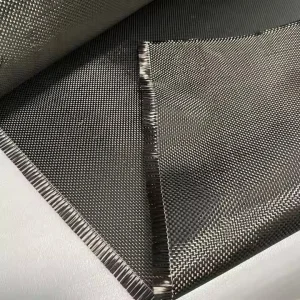
Uganda's modernization of agriculture uses drones for crop monitoring. Our 3K 200GSM fabric is the gold standard for lightweight drone frames.
Reinforcing penstocks and turbine housings in Uganda's many dams against cavitation and high-pressure wear.
Custom body parts for buses and specialized transport vehicles navigating the Kampala-Entebbe Express Way.
The trend is moving toward "Pre-preg" materials and "Biaxial" weaves that offer multi-directional strength. For the Ugandan procurement officer, understanding the difference between T300 (standard industrial) and T700 (high strength) filaments is key to optimizing costs without compromising safety. Global enterprises are now demanding "Green Composites," and RAXis is at the forefront, optimizing resin consumption to reduce the environmental footprint of carbon fiber applications.
Guangzhou RAXis Fiber Co., Ltd. is a professional manufacturer specializing in carbon fiber sheets, tubes, and custom composite products, delivering lightweight and high-strength solutions for global industries. Based in Guangzhou, China, we integrate research, development, production, and sales to provide advanced carbon fiber materials tailored to diverse application needs.
Our product portfolio includes carbon fiber sheets, tubes, plates, CNC-machined parts, and customized composite components widely used in aerospace, automotive, drones, sports equipment, and industrial structures. With a focus on precision engineering and material innovation, we ensure each product offers excellent strength-to-weight ratio, corrosion resistance, and long-term durability.
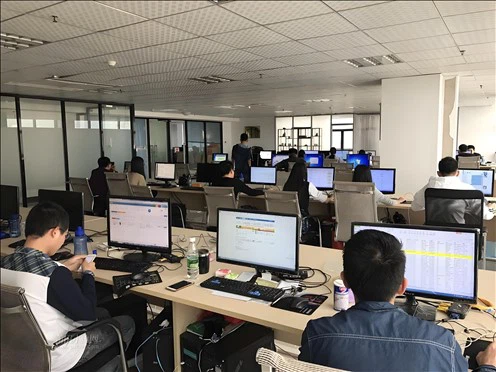
Equipped with modern production facilities and experienced technical teams, RAXis Fiber maintains strict quality control throughout the entire manufacturing process, from raw material selection to final inspection. We also provide flexible OEM and ODM services, supporting clients with custom designs, rapid prototyping, and scalable production.
Carbon fiber is 5 times stronger than steel but only 1/5th the weight. In Uganda's tropical climate, its absolute resistance to corrosion makes it a superior long-term investment for infrastructure near water bodies.
Production typically takes 7-10 days. Shipping from Guangzhou to Mombasa port takes 20-30 days, followed by inland transit to Uganda, totaling approximately 45 days for bulk orders.
Yes, we provide detailed technical data sheets (TDS) and material safety data sheets (MSDS), and can consult on the correct resin-to-fabric ratios for Ugandan environmental conditions.
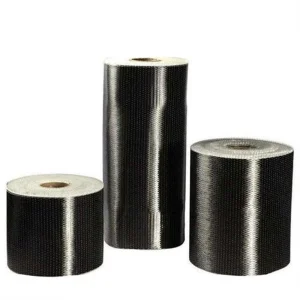
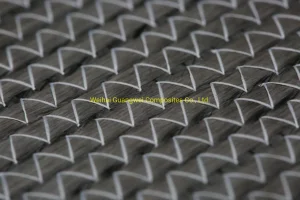
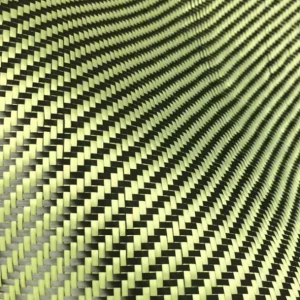
Absolutely. We offer plain, twill, satin, and unidirectional weaves, as well as hybrid fabrics (Kevlar/Carbon) for increased impact resistance.
Bulk supply options for industrial, automotive, and aerospace applications.
 RAXIS Fiber