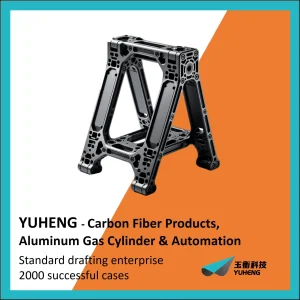
Engineered high-stiffness modules featuring specialized structural layouts configured for maritime exposure and mechanical longevity.
The Republic of Kiribati, comprising 32 atolls and one raised coral island dispersed across 3.5 million square kilometers of the central Pacific Ocean, presents one of the most logistically unique and environmentally challenging operating arenas globally. For micro-climates characterized by high humidity, constant exposure to aerosolized sea salt (sodium chloride), intensive ultraviolet (UV) radiation, and thermal fluctuation, traditional construction and mechanical metals such as steel, structural aluminum, and cast irons face accelerated chemical degradation. Standard marine steel undergoes severe oxidation, resulting in rapid pitting corrosion and structural failure, requiring ongoing, capital-intensive anti-corrosion painting and zinc-anode maintenance cycles.
In this challenging climate, carbon fiber reinforced polymers (CFRP) present a compelling engineering alternative. Due to their carbon-to-carbon backbone and advanced epoxy resin matrix structures, carbon fiber components exhibit complete chemical inertness to aqueous salt spray. With zero electrochemical corrosion risk, CFRP eliminates the potential for galvanic corrosion when interfacing with metal fittings, provided proper glass fiber isolation barrier layers are applied. For remote atolls such as Tarawa, Kiritimati (Christmas Island), and the outer Gilbert Islands, logistics and maintenance cost reduction are critical. Carbon fiber structures possess a specific density roughly one-quarter that of structural steel and 60% that of aluminum. This high strength-to-weight ratio simplifies freight transport by reducing cargo weight, lowers fuel consumption during shipping, and allows for manual installation on site without the need for heavy, diesel-fueled cranes, which are scarce across many remote Pacific locations.
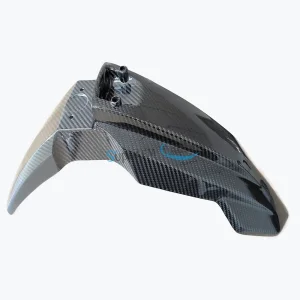
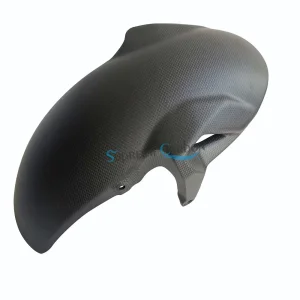
Customized composites engineered to absorb impact, reduce weight, and prevent mechanical fatigue under repetitive stress cycles.
Unifying Advanced Research, Precision Production, and Global Supply Chains.
Guangzhou RAXis Fiber Co., Ltd. is a professional manufacturer specializing in carbon fiber sheets, tubes, and custom composite products, delivering lightweight and high-strength solutions for global industries. Based in Guangzhou, China, we integrate research, development, production, and sales to provide advanced carbon fiber materials tailored to diverse application needs.
Our product portfolio includes carbon fiber sheets, tubes, plates, CNC-machined parts, and customized composite components widely used in aerospace, automotive, drones, sports equipment, and industrial structures. With a focus on precision engineering and material innovation, we ensure each product offers excellent strength-to-weight ratio, corrosion resistance, and long-term durability.
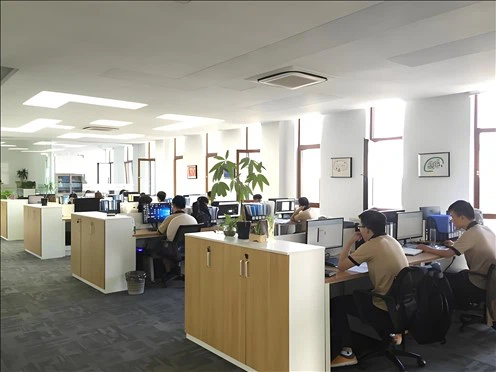
Equipped with modern production facilities and experienced technical teams, RAXis Fiber maintains strict quality control throughout the entire manufacturing process, from raw material selection to final inspection. We also provide flexible OEM and ODM services, supporting clients with custom designs, rapid prototyping, and scalable production.
Driven by continuous innovation and customer-oriented service, we are committed to delivering reliable products, competitive pricing, and efficient lead times. Guangzhou RAXis Fiber Co., Ltd. strives to be a trusted partner in providing lightweight composite solutions that enhance performance and efficiency across multiple industries worldwide.
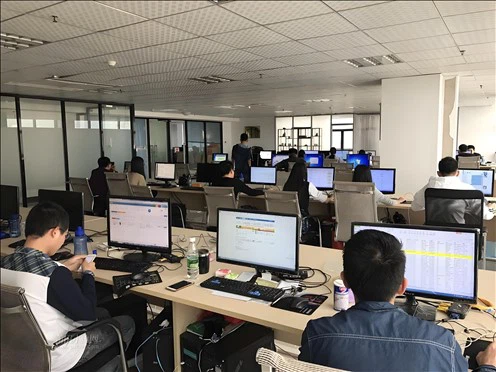
A rigorous understanding of carbon fiber engineering is crucial for identifying the appropriate structural configuration for demanding environments. Modern carbon fiber products rely on PAN (Polyacrylonitrile) precursor fibers. Through a series of thermal treatments, including stabilization (oxidation at 200–300°C) and carbonization (thermal cracking in an inert nitrogen atmosphere at 1000–2000°C), RAXis Fiber refines the carbon content to over 95%. This molecular alignment yields exceptionally high tensile modulus and strength.
For engineering applications, carbon fiber components are evaluated using key mechanical properties. Standard steel structures yield at approximately 250 MPa, whereas carbon fiber components routinely exceed 1200 to 2500 MPa. Below is a comparison detailing how high-grade carbon composites stack up against standard metallic structural materials when exposed to a tropical maritime climate:
| Mechanical Metric | T700 Carbon Fiber / Epoxy | Marine Aluminum (6061-T6) | Structural Steel (A36) |
|---|---|---|---|
| Density (g/cm³) | 1.55 – 1.60 | 2.70 | 7.85 |
| Tensile Strength (MPa) | 1800 – 2400 | 310 | 400 |
| Elastic Modulus (GPa) | 135 – 155 | 68.9 | 200 |
| Corrosion Resistance | Immune to rust/salts | Susceptible to pitting/oxidation | High rust risk; requires zinc plating |
| Thermal Expansion (10⁻⁶/K) | -0.5 to 1.2 | 23.6 | 12.0 |
Our carbon fiber components are engineered using three manufacturing methodologies, selected based on the requirements of the final application:
To resist the intense UV exposure characteristic of equatorial locations like Tarawa, RAXis Fiber incorporates specialized UV absorbers and hindered amine light stabilizers (HALS) into our epoxy formulations. This prevents photo-oxidation and yellowing, ensuring the long-term structural integrity of the polymer matrix.
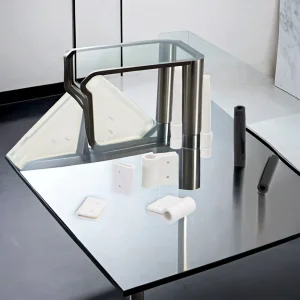
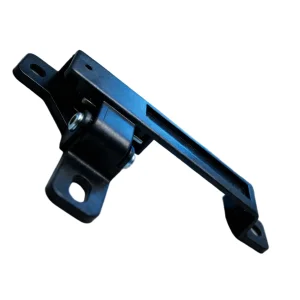
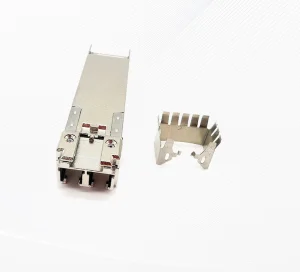
High-precision composite layouts and structural elements engineered to meet rigorous electrical, telecommunications, and assembly standards.
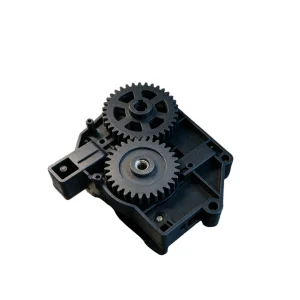
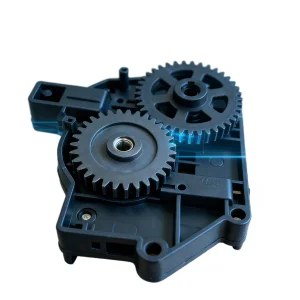
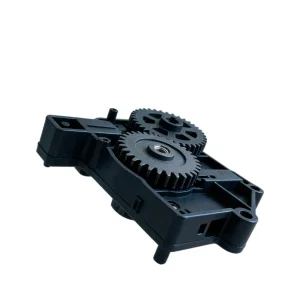
Purchasing engineered composites for delivery to Pacific ports requires detailed logistical planning. Our shipping frameworks are optimized to manage long sea-freight routes, ensuring that materials arrive undamaged by humidity and temperature shifts during transit.
RAXis Fiber operates a structured export division to coordinate shipping to Kiribati's primary international transport corridors, including the port of Betio in South Tarawa and Kiritimati. We offer various shipping options (FOB, CIF, and DDU) to align with your project requirements.
Because ocean freight to the Central Pacific typically involves transshipment points in Fiji, Australia, or New Zealand, components can face prolonged exposure to high-humidity marine air. To prevent moisture ingress, RAXis Fiber utilizes a multi-step packaging standard:
We work closely with clients to translate designs from concept to completed product:
Technical Clarifications Regarding Performance, Installation, and Logistics in Ocean Climates.
Get in touch with our engineering team today to request a quote, review material samples, or discuss custom composite designs for your project.
Send Inquiry Now RAXIS Fiber