RAXIS Fiber
1 / 5
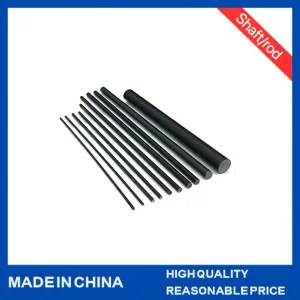
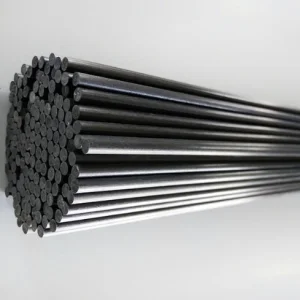
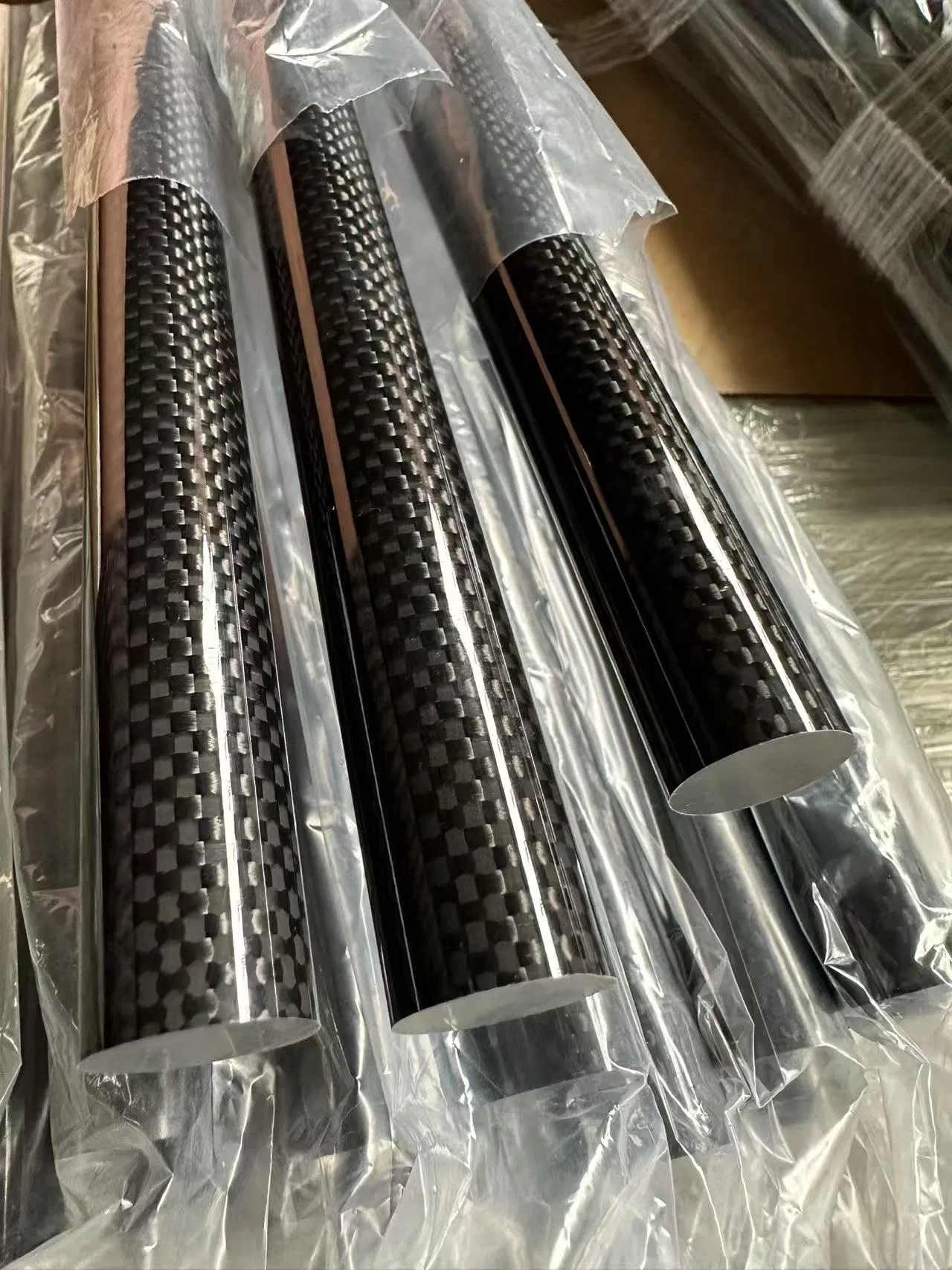
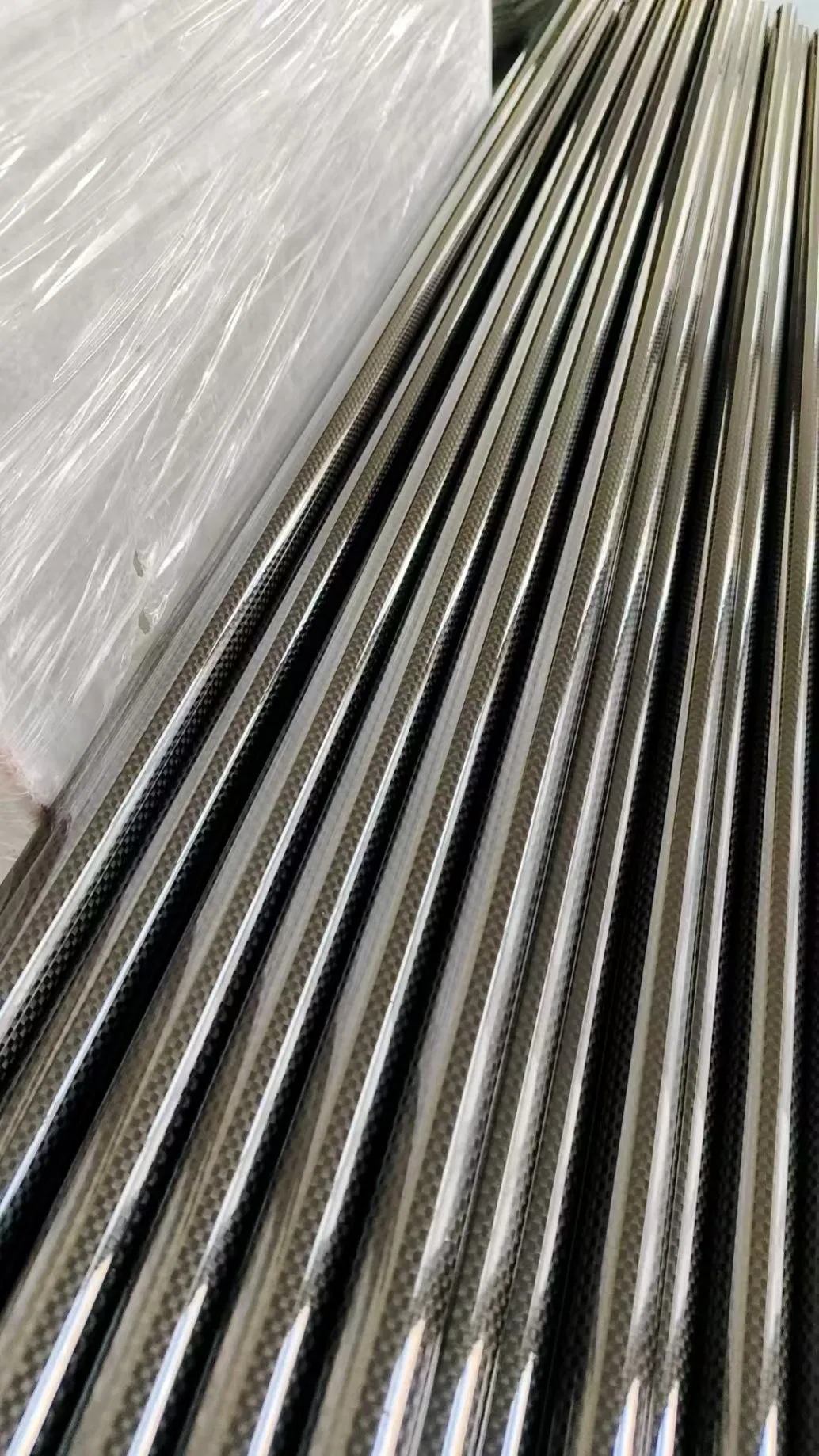
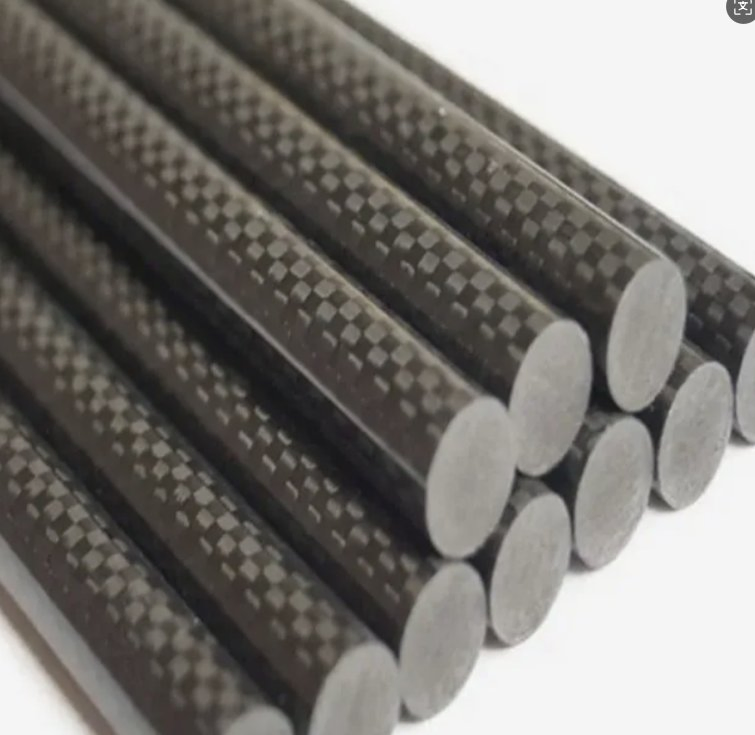
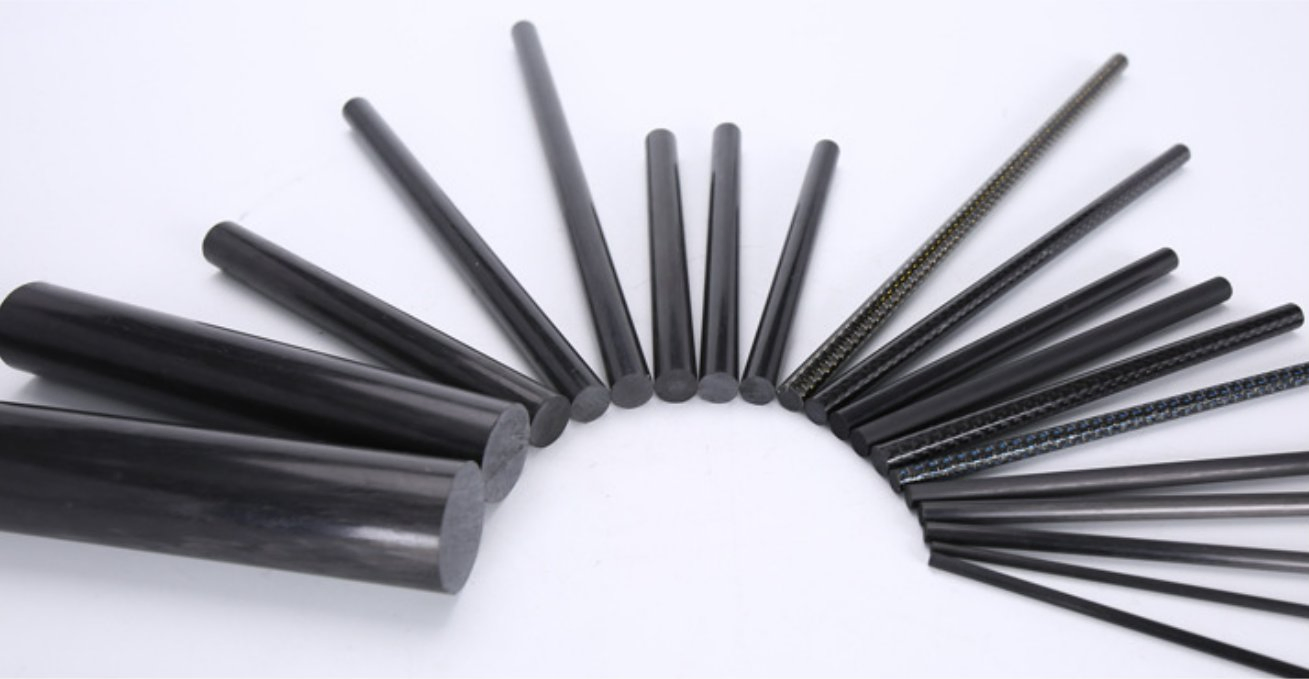
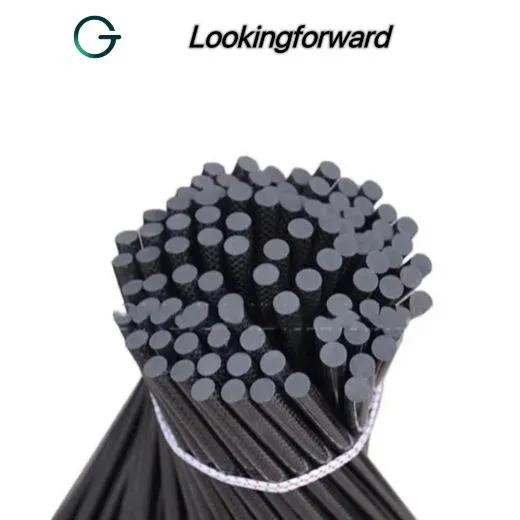
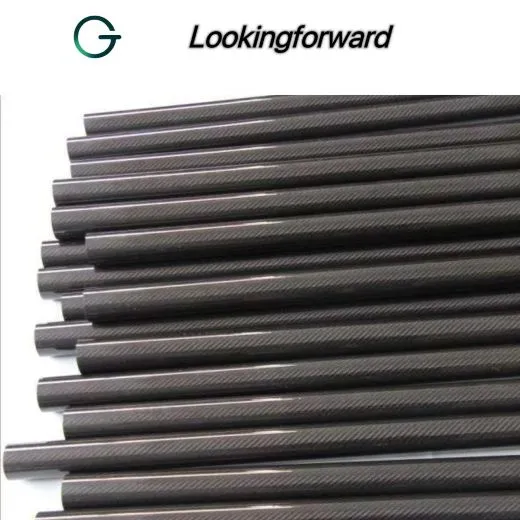
Carbon fiber rods are solid cylindrical structures made from carbon fiber reinforced polymer (CFRP) composites. Similar to carbon fiber tubes, they offer exceptional strength, stiffness and lightweight. However, unlike tubes, the rods do not have a hollow center and are used for different purposes.
The manufacturing process involves impregnating carbon fiber bundles with resin and then subjecting them to heat and pressure to cure the composite. The pultruded carbon fiber rods exhibit excellent mechanical properties and can be machined or cut to desired lengths, allowing for customization based on specific requirements.
Physical Properties
| Parameter | Details | Test Method / Note |
|---|---|---|
| Diameter | .472" & .625" +/- .005", .750"+/-.008" | Caliper |
| Straightness | .080" total indicator runout over 24" span | For reference |
| Color | Natural dark gray to black | Visual |
| Composite Type | 0° unidirectional orientation | Structural |
| Fiber Type | 33 to 35 MSI standard modulus | Carbon Fiber |
| Fiber Volume | .472" & .625" 60%, .750" 55% | +/-5% |
Mechanical Properties
| Property | Value (Imperial / Metric) |
|---|---|
| Tensile Strength | 250 ksi / 1.72 GPa |
| Tensile Modulus | 20.0 msi / 138 GPa |
| Flexural Strength | 265 ksi / 1.83 GPa |
| Flexural Modulus | 19.0 msi / 131 GPa |
| Density | .054 lbs/in3 / 1.5g /cm3 |
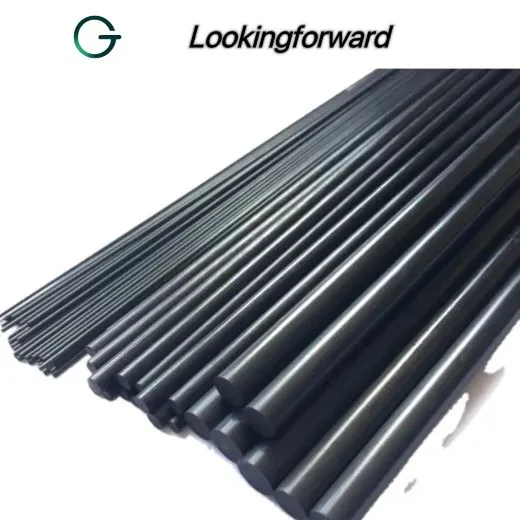
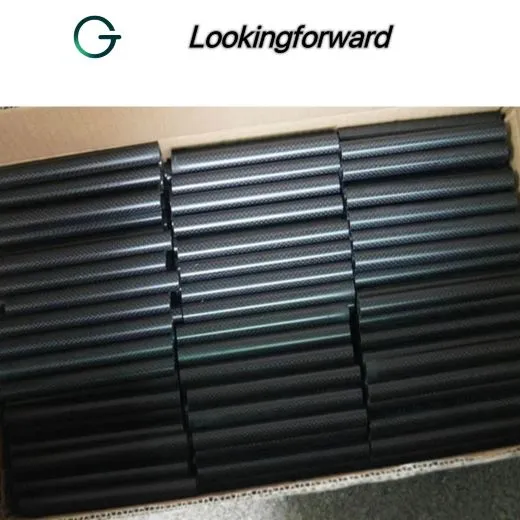
Carbon fiber rods are an excellent choice for lightweight frame constructions, aerospace spars, UAV components, and structural supports. They perform particularly well in bending and axial tension or compression applications.
Manufacturing Process:
Produced via Pultrusion: Continuous carbon fibers are pulled through heated forming dies while saturated with epoxy resin. This ensures constant cross-sections and high fiber density.
Cutting Note: The best way to cut carbon fiber rod is with a high-speed rotary tool and a diamond cutoff wheel. Taping the cut area beforehand helps prevent splintering.
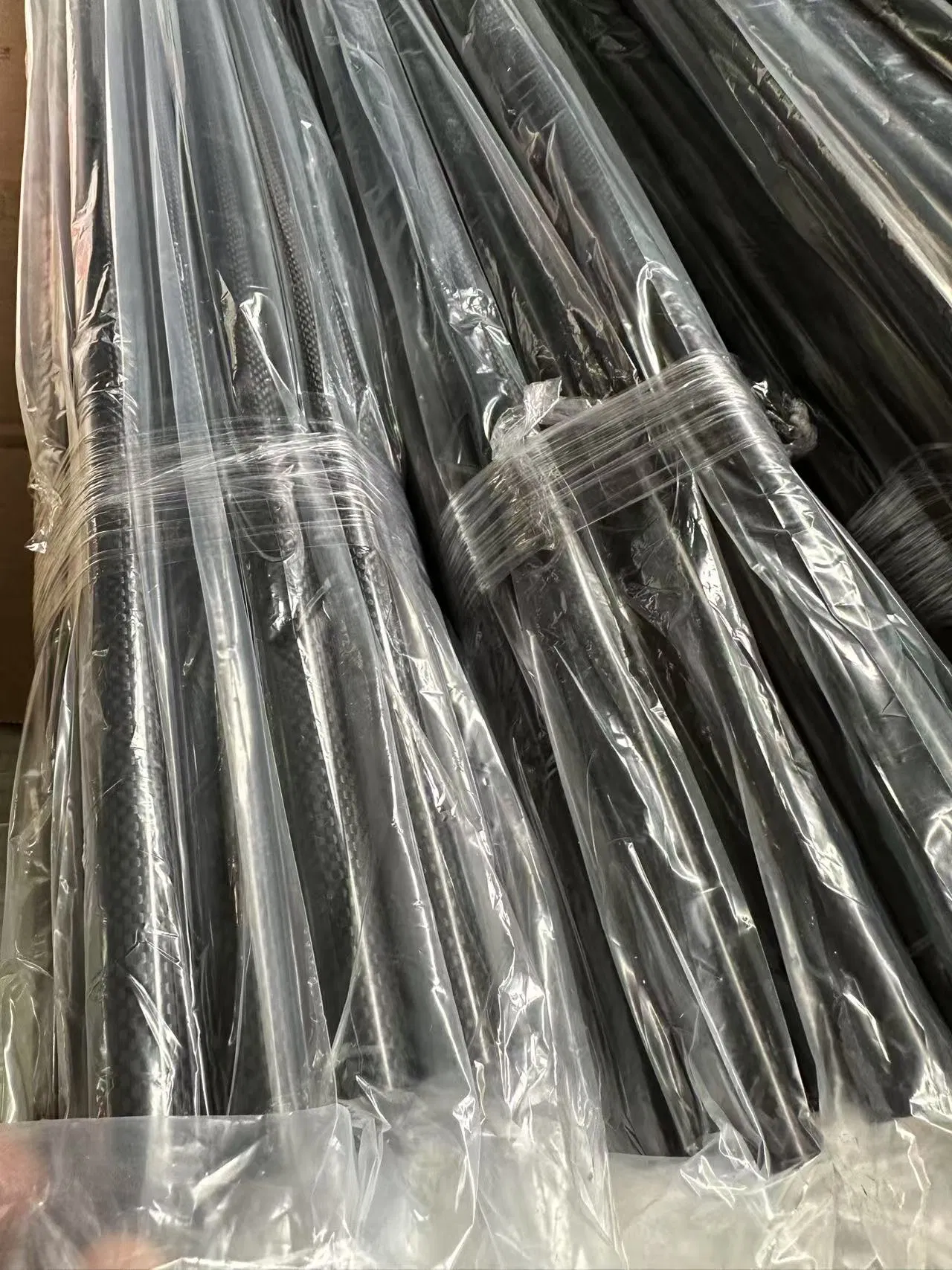
Shipping: This product is not classed as dangerous goods and can be shipped to all destinations without restriction. No package size surcharges apply.